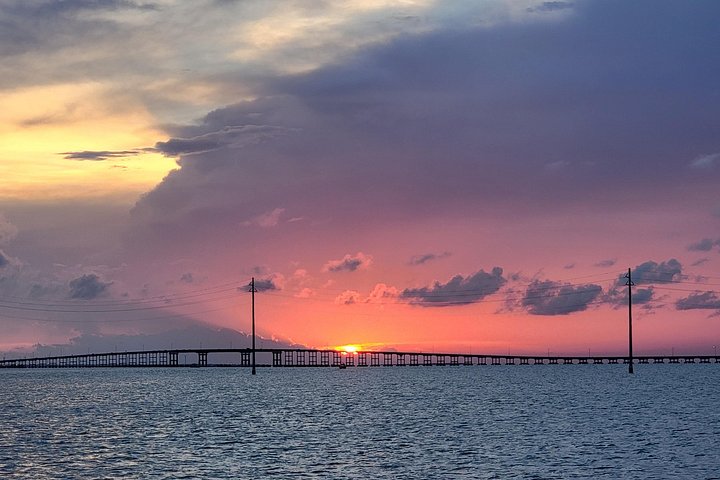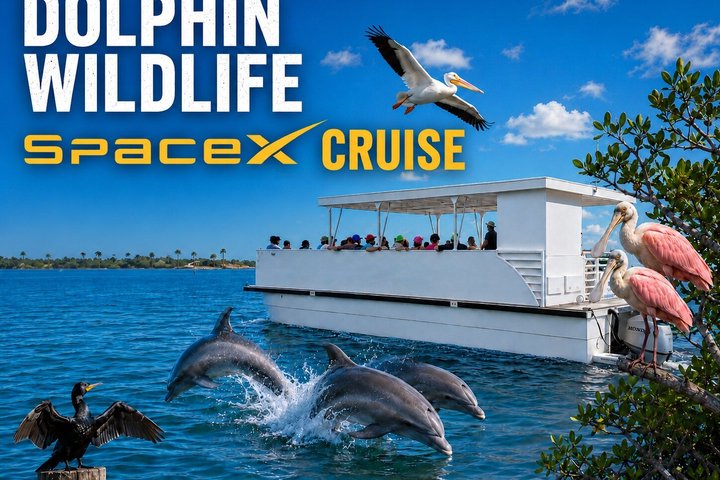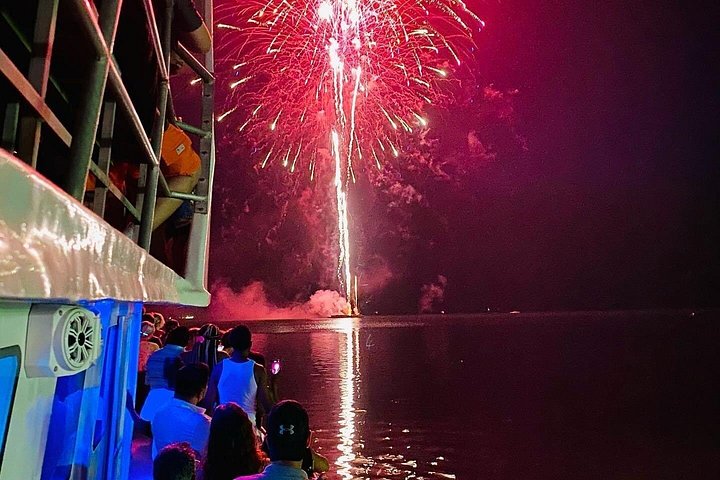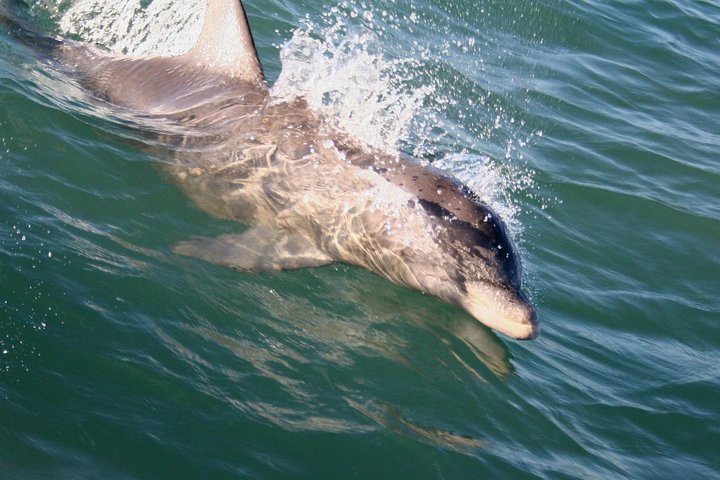
The eco tour is the thoughtful cousin of the sunset dolphin cruise. It covers the same shallow lagoon and the same resident bottlenose dolphins, but the emphasis shifts toward the ecosystem that supports them. In the early afternoon, the light is bright and the water is clear enough to see the seagrass beds that shelter juvenile fish and crabs, the food chain that dolphins and wading birds depend on. Your guide narrates the lagoon's role as one of the few hypersaline lagoons in the world, explains why dredged channels, spoil islands, and mangrove edges matter, and points out the birds that use them. Expect brown pelicans, roseate spoonbills in season, reddish egrets with their wild dancing hunt, and terns working over bait schools. On a typical departure, the boat motors out of the harbor, pauses at an island or a channel edge, and then follows the dolphins when they show. Some tours may include a short net sampling or a chance to look at what lives on the bay bottom, depending on the operator and season, so ask when you book. The format works well for curious kids and for adults who like to learn something besides the view.
Why choose this over the sunset cruise? If the goal is wildlife photography, a midday or early-afternoon departure gives better light on the animals and the birds, and a lower chance of rushing against dusk. The eco angle also suits school-age children, because the explanations about food webs, tides, and seagrass give them something concrete to look for. Teenagers who might groan at a floating sightseeing trip are often more engaged by a guide who talks about dolphin behavior, such as how pods herd mullet against mudflats or how mothers teach calves to forage.
The Laguna Madre itself is worth understanding. It stretches for more than a hundred miles along the Texas coast and into Mexico, protected from the Gulf by the barrier island you are standing on. Because of limited freshwater input and high evaporation, its salinity can run higher than the open sea, which is part of why its seagrass meadows and birdlife are so distinctive.
A good guide will tie the dolphins to that story: remove the grass and the fish, and the dolphins have nothing to hunt. Several migratory bird routes also funnel through the Rio Grande Valley, so spring and fall departures can show unusual species.
Practical details
Wear sun protection, bring water, and plan on a boat with limited shade. The ride is smooth in typical conditions, though wind can make the bay choppy in winter and spring. Check the departure time against your day: an afternoon eco tour pairs well with a morning at the Birding and Nature Center, and it leaves the evening free for dinner. Operators offer several time slots, including early-bird departures, which are good for cooler summer days. Book ahead during spring break, summer weekends, and winter Texan season.
Think of the eco tour as a field trip with a view. If you travel with children who keep notebooks or phone photo collections, give them a simple checklist before boarding: a pelican, a heron, a tern, a dolphin fin, a crab, a channel marker. Turning the cruise into a game keeps younger travelers engaged during the quieter stretches between sightings, and it gives older ones a reason to ask the guide questions.
Adults who enjoy photography should bring a zoom lens and shoot in burst mode when the animals surface, since dolphins rarely hold still. Afterward, a visit to the Birding and Nature Center ties the lessons together on land.
What to expect
The experience
A guided boat tour of the Laguna Madre with dolphin watching plus commentary on seagrass, tides, and bird life.
Best time
Early afternoon for bright light and clear water; morning departures are cooler in summer.
How long
Roughly an hour and a half.
Tips
Bring binoculars, water, a hat, and sunscreen. Ask whether the departure includes a hands-on sampling stop.
Quick picks
- Best for
- Curious families and wildlife photographers who want context with the dolphins.
- Families
- School-age children enjoy the hands-on explanations of what lives in the bay.
- Couples
- Quieter and more informative than the sunset cruise; pair it with a late lunch.
- Pair with
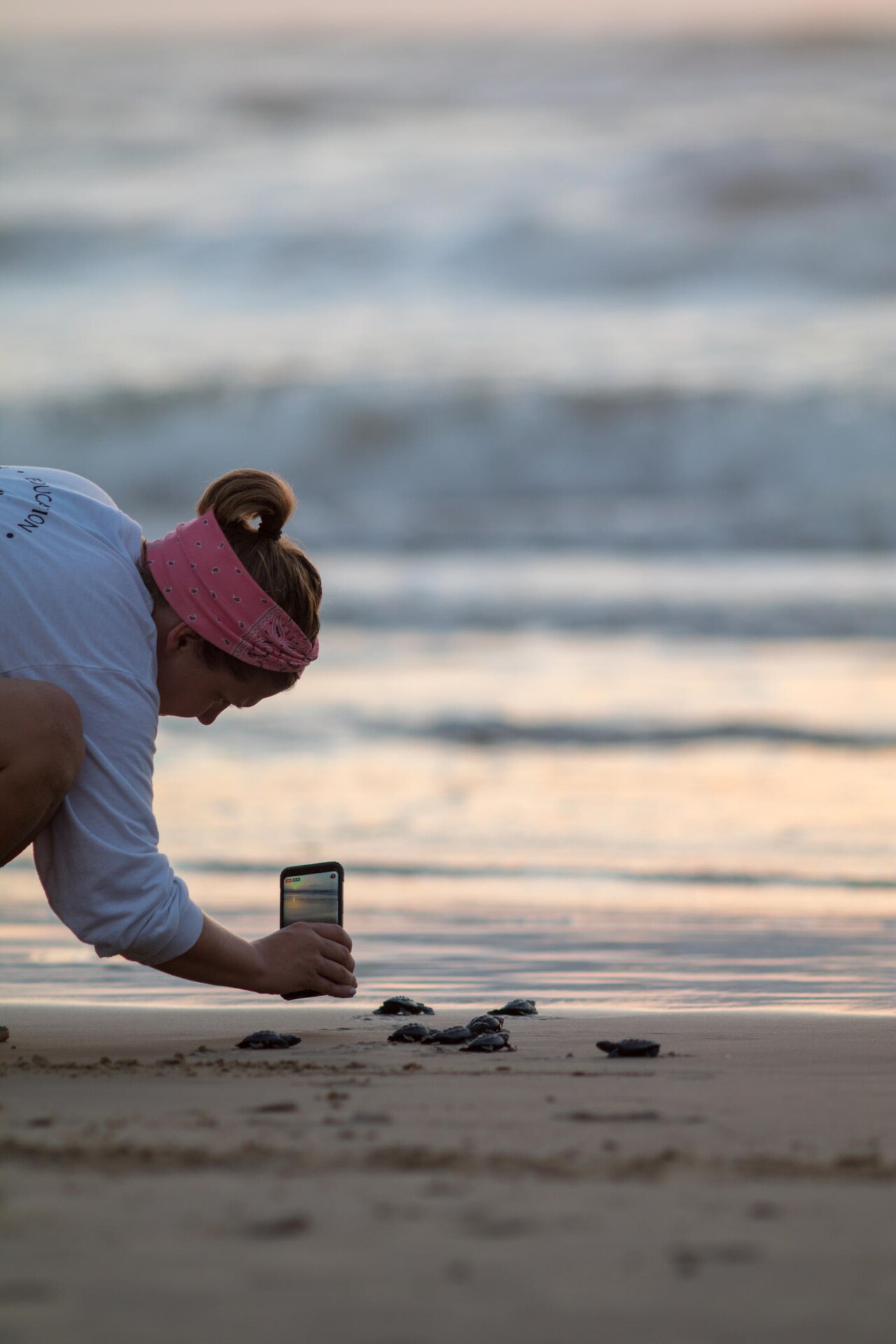
- The Birding and Nature Center and Sea Turtle, Inc. make a full wildlife day.
- Time needed
- Allow two hours including check-in.
Good questions
How is the eco tour different from the dolphin watch cruise?+
Both run on the Laguna Madre and look for dolphins, but the eco tour adds commentary on the lagoon ecosystem, seagrass, and bird life, and usually departs in daylight rather than at sunset.
What wildlife can I expect besides dolphins?+
Brown pelicans, terns, herons, egrets, and in season roseate spoonbills and migrating shorebirds. Sea life such as crabs and small fish may be shown depending on the tour.
Is it good for kids?+
Yes, especially school-age children who like to learn. The calm water and short ride are manageable for most ages.
Do I need binoculars?+
They help for birds but are not essential; dolphins often surface close to the boat.
When is the best season?+
Dolphins are present year-round. Spring and fall add migrating birds, summer is hottest, and winter can be breezy and cool.