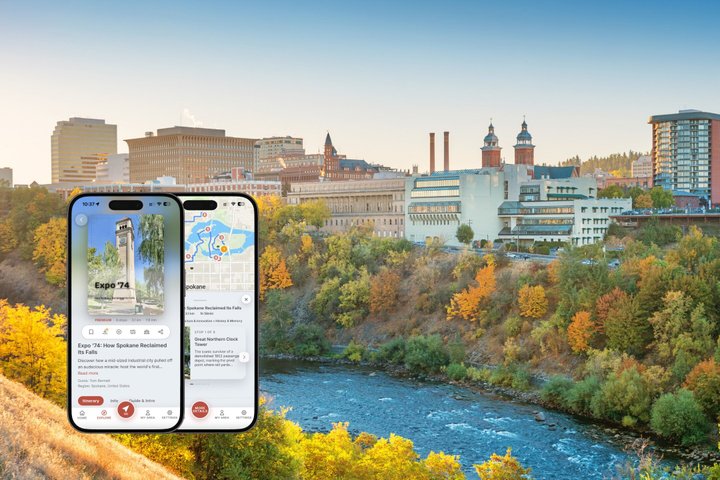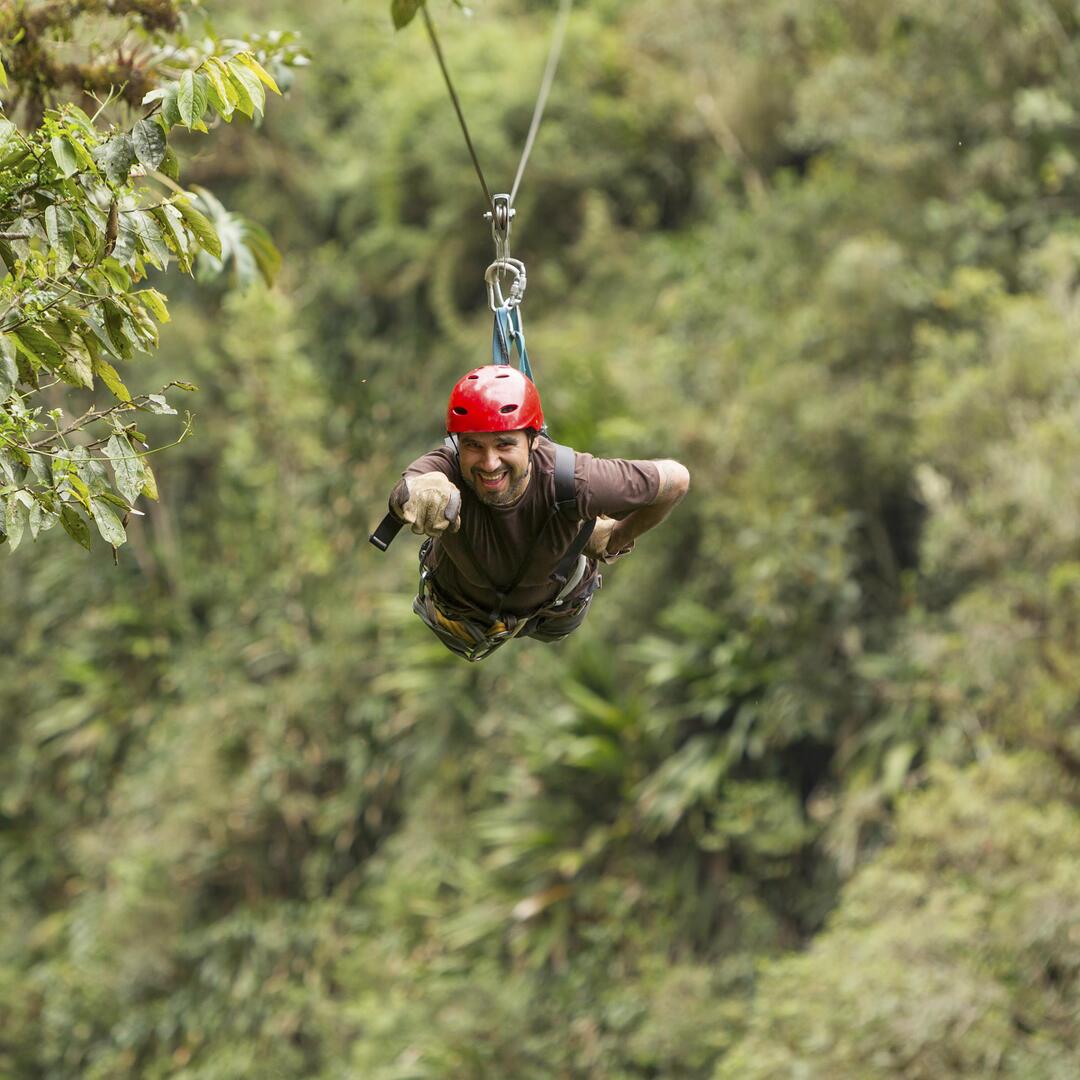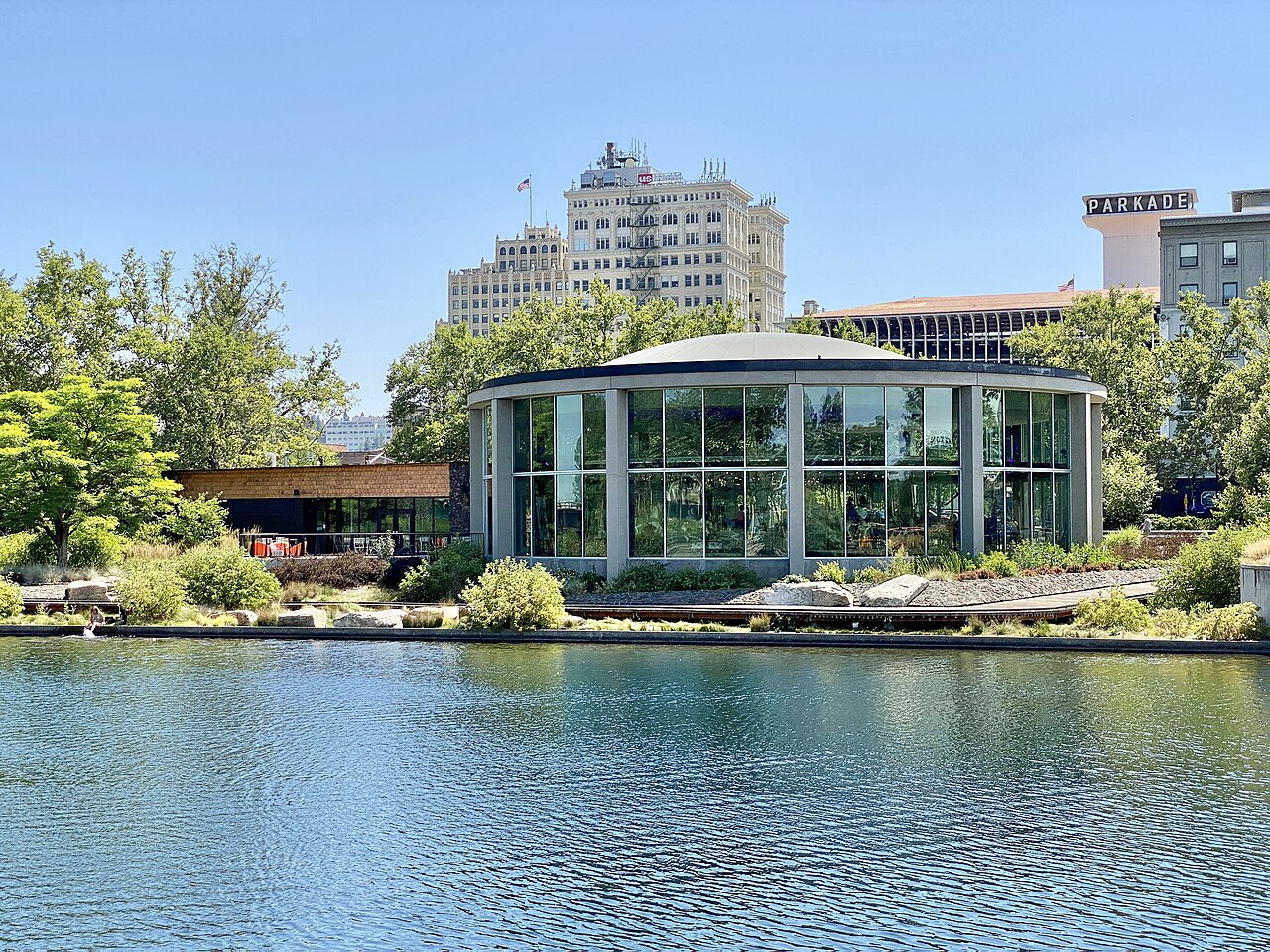
Few American cities can say they have a major waterfall within a short walk of the main street, but Spokane can. The Spokane River squeezes through a rocky basalt channel in the middle of downtown and drops in a series of cascades known as the Upper Falls and the Lower Falls. The falls are the reason the city exists: native peoples gathered here for salmon for generations, and later settlers harnessed the same drop for sawmills, flour mills and hydroelectric power. Today the falls are the visual centerpiece of Riverfront Park, and several viewpoints and footbridges make them easy to see up close without a car. The classic way to experience them is on foot. The Monroe Street Bridge gives a sweeping view of the Lower Falls from above, while the footbridges inside Riverfront Park cross the river nearer the roar. The Upper Falls sit right next to the Looff Carrousel and the Pavilion, close enough that the sound follows you across the lawn. On the gondola you glide out above the gorge and look straight down on the white water, which is the most dramatic angle of all and a favorite for photographs. The flow changes dramatically with the seasons. In spring and early summer, snowmelt makes the falls thunder; by late summer and fall the river gentles and you can see more of the rock walls.
The falls make a better visit if you understand a little of their story. The river was once a salmon gathering place for the Spokane people, and the dams that arrived with the city later changed the fish runs. The surviving falls have been preserved as a public amenity, and the walk through the gorge area includes interpretive signs about the people who lived here, the milling era and the redevelopment for Expo 74.
Look for the old power station structures and the foundations of mills along the edges, which tell the industrial half of the story.
Plan your timing around the light and the flow. Morning and late afternoon give the best photographs, since mid-day sun can flatten the spray. In high water, keep a hand on a rail, because the mist makes the bridges slick and the sound can be startling for small children. The area is safe and well traveled, but stay behind the barriers; the current is far stronger than it looks.
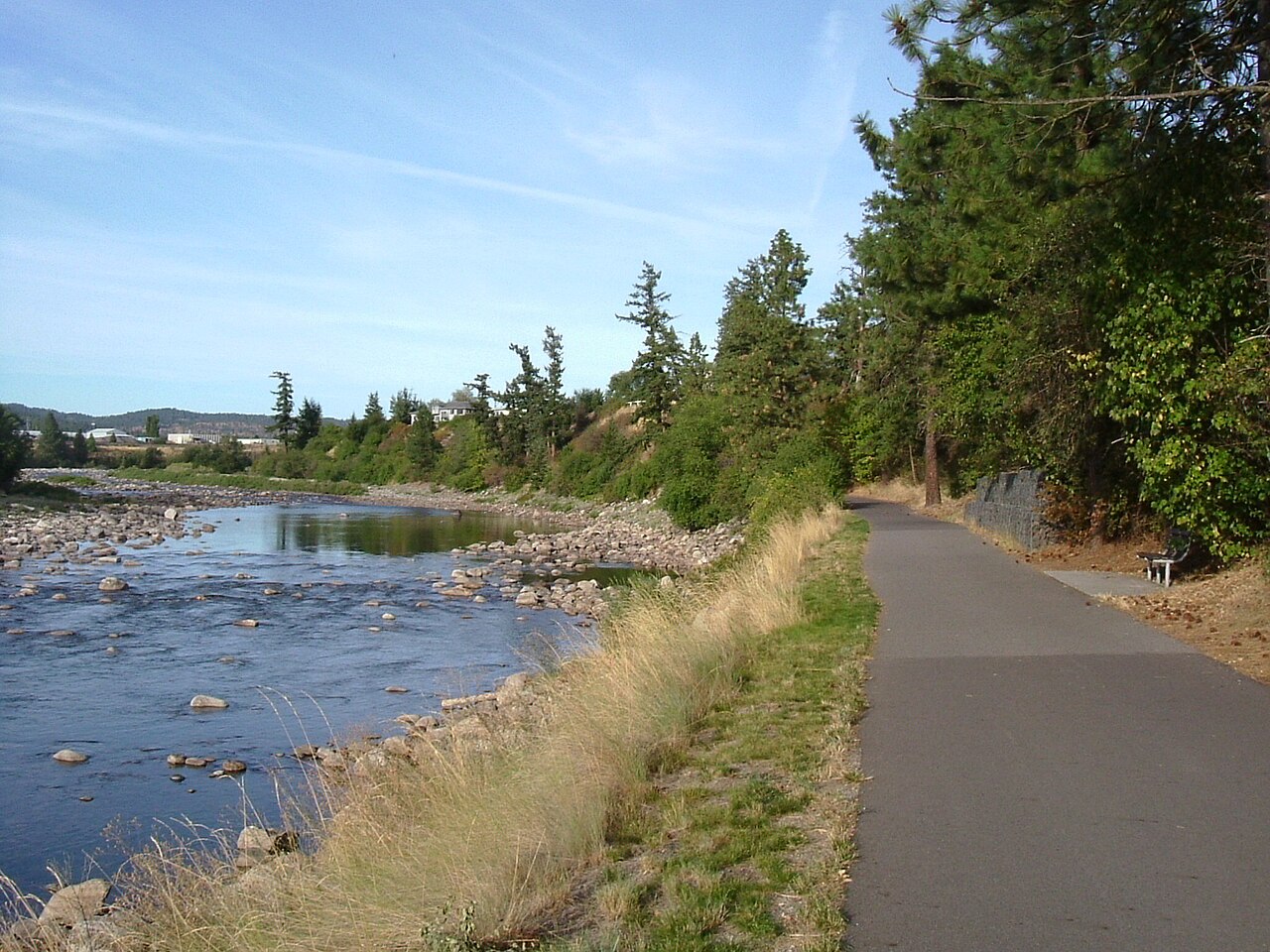
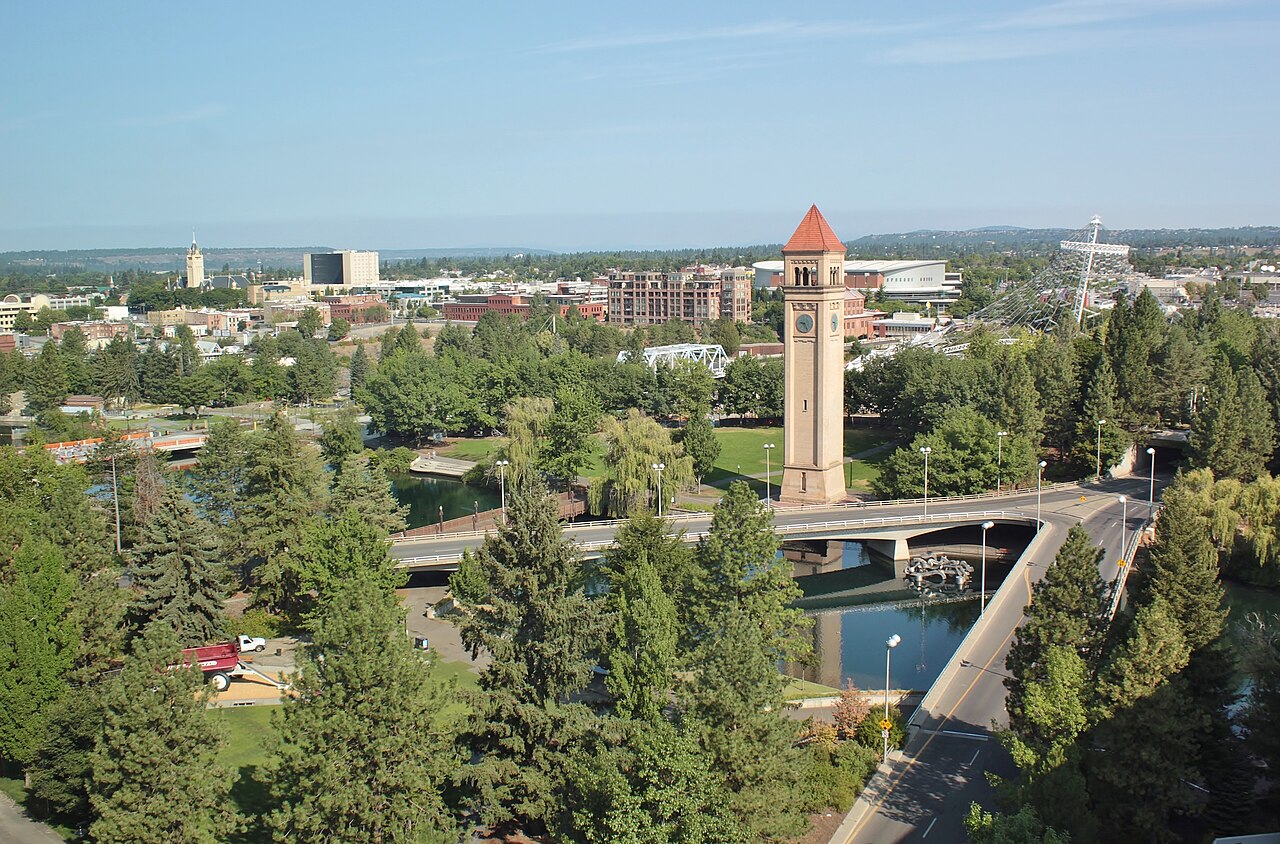
If you want a longer walk, follow the Centennial Trail along the river in either direction, or continue to the nearby Riverfront Park attractions. The falls are always free to see, they take little time, and they give Spokane a distinctive character that most visitors say they did not expect from an inland city. Pair them with a meal downtown, the Clocktower, or the podcast walking tour that explains how the falls were reclaimed.
If you only have a few minutes, stand on the Monroe Street Bridge for the broad view, then walk into Riverfront Park for the close-up. If you have longer, add a lap of the north bank loop and read the interpretive signs about the power plant and the mills.
Photographers should bring a lens that handles mist, or simply wipe the glass often. Remember that conditions change fast: a sunny afternoon can turn windy in the gorge, and a light drizzle makes the surfaces slick. Whatever the weather, the sound of the water is a free souvenir of the trip.
What to expect
The experience
A short, free walk to the Upper and Lower Falls over footbridges and viewpoints in downtown Spokane, with an optional gondola above the gorge.
Best time
Spring and early summer for the biggest flow; morning or late afternoon for photographs.
How long
About an hour.
Tips
Stay behind the barriers, expect spray on the bridges, and bring a layer for the wind in the gorge.
Quick picks
- Best for
- Anyone with an hour who wants Spokane's signature view.
- Families
- Easy and stroller-friendly on the main paths; hold small hands near the rails.
- Couples
- Lovely at golden hour, ideally before dinner downtown.
- Pair with
- Riverfront Park, the Looff Carrousel and the Monroe Street Bridge.
- Time needed
- Under two hours.
Good questions
Where are the falls?+
In the middle of downtown Spokane, beside Riverfront Park, where the Spokane River drops through a basalt gorge.
When are the falls biggest?+
Spring and early summer, when snowmelt swells the river. Late summer and fall bring a gentler flow.
Do I have to pay to see them?+
No, the viewpoints and bridges are free. The gondola over the gorge is a paid extra.
Is it safe with children?+
Yes on the marked paths, but stay behind the railings, since the current is strong and the spray makes surfaces slick.
Are there other waterfalls nearby?+
The Lower Falls and Upper Falls are the two main ones; the Spokane River also has rapids in Riverside State Park downstream.