Discover Scuba is an introductory dive for people who have never tried scuba. You meet an instructor, learn the basics in shallow water and then go for a guided dive on a reef or a wreck, depending on the site. It is a way to find out whether diving is for you without committing to a full course. St. Maarten's waters hold reefs, small wrecks and sandy slopes, and the warm, generally calm Caribbean conditions suit beginners. The experience is a good match for adventurous travelers, couples who want to try something new together and teenagers who meet the age minimum. A short briefing, a little practice and a patient instructor make a big difference to how comfortable you feel.
How the session runs
You complete a health questionnaire, watch or listen to a safety briefing and practice breathing through the regulator and clearing your mask in shallow water. Once you are comfortable, you descend with the instructor at your side, often holding on to a line or the instructor's gear at first. Dive depths for introductory dives are shallow and strictly limited. The pace is slow, and the instructor will show you how to equalize your ears, control your buoyancy and signal if you want to go up.
What you might see
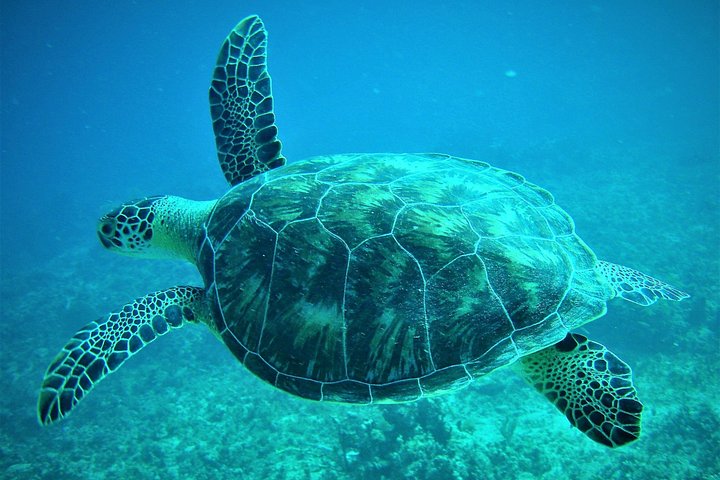
The exact site is chosen by the operator and by conditions, but Caribbean reefs commonly offer reef fish, coral heads, sea fans and the odd ray or turtle. Some visits include a small wreck. Visibility varies with the wind, and on rough days the operator may move the dive to a more sheltered spot. Do not touch coral or marine life, since both can be damaged or sting.
Health and rules
Scuba is not suitable for everyone. Asthma, heart conditions, ear or sinus problems, pregnancy and recent flying can all affect your eligibility, and you must answer the medical questionnaire honestly. Do not dive within the recommended window before a flight. Minimum ages apply, and the operator may ask for a doctor's note. If you are uncertain, ask the operator before booking.
Planning tips
Eat lightly, avoid alcohol the night before and bring a swimsuit, a towel and reef-safe sunscreen. Arrive early for the briefing. If you enjoy the dive, ask about the next steps for certification, since a short course can be started at home or finished on a longer trip. Cruise visitors should leave a generous buffer before all-aboard time, because dive schedules can run long.
Two habits make a first dive far better. First, breathe slowly and continuously, never holding your breath, because the air in your lungs expands as you rise. Second, move your fins gently from the hips and keep your arms still; new divers who flail tire quickly and stir up sand. If you start to feel anxious, stop, signal the instructor, and breathe until calm returns.
Wear a swimsuit under a rash vest, and tie back long hair. Do not drink alcohol the night before, and allow time for the full schedule. Afterward, many people want to log the dive, so ask the operator whether a certificate or log entry is provided, which can be useful if you decide to continue to a full course.
What to expect
The experience
An introductory scuba session with a briefing, shallow-water practice and a guided dive with an instructor.
Best time
Morning, when seas are calmer.
How long
About three to four hours including the briefing.
Tips
Complete the health questionnaire honestly, eat lightly and avoid flying soon afterward.
Quick picks
- Best for
- A first taste of scuba.
- Families
- Suits teens who meet the operator's age minimum; check the rules.
- Couples
- A fun new skill to learn together.
- Pair with
- A beach lunch afterward.
- Time needed
- Half a day.
Good questions
Do I need a diving certification?+
No. This is an introductory dive for beginners with an instructor.
How deep will I go?+
Introductory dives stay shallow. The instructor will explain the limit.
Can anyone do it?+
No. Health conditions and age limits apply, and you must complete a medical questionnaire.
What if I feel nervous?+
Tell the instructor. The pace is adjusted for beginners, and you can signal to go up at any time.
When should I fly afterward?+
Follow the operator's advice on the minimum wait before flying after diving.