The St. Petersburg Museum of History is the place to start if you want to understand how a sleepy bayfront settlement became a city of pelicans, pastel hotels and public art. It sits close to the pier approach, so it fits easily into a downtown walking day, and it is small enough to enjoy in a single unhurried visit. The galleries follow the city from its earliest inhabitants through the arrival of the railroad, the steamship era, the tourism boom and the postwar decades, using photographs, artifacts, maps and everyday objects rather than long wall texts. The museum is also tied to one of the best-known firsts in aviation: the world's first scheduled commercial airline flight took off from St. Petersburg in 1914, and a replica of the aircraft is a highlight for many visitors.
Most visitors arrive with a half-formed picture of St. Petersburg as a beach and mural town, and the museum fills in the missing chapters. The permanent displays trace the area's Indigenous roots and early European contact, then the homesteaders who farmed and fished along the bay. You learn why the arrival of the railroad mattered, how steamships carried winter visitors, and how the city marketed itself as a healthy, sunny retreat.
Old postcards, hotel brochures and souvenirs from the early tourist era are among the most charming objects, and they make the bright, colorful city outside feel like the natural result of a century of invitation.
The aviation story deserves its own paragraph. In the first days of 1914 a short flight across the bay carried a paying passenger between St. Petersburg and Tampa, and historians count it as the first scheduled airline service anywhere. The museum interprets that moment with a full-size replica of the fragile aircraft, and standing beside it you get a vivid sense of how daring the idea was. It is a good stop for children who like machines and for adults who enjoy a surprising local claim to fame.
Beyond the headline pieces, the museum is strong on ordinary life. Displays cover fishing, citrus, baseball spring training, the lawn bowling and shuffleboard culture that gave the city a reputation for retirees, and the later turn toward arts, craft beer and a younger, more varied population. Rotating displays change over time, so repeat visitors often find something new. Staff and volunteers are usually happy to point out lesser-known objects, and the shop sells local history books that make good souvenirs.
Practical planning is easy. Allow about an hour to ninety minutes, longer if you like to read every label. The building is indoors and air-conditioned, which makes it a useful choice on hot summer afternoons or during a passing thunderstorm. Check the current opening days before you go, because small museums often close on one or two weekdays. Parking in the downtown core is a mix of metered street spaces and garages, and many visitors walk over from the waterfront parks or the pier, which is only a short stroll away.
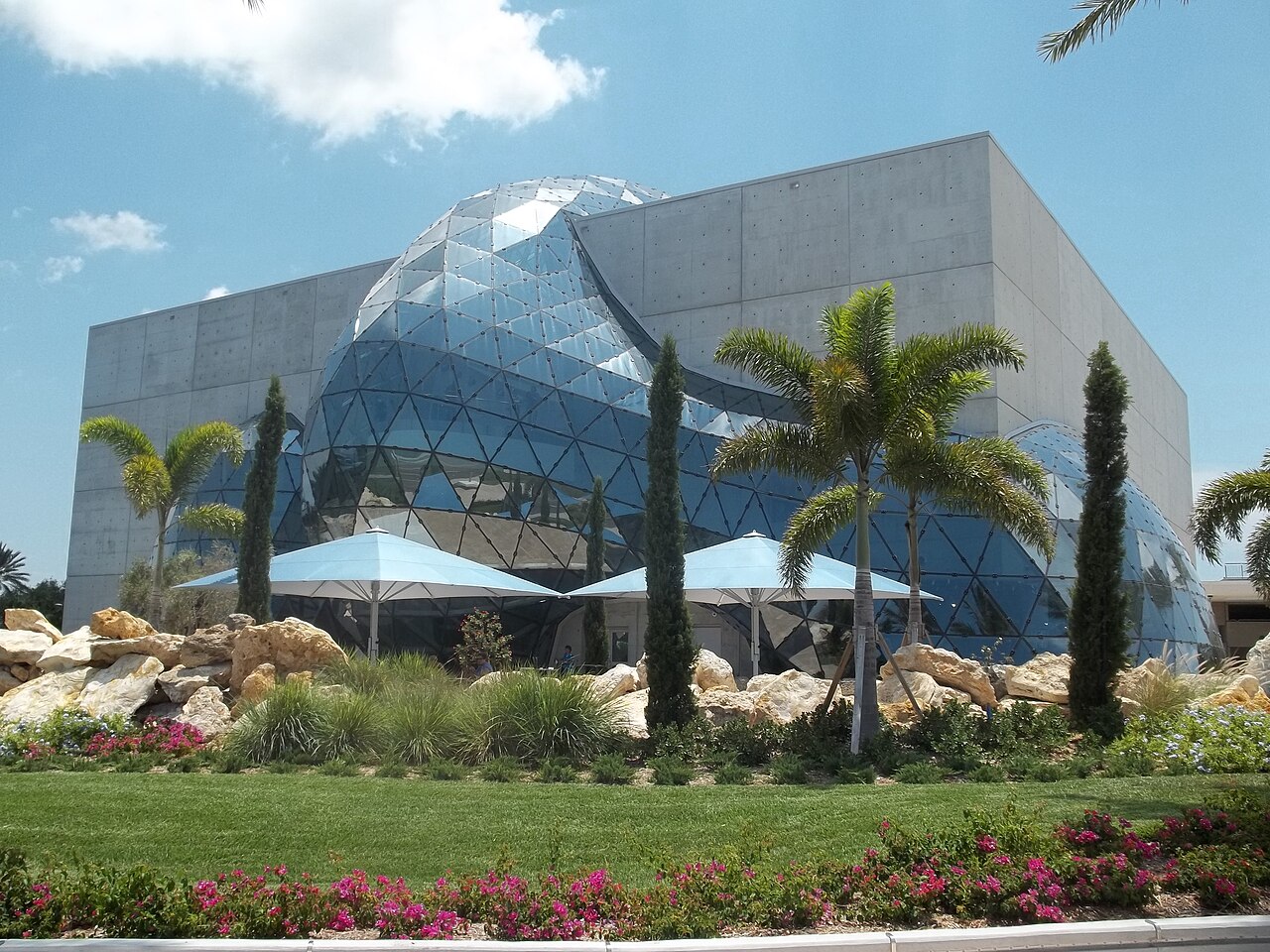
The museum also works well as a first stop on a downtown day. Visit in the morning to learn the outline of the story, then walk to the Dali Museum, the pier and the mural districts with that background in mind. Buildings you pass on Central Avenue, the bayfront hotels and the old downtown blocks take on more meaning once you know who built them and why.
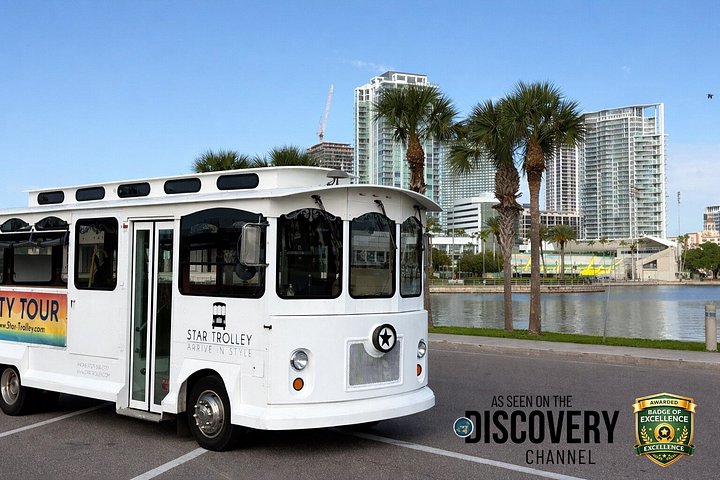
If you plan to take the trolley city tour or the ghost tour, the history here makes both richer, because the names and dates that guides mention will already be familiar.
Families will find the museum approachable. The scale is human rather than overwhelming, and the objects are concrete: a boat, an airplane replica, tools, toys and clothing. Older children can compare the city in old photographs with the one they see on the street, which turns a walk afterward into a small scavenger hunt. Travelers who prefer quiet will appreciate that the galleries are rarely crowded, and photographers can usually take their time.
Pair the visit with lunch downtown, a stroll along the waterfront parks or an afternoon at the pier. It is a low-effort, high-reward stop that adds depth to a trip otherwise built around sand and sunsets, and it is one of the better rainy-day choices in the city.
What to expect
The experience
A self-guided history museum in downtown St. Petersburg covering the city's founding, tourism boom and aviation firsts.
Best time
Morning or a hot afternoon; it is a good rainy-day choice.
How long
About an hour to ninety minutes.
Tips
Check opening days before you go, then walk to the pier and the Dali Museum afterward.
Quick picks
- Best for
- Curious first-time visitors and families who like local stories.
- Families
- Approachable scale with an aircraft replica and everyday objects.
- Couples
- A relaxed, air-conditioned stop before lunch downtown.
- Pair with
- The Dali Museum, the pier or a Central Avenue lunch.
- Time needed
- About an hour to ninety minutes.
Good questions
What is the museum known for?+
It tells the story of St. Petersburg and features a replica of the aircraft used for the first scheduled airline flight in 1914.
How long should I allow?+
Most visitors need about an hour to ninety minutes.
Is it good for children?+
Yes. The displays are concrete and the aircraft replica appeals to many children.
Is it a good rainy-day option?+
Yes. It is fully indoors and close to other downtown stops.
Is it near the pier?+
It is a short walk from the pier approach and the waterfront parks.