Trolleys are a natural fit for this part of Florida. The region is spread across a bay, a string of barrier islands and a downtown that rewards slow exploration, and open-air vehicles suit the weather. There are two kinds of trolley to know about: paid sightseeing tours with a guide, and public loop services that move people between hotels, beaches and downtown. Understanding both makes a visit easier and cheaper.
The open-air city tour
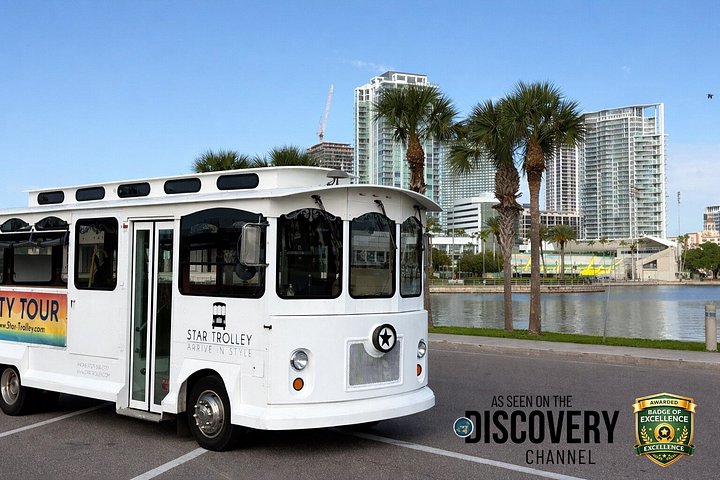
The St. Petersburg open-air trolley city tour is the best first activity for newcomers. A guide narrates the city's story while the trolley rolls through downtown, along the waterfront and through nearby neighborhoods, and a local distillery tasting adds a social stop. It runs on a schedule and takes around two hours. Because it is open to the air, bring sunscreen and a hat, and ask about the weather policy when you book.
The street-art trolley
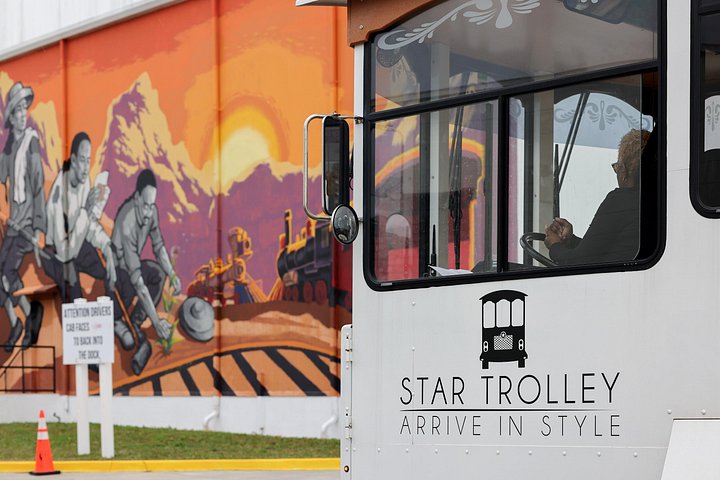
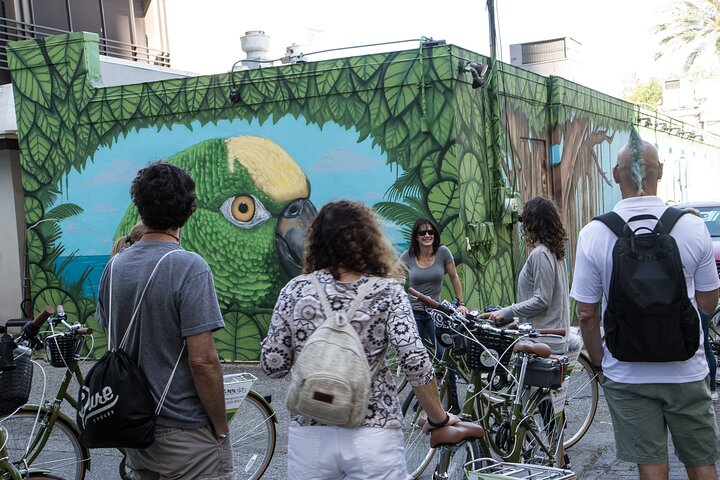
The street-art mural trolley focuses on the city's large murals. Guides explain the artists, the festival that supports new works and the stories behind the images, with stops for photographs. It suits art lovers, families and anyone who wants to see the outdoor gallery without walking in the heat. If you prefer an active version, the mural biking tour covers similar ground on two wheels.
Free and low-cost loops
Downtown St. Petersburg has had a free trolley-style loop that connects the waterfront, museums and restaurants, and it is a convenient way to avoid parking costs. Schedules and routes change, so check the current service when you arrive. Along the Gulf beaches, a beach trolley and shuttle network links St. Pete Beach, Treasure Island and nearby communities, which is useful if you want to avoid driving after dinner.
Clearwater and the beach shuttle
Clearwater Beach has its own seasonal trolley and shuttle options linking the island, the village and park-and-ride lots on the mainland. These services can be a lifesaver on busy weekends, when the causeway and parking fill up. Check the operating hours, fares and stops before relying on them for a late-night return, since services may end early.
Why take a paid trolley tour at all?
A paid tour gives you commentary and context that a public loop cannot. You learn who painted a mural, why a building matters and where to eat, and you see more in two hours than you would on your own. Many visitors do a tour on their first morning and then use public transport and walking for the rest of the stay.
Using trolleys with a car
If you have a rental car, park once at a garage and use trolleys to move between districts. This saves money and stress, especially at the pier and on beach weekends. If you do not have a car, combine trolleys with ride services and the occasional taxi for trips between downtown and the beaches, which are about thirty minutes apart.
Accessibility and comfort
Open-air trolleys usually have steps, so ask about accessibility if you use a wheelchair or have limited mobility. Public loop vehicles are often easier to board. Carry water, wear sun protection and bring a light layer for evening rides, because breeze and shade can make the air feel cooler than it is.
Planning your trolley day
A simple plan is the open-air tour in the morning, lunch at the pier district, the Dali Museum in the afternoon and the free loop back to your hotel. A second day might feature the mural trolley, a food tour and an evening cruise. Mix paid tours with free options, and leave time to wander. The best trolley rides here are less about getting somewhere than about enjoying the ride itself.
Parking and traffic
Downtown parking is a mix of street meters and garages, and the pier district can fill quickly on weekends and event days. Garages a few blocks away are usually easier and offer a short walk or a trolley ride. At the beaches, metered lots and street parking fill by late morning in season, so arrive early or use shuttles from remote lots. Always read posted signs carefully to avoid tickets.
Rideshares, bikes and boats
Ride services are widely available and handy for evenings. Many hotels and shops rent bikes, which are an excellent way to move around flat downtown streets and along waterfront paths. Water taxis and ferries operate in some seasons, linking the pier to nearby waterfront stops, so ask locally about the current options. Combining these choices means you can enjoy the region fully without relying on a single vehicle.