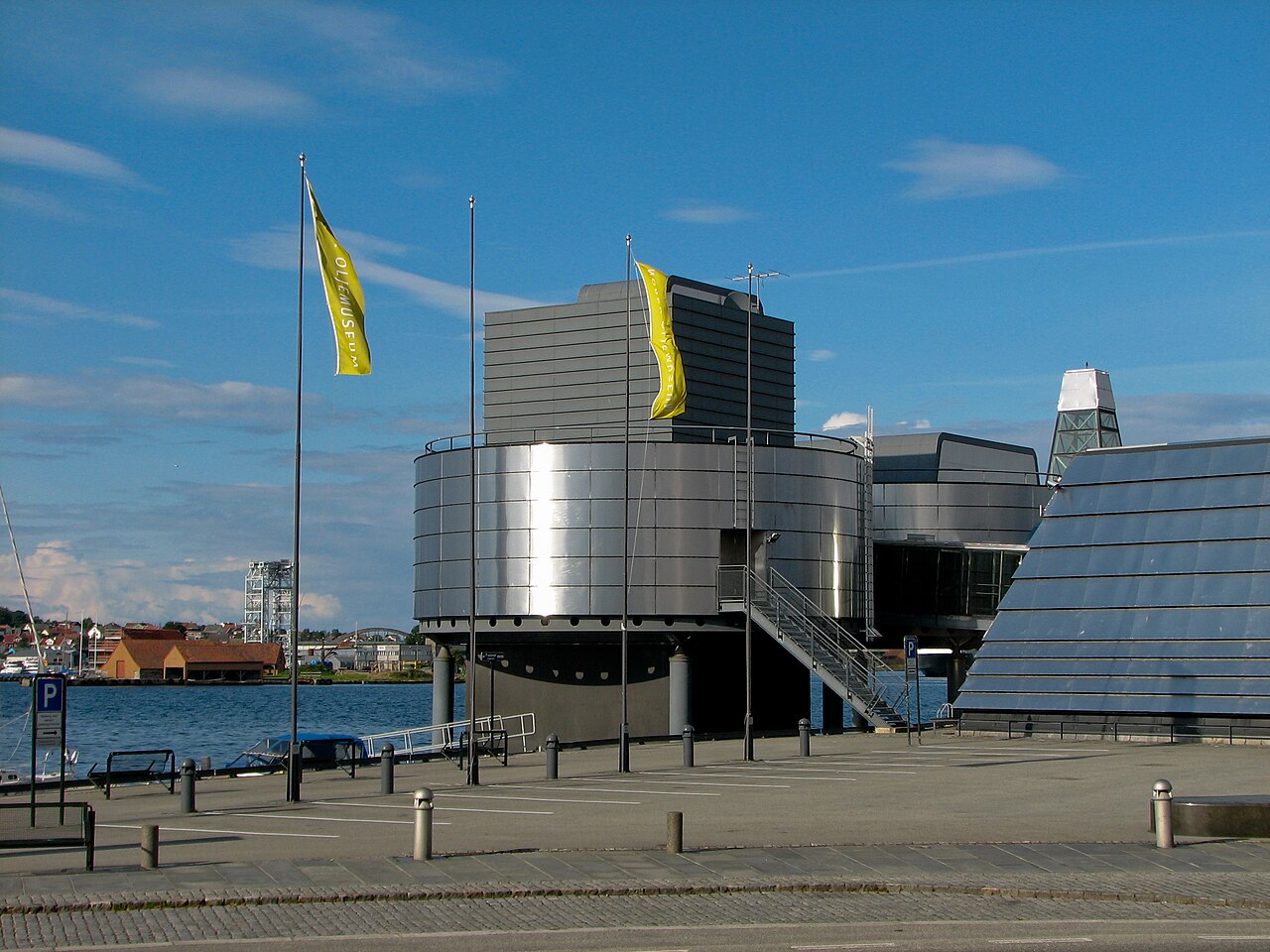
Stavanger became Norway's's oil capital in the early 1970s, and the Norwegian Petroleum Museum on the waterfront tells that story in a way that is far more engaging than the subject sounds. Exhibits follow the creation of oil and gas deep underground, the discovery of the first fields in the North Sea, the daring engineering of the platforms, and the lives of the people who worked offshore. You can walk through reconstructed living quarters, handle drill bits, watch films about diving and rescue, and climb on a full-size section of a platform. It is a museum with a clear point of view on how wealth, work and risk shaped modern Norway, and it also discusses climate and energy transition.
Allow two to three hours. The displays are well designed, with large models, original equipment and interactive stations. Children enjoy the playground-style exhibits that let them operate controls and explore pipes, and there are family-friendly activities during school holidays. Teenagers and adults will like the human stories, from the offshore pioneers to the safety lessons learned after accidents, and the way the museum links the oil story to the environment and the future of energy.
The building is a striking structure of steel and glass beside the harbour, and the shape of the roof echoes the offshore platforms it describes. There is a cafe with harbour views, and the museum shop sells books and souvenirs. Special exhibitions change from time to time, so check what is on when you plan your visit. Opening days and hours change with the season, so look at the museum site before you go.
The museum is especially valuable on a rainy day, which in Stavanger is a real possibility. It is a good complement to the old town walk, since it explains the modern city that grew around the old heritage district. If you are staying for several days, it makes a good break between fjord days, and if you only have a short time in the city it provides a strong sense of what makes Stavanger different from Bergen or Oslo.
The museum is accessible, with lifts and level routes throughout, and guided tours in English are offered at set times in the high season. Buy tickets on the museum website for current prices and any family or combination offers. Arrive early or late in summer to avoid school groups, bring ID if you are claiming a student discount, and keep an eye on the clock if you plan to see a film or join a guided tour.
What to expect
The experience
An interactive museum about North Sea oil and gas, with models, original equipment, films and hands-on exhibits.
Best time
Any day, particularly useful in rain; weekday mornings are quietest.
How long
About 2 to 3 hours.
Tips
Check opening days and hours on the museum site, and plan for a cafe break.
Quick picks
- Best for
- Visitors curious about how oil shaped Norway.
- Families
- Excellent for families, with hands-on displays and play areas.
- Couples
- A good indoor stop on a wet day.
- Pair with
- A stroll through Gamle Stavanger and a harbour lunch.
- Time needed
- About 2 to 3 hours.
Good questions
Is the museum suitable for children?+
Yes, there are interactive exhibits and play areas for younger visitors, and school-holiday activities.
How long does a visit take?+
Most visitors spend two to three hours.
Is there a cafe?+
Yes, the museum has a cafe with harbour views.
Is it accessible?+
The building has lifts and level routes. Check the museum site for details.
Where can I buy tickets?+
On the museum website or at the entrance. Check the site for current prices and opening times.