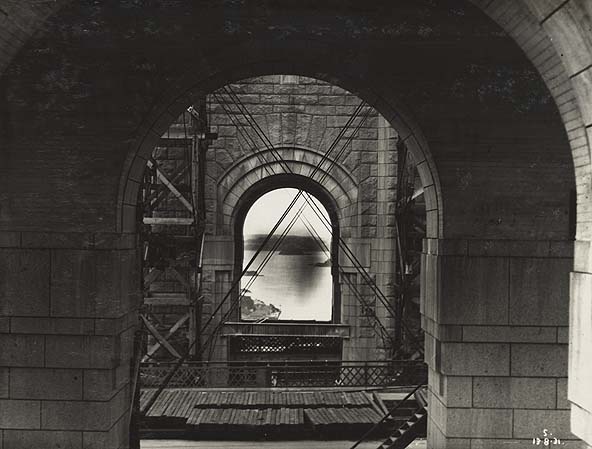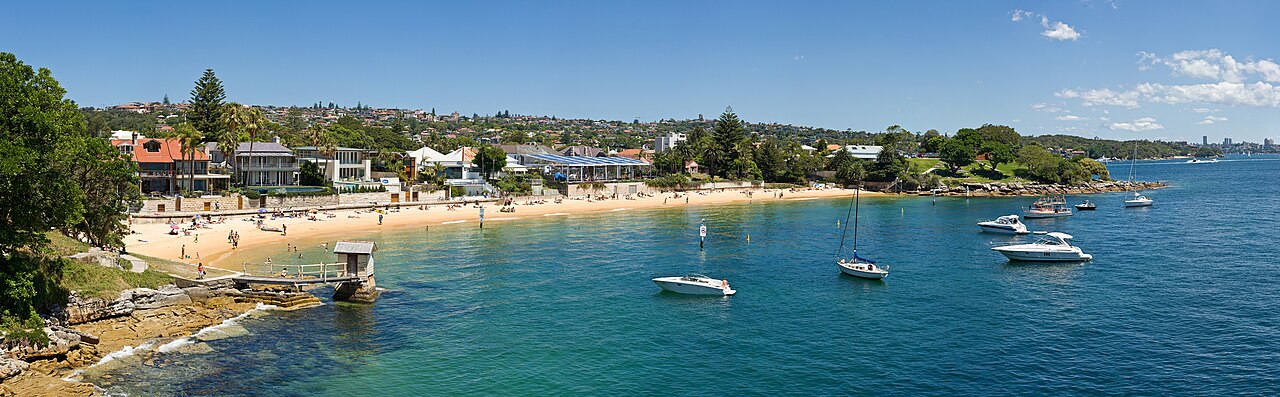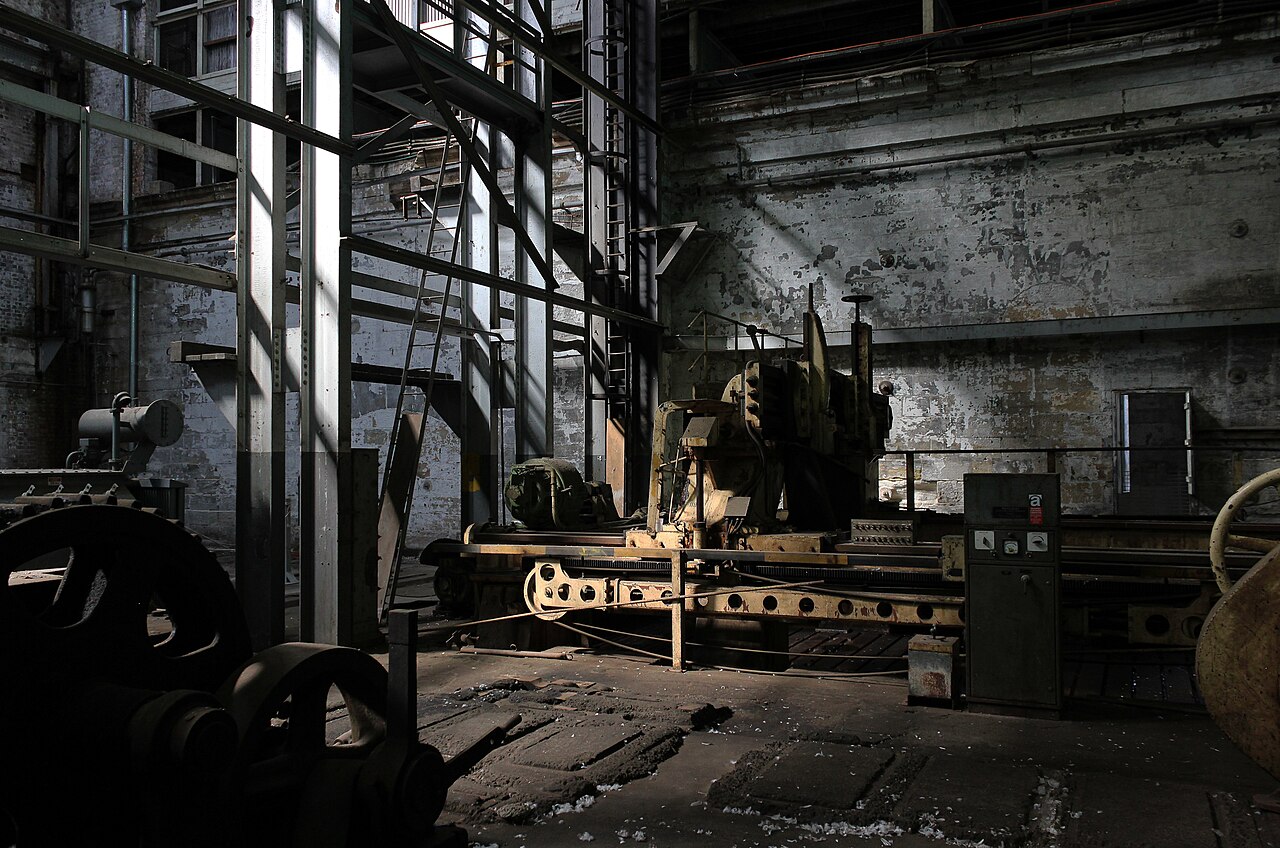
Cockatoo Island is the largest island in Sydney Harbour and one of the strangest, most rewarding places in the city to spend a few hours. It has two lives layered on top of each other. From 1839 to 1869 it was a convict gaol, and the Convict Precinct on the island's sandstone plateau, with its barracks, mess hall, guard house and solitary confinement cells, is part of the UNESCO World Heritage-listed Australian Convict Sites. Then, for more than a century, it was one of Australia's great shipyards, building and repairing naval and merchant ships until the dockyard closed in 1991. That industrial side is what gives the island its drama: the huge Fitzroy and Sutherland docks cut into the rock, cavernous workshops like the Turbine Shop, slipways, cranes and the 1918 Powerhouse with its tall chimney. You can walk through the Dog Leg Tunnel, a 180-metre passage cut through the island and later used as an air raid shelter in the Second World War, and climb to Biloela Lawn for wide views of the harbour. Entry is free, and the island is open every day. Getting there is easy: ferries on the Parramatta River and Cockatoo Island routes run from Circular Quay and Barangaroo, so the ride itself is a cheap harbour cruise past the Bridge and Balmain. There are two licensed cafes on the island, a visitor centre with maps and an audio tour, and, unusually for a city attraction, a waterfront campground and holiday houses if you want to spend the night with the harbour to yourself after the last ferry leaves.
The convict story here is harsh. Cockatoo Island was used to hold repeat offenders, many of them transferred from Norfolk Island, and the prisoners quarried the island's sandstone, cut the silos and built the first dry dock by hand. Later the island housed an industrial school and reformatory for girls, before the shipbuilding era took over completely. Through the World Wars it was a vital naval dockyard, and the scale of the cranes and dock walls still gives a sense of how many people worked here. The island has also become one of Sydney's most distinctive venues, used over the years for art exhibitions, festivals and film shoots.
How to explore: pick up a map at the visitor centre near the main wharf, then work around the island in a loop: the industrial precinct and docks on the lower level, the tunnel, then up the stairs to the convict precinct and the lawns on the plateau. The audio tour adds a lot of detail and is worth it if the visitor centre is open. Wear sturdy shoes; the surfaces are uneven, with steep stairs and old dock edges. Steam crane demonstrations run on the first Tuesday of each month. Check the notices before you go: the southern entrance to the Dog Leg Tunnel is temporarily closed for works, part of Bolt Wharf is closed for conservation works, and parts of the shipbuilding facility will be closed for filming from 9 to 13 November 2026.
Practicals and fit: entry is free, and the ferry is the only cost for most visitors. Alcohol can only be bought and drunk at the island's licensed cafes; you cannot bring your own unless you are staying in the apartments or heritage houses. Shade is limited on the open plateau, so bring a hat. It suits history lovers, photographers, families with kids who like tunnels and big machines, and anyone who wants a quieter alternative to the busy harbour hotspots. Camping overnight is one of the most unusual stays in Sydney.
What to expect
The experience
A self-guided walk around a harbour island with UNESCO-listed convict buildings, a historic shipyard, dry docks and tunnels, reached by public ferry.
Best time
Weekday mornings are quietest; the first Tuesday of the month for steam crane demonstrations. Sunset is magical if you are staying overnight.
How long
Two to four hours, or overnight in the campground.
Tips
Get a map and the audio tour at the visitor centre. Wear sturdy shoes. No BYO alcohol. Check current works closures on the official site before you go.
Quick picks
- Best for
- History and industrial heritage in a setting you will not find anywhere else in Sydney.
- Families
- Tunnels, docks, cranes and a ferry ride; older kids especially love it.
- Couples
- A quiet afternoon, a drink at the waterfront cafe, or a glamping night on the harbour.
- Pair with
- Hyde Park Barracks for the full convict story, or Barangaroo by ferry.
- Time needed
- Half a day including the ferry.
Good questions
Is Cockatoo Island free?+
Yes, admission is free and the island is open seven days a week. You pay for the ferry, food and any accommodation.
How do I get to Cockatoo Island?+
By public ferry from Circular Quay or Barangaroo; the F3 Parramatta River and F8 Cockatoo Island services stop there. Water taxis and private boats are other options.
Why is it World Heritage-listed?+
Its convict precinct, used as a gaol from 1839 to 1869, is one of the eleven Australian Convict Sites inscribed on the UNESCO World Heritage List.
Can you stay overnight?+
Yes. There is a waterfront campground, including pre-set tents, plus holiday houses and apartments. Accommodation guests can use the campground facilities after the day visitors leave.
Is anything closed at the moment?+
The southern entrance to the Dog Leg Tunnel is closed for works, part of Bolt Wharf is closed for conservation, and parts of the shipbuilding facility are closed for filming from 9 to 13 November 2026. Check the official site for updates.