Tacoma has a mild marine climate shaped by Puget Sound and the Olympic and Cascade mountains. Summers are dry and pleasantly warm, winters are cool and often wet, and spring and autumn blend the two. Almost any time of year works for the museums, but the outdoor sights depend more on the weather. This guide walks through the seasons and offers advice on timing for the things most visitors come to see.Summer: the classic season. From late June through early September, skies are usually clear and the days are long. Point Defiance Park, Ruston Way and the Dune Peninsula are at their best, and Mount Rainier often stands in plain view across the water. This is also the busiest period, with crowds at the zoo, the beaches and the waterfront restaurants, and higher hotel prices. Book accommodation and popular dinner reservations early, and arrive at the park before mid-morning to find parking.Autumn: colour and calm. Early autumn keeps much of the summer's good weather with fewer visitors. As the season advances, maples and other trees in Wright Park and the Stadium District turn gold and red, and the light becomes soft. Rain returns gradually, which makes museum days more attractive. Fort Nisqually and other seasonal sites may reduce hours, so check before you go. Autumn is an excellent time for photographers and for travellers who like quiet.Winter: cosy and wet. From November to March, expect cool temperatures and frequent rain, with occasional clear, crisp days when the mountain is spectacular. Snow in the city is uncommon but possible. This is the best season for indoor attractions: the Museum of Glass, the History Museum, the Art Museum, the car museum and the Seymour Conservatory, which is warm and bright. Hotel rates are often lower, and the waterfront is quiet. Dress in waterproof layers and plan shorter outdoor walks.Spring: gardens and changeable skies. Spring brings blossoms, rhododendrons and fresh green, and the gardens at Point Defiance are at their most colourful. The weather is changeable, so carry a rain jacket and be ready to switch plans. Crowds are moderate, except at school holidays, and prices are reasonable. It is a good time for Northwest Trek, when animals are active and the park is green.Seeing Mount Rainier. The mountain is the great reward of a clear day, and it is more often visible in summer and on cold, dry winter days than in the grey months of spring and autumn. Do not count on it, but if you see it, make time for the Dune Peninsula, Ruston Way or Titlow Beach, where the view is open. The mountain's visibility can change within hours, so be flexible about when you do your outdoor stops.Events and busy weekends. Concerts and sports at the Tacoma Dome, festivals downtown and weekend events can fill hotels and raise prices, whatever the season. Check event calendars when you plan. Weekdays tend to be calmer at museums and parks, and early mornings are best for the zoo and the beaches.Daylight and the shoulder seasons. Summer days stretch into late evening, giving long windows for the parks and the waterfront. Winter days are short, so plan outdoor visits for the middle of the day and keep evenings for dinner and museums. Spring and autumn offer a balance, with enough light for a full day and fewer crowds. If you can choose, pick a weekday visit in the shoulder season for the calmest, most affordable experience.A quick seasonal summary. For gardens, come in spring. For beaches and mountain views, come in summer. For colour and quiet, come in early autumn. For museums, conservatories and low prices, come in winter. For events, check the calendar, because a single large concert can change the feel of a weekend.What to pack. Bring layers, a waterproof jacket, comfortable shoes and a small day pack. In summer, add sunscreen and a hat. In winter, add warm socks and an umbrella you do not mind losing to the wind. For a first visit, late spring and early autumn offer the best balance of weather, light, prices and crowds, but if you can only come in the wet season, the museums, the conservatory and the cosy restaurants will still make the trip worthwhile.
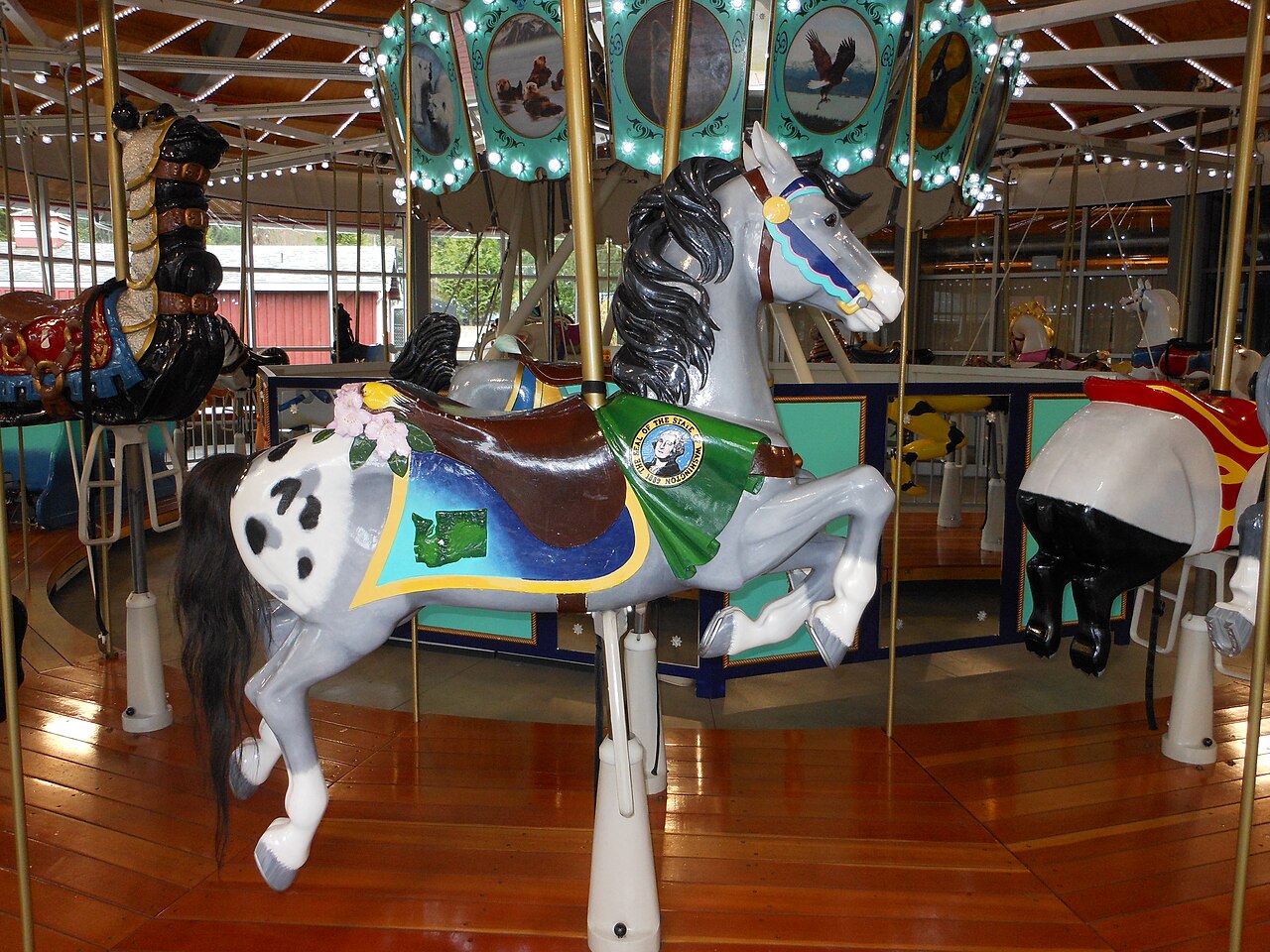
Tacoma guide
When to Visit Tacoma
A seasonal guide to Tacoma, with what the weather is like, when the views are clearest and which attractions shine in each season.
Mentioned in this guide
DoPoint Defiance Park
A forested peninsula of more than 700 acres at the tip of Tacoma, with Five Mile Drive, old-growth trees, gardens, beaches, a reconstructed fort and views of Puget Sound and Mount Rainier.
Dune Peninsula at Point Defiance
A reclaimed former smelter site turned into a windswept headland park, with a looping promenade, native dune grasses, a fishing pier and sweeping views of the Narrows, Gig Harbor and Mount Rainier.
 Do
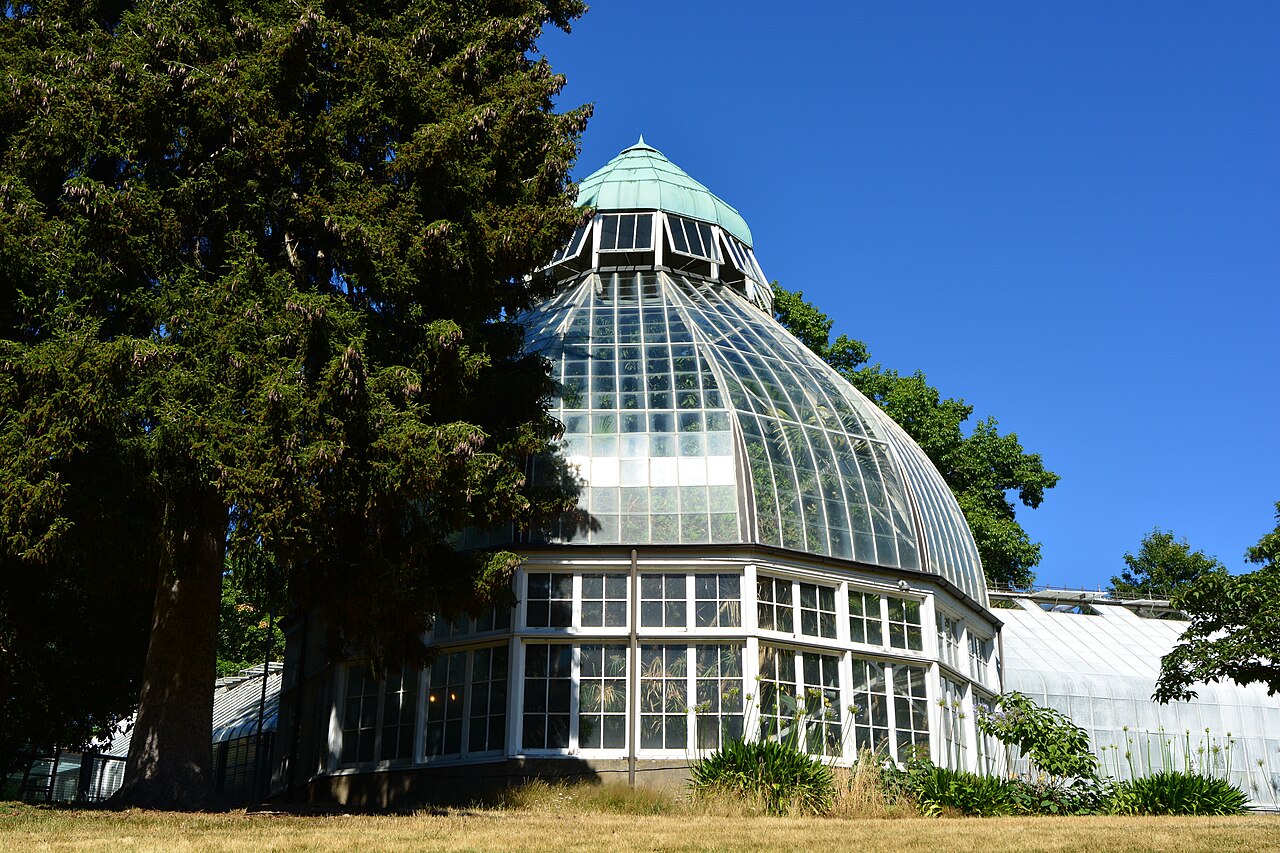
Wright Park and Seymour Conservatory
A leafy Victorian park in the Stadium District with an arboretum, a duck pond and the W.W. Seymour Botanical Conservatory, a historic glasshouse full of tropical plants, orchids and seasonal displays.
 Do
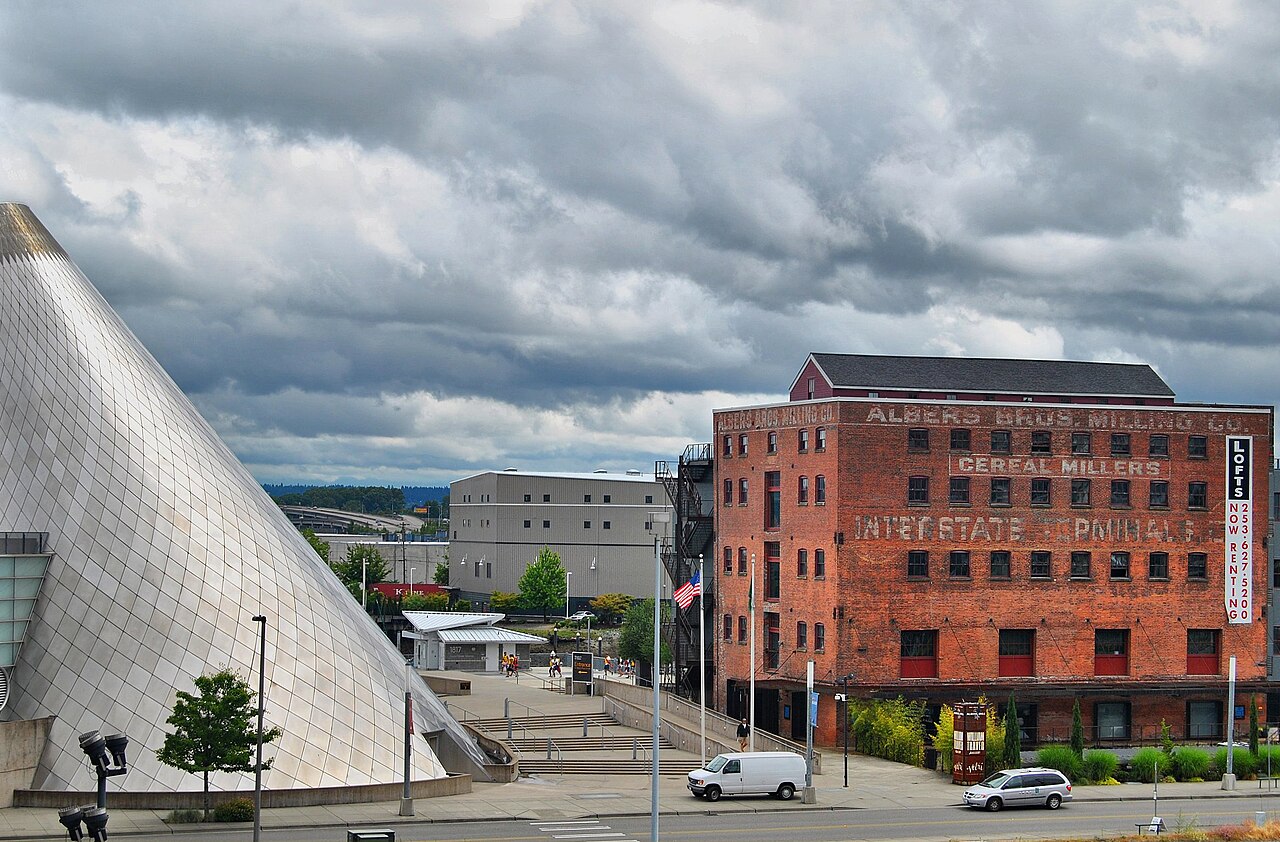
Museum of Glass
A glass art museum on the Thea Foss Waterway, built around a working Hot Shop under a tilted stainless steel cone, where visiting artists shape molten glass while you watch from the amphitheater seats.
Northwest Trek Wildlife Park
A large wildlife park near Eatonville, an hour south-east of Tacoma, where a tram carries visitors through free-roaming bison, elk, moose and caribou, alongside walking trails and bears and wolves.
 Stay
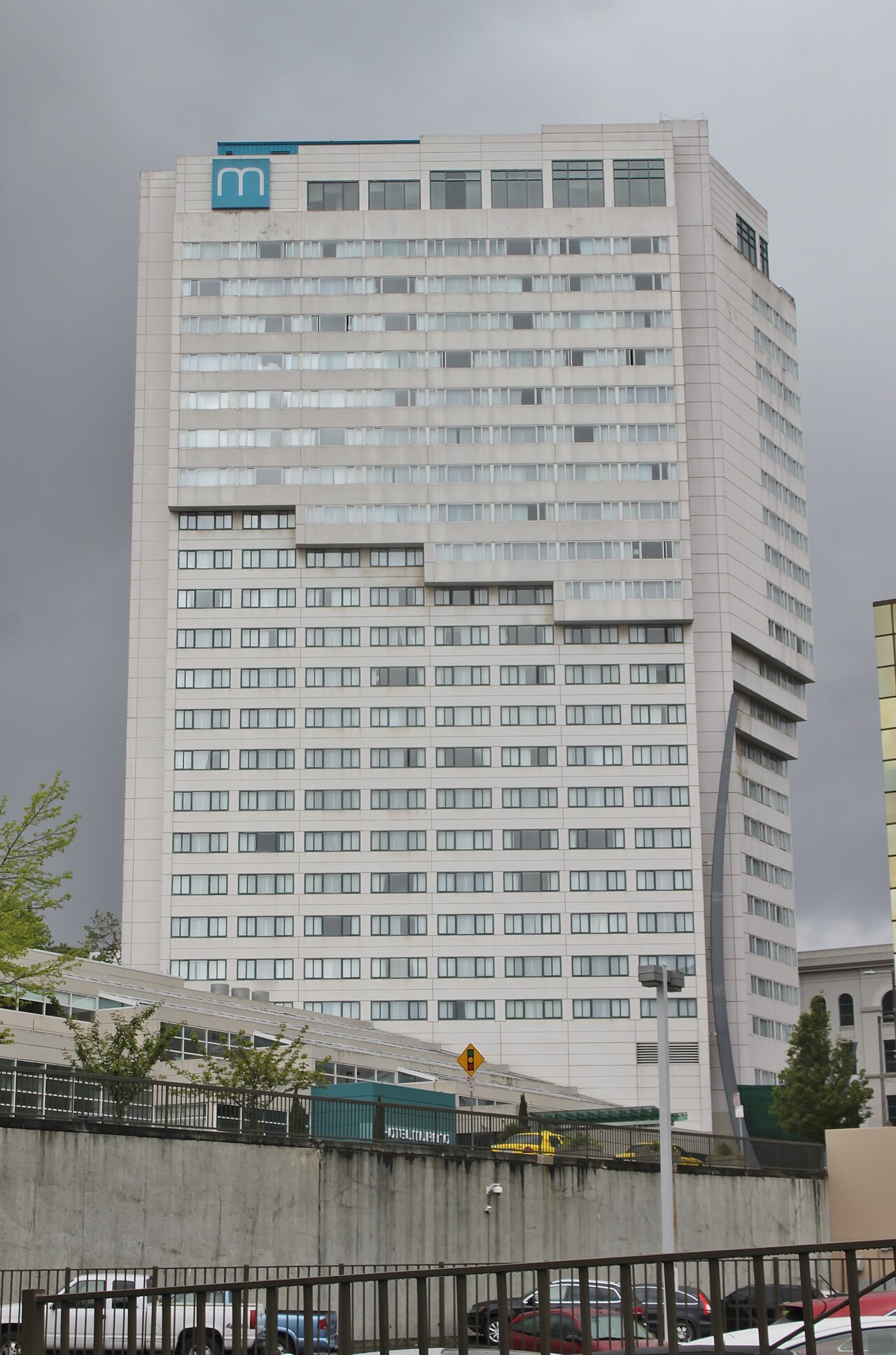
Hotel Murano Tacoma
A glass-art boutique hotel in the heart of downtown, with a different glass artist featured on each floor, a few blocks from the Pacific Avenue museums and the Theater District.
Best Western Plus Tacoma Dome Hotel
A practical, family-friendly hotel near the Tacoma Dome and LeMay America's Car Museum, with easy Interstate 5 access and the light rail a short distance away.