Tampa's story is bigger than cigars and pirates. This guided walk focuses on the Black community that helped build the city, from the people who laid its railroads and worked its docks to the entrepreneurs, teachers and musicians who created a lively, self-reliant neighborhood. The tour shows places that visitors often miss, explains how segregation and urban renewal shaped the map and shares stories of resilience and achievement that are still part of daily life. The walk is meant to be accessible, conversational and respectful. A local guide gives context, answers questions and invites reflection, and the pace allows time to look closely at buildings, markers and streetscapes. It is an excellent complement to the cigar and waterfront stories at the heart of most Tampa visits, and it adds depth for travelers who want to understand the city as a whole.
The theme of the tour is memory. Tampa's Central Avenue district was once a thriving center of Black-owned shops, restaurants, theaters and clubs, and it drew visitors and performers from across the region. Highway construction and redevelopment in the twentieth century broke up many of those blocks, and the tour explains what was lost, what remains and what is being done to honor the past. Your guide connects markers, murals, churches and open spaces to people and events, so that empty lots and quiet corners start to tell a story.
You also learn about the people who shaped the wider community. The tour touches on early Black settlers, the role of Afro-Cuban workers in Ybor City, the mutual aid societies that supported families and the leaders who worked for education and civil rights. The tone is factual and balanced, and the guide welcomes questions. Expect a mix of history, music and local culture, with moments of pride as well as sorrow.
Practical details help you enjoy the walk. Wear comfortable shoes, bring water and sunscreen and carry a hat in the warm months. Most of the route is on sidewalks, and the pace is moderate, but check the operator's accessibility notes if you have mobility concerns. The tour is suitable for adults and teenagers, and older children who are interested in history can join with a parent. Photography is usually welcome, though you should ask before photographing people or private property.
Morning and early evening are the best times, when the heat is lower and the light is soft. Summer afternoons can be hot and stormy, so carry a small umbrella or rain layer. The tour may run on selected days, so check availability and book in advance if your schedule is tight.
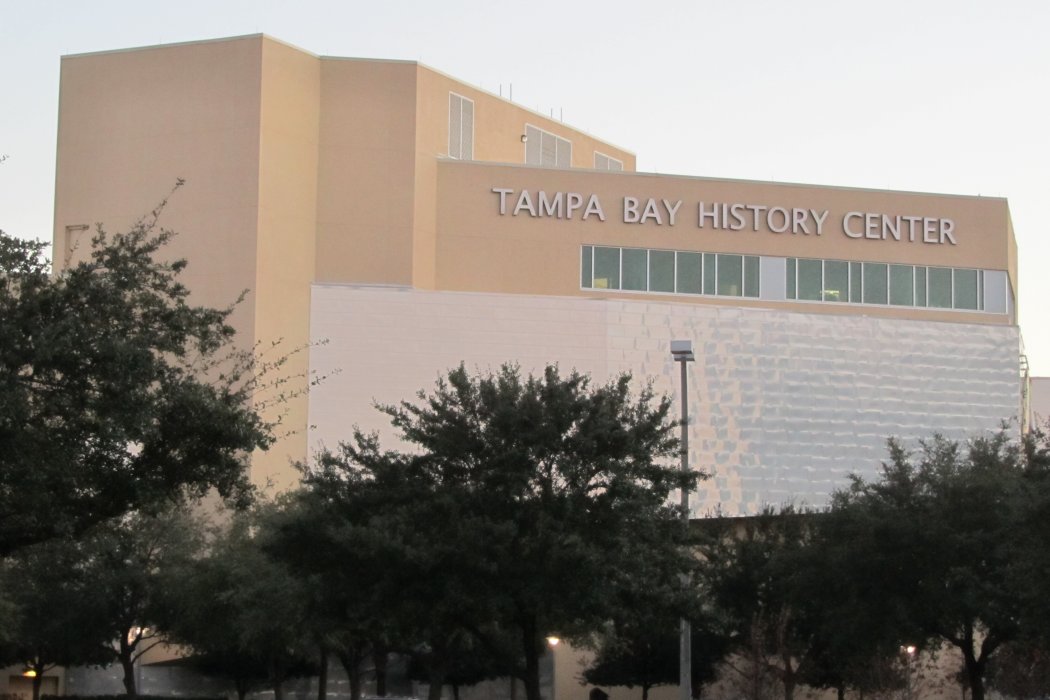
To deepen the experience, combine the walk with a visit to a local museum or cultural center, a meal at a neighborhood restaurant or a stop at the Tampa Bay History Center, which places the community's story in the context of the region. In Ybor City, the historic walking tour and the food tour show how Cuban, Spanish, Italian and Afro-Cuban cultures overlapped. Together these experiences create a fuller picture of Tampa than any single attraction can.
What to expect
The experience
A guided walking tour exploring the history of Tampa's Black community, with stops that connect markers, buildings and open spaces to the people and events behind them.
Best time
Mornings and early evenings, when temperatures are lower and the light is gentle.
How long
About two hours at a moderate pace.
Tips
Wear comfortable shoes, bring water and sun protection, and ask questions. Check accessibility notes if you have mobility needs.
Quick picks
- Best for
- Curious travelers who want a deeper understanding of Tampa's people and past.
- Families
- Best for teens and older children with an interest in history.
- Couples
- A thoughtful, conversation-rich outing.
- Pair with
- Pair with the Tampa Bay History Center, a neighborhood lunch or an Ybor City walking tour.
- Time needed
- About two hours.
Good questions
Is the tour suitable for children?+
Older children and teenagers who are interested in history will get the most from it. The pace and content suit mixed-age groups.
How much walking is involved?+
The route is on sidewalks at a moderate pace. Check the operator's accessibility notes if you need step-free access.
What time of day is best?+
Mornings and early evenings are cooler and more comfortable, especially in summer.
Can I take photos?+
Usually yes, though it is polite to ask before photographing people or private property.
How does it fit with other Tampa history tours?+
It complements the Ybor City and downtown tours by focusing on the Black community's contributions and the places tied to them.