Ybor City is the most distinctive neighborhood in Tampa Bay and the clearest window into the region's immigrant history. Founded in the 1880s when Vicente Martinez Ybor moved his cigar factory here, it grew into the cigar-making capital of the United States, built by Cuban, Spanish, Italian and German workers whose mutual-aid societies, cafes and bakeries shaped Tampa's culture. Today it is a National Historic Landmark District, and the streetscape is still striking: brick cigar factories, wrought-iron balconies, social clubs such as the Cuban Club and the Italian Club, and Seventh Avenue's long run of restaurants, bars and shops. Walk it in the daytime to see the history. Watch cigar rollers at work in small shops along Seventh Avenue, visit the Ybor City Museum State Park (a modest fee) for the story of the workers and their casitas, and have lunch at the Columbia Restaurant, the Spanish-Cuban institution that opened here in 1905 and is still run by the same family. The famous feral chickens wander freely and are protected locals. In the evening the district shifts into Tampa's nightlife hub, louder and younger, especially on weekends. The streetcar links Ybor to Channelside and downtown, and the visitor information center has maps and tour details. Fit: history lovers, couples who like food and atmosphere, and anyone who wants to understand Tampa beyond the beaches.
Ybor City dates to 1886, when Vicente Martinez Ybor moved his cigar-making operation from Key West to what was then scrubland east of Tampa and built a company town around it; other manufacturers, among them Ignacio Haya, set up alongside, and within a few decades the district was turning out hundreds of millions of cigars a year. The Cuban independence movement has deep roots here: Jose Marti visited in the 1890s to raise support among cigar workers, and the steps he spoke from are part of local lore.
The immigrant communities built mutual-aid societies, the Centro Espanol, the Cuban Club and the Italian Club among them, that provided clinics, theaters and dance halls. The cigar industry declined with mechanization and the Depression, and much of the district fell into disrepair before preservation and redevelopment brought it back as a National Historic Landmark District. The layers are still legible: factories turned into offices and hotels, social clubs still holding events, and the Cuban sandwich (Tampa's version, with salami) as a living reminder of the mix of cultures.
Visit craft
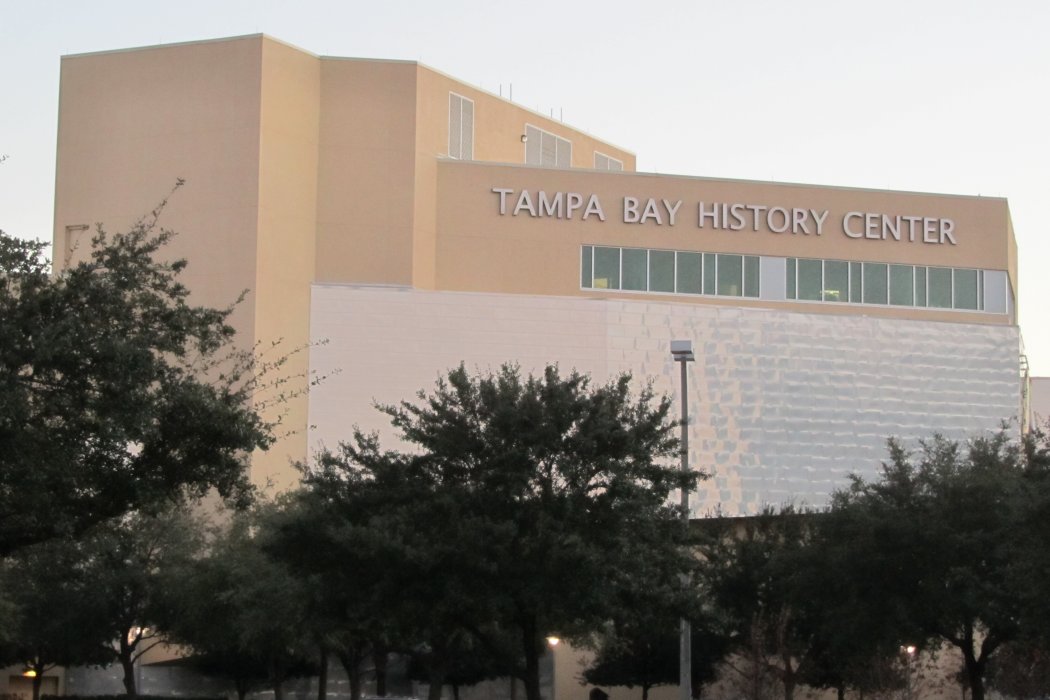
Start at the Ybor City Museum State Park, housed in the old Ferlita Bakery with restored cigar workers' casitas beside it, or the visitor information center, then walk Seventh Avenue and the side streets, looking up at the balconies and tile work. Join a guided walking tour (the Tampa Bay History Center runs them, among others) if you want stories behind the buildings.
Eat at the Columbia, or grab a Cuban sandwich and cafe con leche at a bakery. Buy cigars from a shop with rollers working at the bench. Leave before late night if you are not there for the bar scene.
Practicals and fit
Just northeast of downtown Tampa, reachable by the free TECO Line Streetcar from Channelside and the Riverwalk; the district is free to explore, with paid parking in garages and lots. Allow two to four hours. To stay inside the district, Hotel Haya on Seventh Avenue is the boutique choice. Fit: history, couples, food lovers, and families in the daytime.
What to expect
The experience
A walkable historic district of cigar factories, social clubs and balconied streets, with cigar shops, a small state museum, historic restaurants and a nightlife scene after dark.
Best time
Daytime for history and families; evenings for dinner and nightlife, which gets loud on weekends.
How long
Two to four hours.
Tips
Start at the Ybor City Museum State Park or the visitor center. Take a guided walking tour for the stories. Ride the streetcar from Channelside instead of driving. Leave the chickens alone.
Quick picks
- Best for
- Understanding Tampa's immigrant and cigar history on foot.
- Families
- Daytime only — chickens, a small museum and Cuban bakeries are a hit; skip the late-night scene.
- Couples
- A historic dinner at the Columbia and a stroll down Seventh Avenue.
- Pair with
- The Tampa Bay History Center and a streetcar ride to Channelside.
- Time needed
- Two to four hours.
Good questions
Why is Ybor City called cigar city?+
From 1886 it grew into the center of US cigar production, built around factories staffed by Cuban, Spanish and Italian immigrants. A few shops still hand-roll cigars today.
Is Ybor City free to visit?+
Yes. The district is free to walk; the Ybor City Museum State Park charges a small fee, parking is paid, and the streetcar from downtown is free.
Is it family-friendly?+
In the daytime, yes. At night, particularly on weekends, it becomes a busy bar and club district better suited to adults.
What is the Columbia Restaurant?+
A Spanish-Cuban restaurant founded in Ybor City in 1905 and still family-run, famous for its tiled dining rooms, flamenco shows and 1905 salad.
Why are there chickens everywhere?+
Feral chickens descended from the neighborhood's old backyard flocks roam the district and are protected by local ordinance, so admire them from a distance.