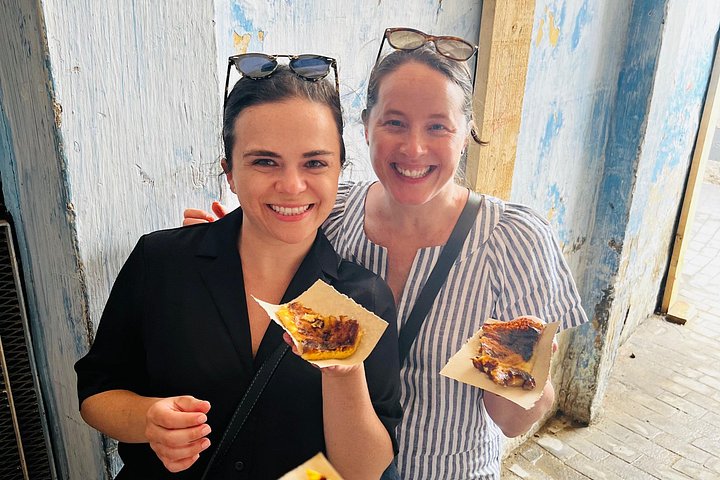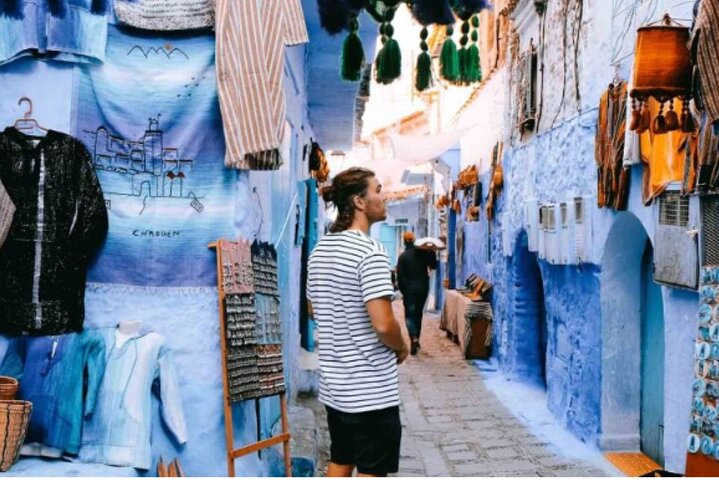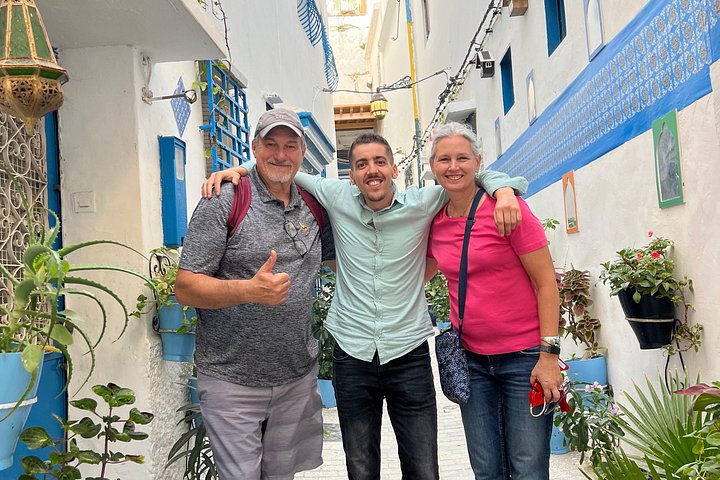
Shopping in a Moroccan souk is part of the experience, but it can also be intimidating. Prices are rarely marked, vendors are persuasive and it is not always obvious what is local craft and what is imported. A guided shopping tour with a local solves that. Your guide takes you through the markets of Tangier, introduces stalls and workshops they trust, explains what you are looking at and coaches you on how to bargain with good humour. Leather, ceramics, spices, textiles, lamps and slippers are all on the list, and you can steer the tour to what interests you. The result is a more relaxed and more informed shopping experience, with a better chance of coming home with something you really love at a price that feels fair, and with a few stories about where it was made.
Tangier's markets are lively but compact, and they reward a guide who knows the layout. Typical routes begin near the Grand Socco, enter the medina through the arch and follow the lanes down towards the Petit Socco, passing the covered food market, craft stalls and small workshops on the way.
Along the route a guide can point out the difference between machine-made and handmade goods, explain which materials are typical of the region and show you where artisans are at work. In some shops you can see leather slippers being stitched or metal lamps being hammered, which adds context to what you buy.
Bargaining is expected in most stalls, and a local guide can explain the etiquette. The usual approach is friendly and unhurried: ask the price, make a counter offer, take your time and be ready to walk away politely if it does not suit you. Tea may be offered, and accepting it does not oblige you to buy.
A guide helps you judge what is reasonable, and the presence of a local often calms the process. Decide in advance how much you want to spend, carry small notes in dirhams, and keep your valuables secure in crowded lanes.
The tour also doubles as an orientation, because you leave with a clearer sense of the medina's layout and the confidence to return on your own. It pairs well with a food tour or a walking tour, and it is a good plan for the last day of your trip, when you want to buy gifts without the stress.
Ask about shipping if you plan to buy large items such as carpets or furniture, and agree on any commission arrangements in advance with the guide, so there are no surprises. Dress modestly, wear comfortable shoes and bring a sturdy bag.
To get the most from the tour, tell your guide in advance what you are hoping to find, whether that is a leather bag, a rug, a tagine pot, spices or small gifts for friends. A focused list lets the guide skip stalls that do not suit and spend more time on those that do. Take photographs of items you like before you decide, compare prices across two or three stalls, and remember that the goal is a fair price you are happy with, not the lowest possible number.
What to expect
The experience
A guided walk through the medina markets with a local who introduces trusted stalls, explains crafts and helps with bargaining.
Best time
Morning to early afternoon, when the stalls are open and the lanes are busy but manageable.
How long
Two to three hours, depending on how much you want to buy.
Tips
Set a budget, carry small dirham notes, dress modestly and ask about shipping for larger items.
Quick picks
- Best for
- Visitors who want to shop with confidence and learn how the souks work.
- Families
- Fine for children who can handle crowded lanes; keep a close eye on them in busy stretches.
- Couples
- A fun, low-pressure way to pick out souvenirs and gifts together.
- Pair with
- The Tangier Food and Souk Tour or the Medina and Kasbah Guided Walk.
- Time needed
- Allow three hours with tea and browsing.
Good questions
Do I have to buy anything?+
No. You can browse and decline politely. Accepting tea does not oblige you to purchase.
How does bargaining work?+
Ask the price, offer less, and meet in the middle with a smile. Walking away politely is part of the process.
Can I ship large items?+
Many shops arrange shipping, but agree the cost and details before you pay.
What should I carry?+
Small notes in dirhams, a sturdy bag and a card for larger purchases where accepted.
Is it safe?+
The medina is busy, so keep bags zipped and valuables secure, as in any crowded market.