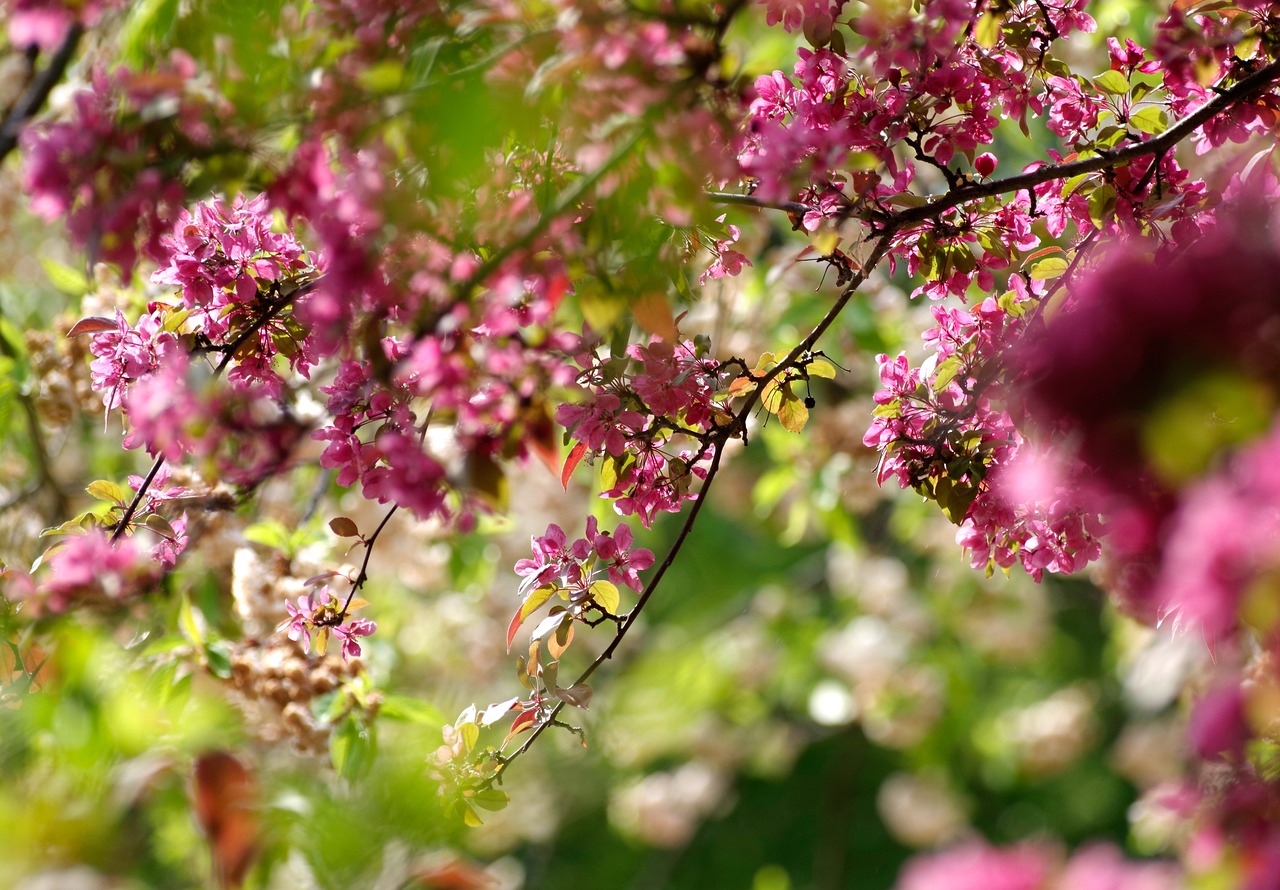
High Park is Toronto's great green lung and its most complete free day: 160 hectares rolling west-end hills between Bloor Street and the lake — the city's largest downtown-reachable park (the subway stops at its gate) — layering the attractions a park system usually spreads across a city: the cherry blossoms (the Sakura trees gifted by Japan in 1959 line the hillside above Grenadier Pond — late April-early May's bloom is the city's hanami: tens of thousands pilgrimage, the park closes to cars at peak, and the dawn visit is the only calm one; the bloom-watch is local news every spring), the High Park Zoo (free and beloved since 1899 — bison, llamas, highland cattle, peacocks and the capybara paddock whose 2016 escape saga made international news and permanent local legend; the llama-and-yak hill is every west-end childhood), Grenadier Pond (the park's western water — swans and herons, anglers, winter's informal skating lore, and the waterfowl theater year-round), the black-oak savanna (a third of the park is remnant oak savanna — one of Ontario's rarest ecosystems, burned deliberately in spring prescribed fires that make local headlines; the wildflower understory peaks June), the Shakespeare-in-High-Park amphitheater (the Canadian Stage summer tradition — pay-what-you-can Bard under the stars, July-August: the city's best outdoor theater habit), the Jamie Bell adventure playground's castle (the community-built wooden fortress — the under-tens' pilgrimage), trails and bike loops threading it all, and the allotment-and-ornamental gardens' maple-leaf floral clock kitsch. The craft: cherry week needs strategy (dawn or late evening, transit only — the Bloor subway's High Park station lands at the gate), summer Sundays fill the picnic hills (the park absorbs them), the zoo's llama paddock runs morning-active, Shakespeare's rush line forms early on fine evenings, and autumn's oak-and-maple turn (late October) is the sleeper season. Free entirely — park, zoo, blossoms and all — and the pairing writes itself: Roncesvalles' Polish-café village borders it east, the lakeshore's Sunnyside boardwalk below, and the Junction's brewery tier north. Fit: families (zoo-playground-pond circuit), couples (blossoms and Bard), the nature chip's in-city answer, and every spring visitor whose dates brush the bloom.
The park's history is a Victorian gift that kept growing: John Howard — the city's first architect — deeded his Colborne Lodge estate in 1873 on conditions (free forever, no alcohol — both largely honored; the lodge museum anchors the south hill), the city assembled the rest, and the 20th century layered the institutions: the 1899 animal paddocks' evolution into the free zoo, the 1959 Sakura gift (Japan's thank-you for Toronto's postwar resettlement of Japanese-Canadians — the blossoms carry the history; later plantings expanded the grove), the savanna's recognition era (the prescribed-burn program restored the fire-dependent oak ecosystem — the spring smoke columns are stewardship, not emergency), and the community builds (the Jamie Bell castle's barn-raising construction and its arson-and-rebuild saga — the neighborhood rebuilt it bigger within months, twice). The capybara chapter deserves its telling: the 2016 Bonnie-and-Clyde escape (two capybaras loose for weeks, spotted across the west end, trapped at last with corn) made global news and permanent merch — the current paddock's residents remain the zoo's celebrities.
The visit craft by season
Cherry week's dawn strategy (the hillside at 7am belongs to photographers and tai chi; by 11 the queue to walk the grove runs carnival), June's savanna wildflowers (lupine and woodland sunflower under the oaks), summer's Shakespeare rush line (arrive an hour early with the picnic; pay-what-you-can), October's color, and winter's pond-and-sled hills. The family engineering: zoo-playground-pond makes the under-ten circuit (all free), the trackless train's seasonal loop buys back tired legs, and Colborne Lodge's museum hours add the history half-hour. The logistics: High Park station on the Bloor line lands at the north gate (the only arrival worth planning during blossoms), the Roncesvalles streetcar borders east, and parking exists outside peak only.
Practicals and fit
Bloor West at High Park station, free always (zoo included), dawn-to-midnight hours, blossom-week car closures. Fit: families first (the free circuit), couples (blossom dawns, Bard evenings), runners and nature-needers — the city's Central Park claim, earned.
What to expect
The experience
A 160-hectare green lung with a free zoo (capybara celebrities included), cherry-blossom hillsides over Grenadier Pond, rare oak savanna, a castle playground and summer Shakespeare — the subway stops at the gate.
Best time
Late April-early May for the bloom (dawn only for calm — transit, the park closes to cars at peak); July-August evenings for pay-what-you-can Bard; late October for the oak-and-maple turn.
How long
Two to four hours, family circuit or blossom pilgrimage.
Tips
Blossom week: arrive at dawn by subway or accept the carnival. The zoo is free and the llama hill runs morning-active. Shakespeare's rush line forms an hour early — bring the picnic.
Quick picks
- Best for
- Families — zoo, castle playground and pond, all free, all walkable from the subway gate.
- Families
- Bison, capybaras, the wooden castle and the seasonal trackless train — the under-ten circuit complete.
- Couples
- Sakura dawn above the pond, or Bard under the stars with a blanket — the park runs both registers.
- Pair with
- Roncesvalles' café village east; the Sunnyside lakeshore boardwalk below; the Junction's breweries north.
- Time needed
- One unhurried half day, season-timed.
Good questions
When do the cherry blossoms peak?+
Late April into early May most years — the 1959 Japan-gifted grove above Grenadier Pond draws tens of thousands, the park closes to cars at peak, and dawn by subway is the only calm visit; the bloom-watch makes local news.
Is the zoo really free?+
Since 1899 — bison, llamas, highland cattle, peacocks and the celebrity capybaras (the 2016 escape saga made global news) — donation boxes welcome what admission never charged.
What is the savanna?+
A third of the park is remnant black-oak savanna — among Ontario's rarest ecosystems, maintained by deliberate spring prescribed burns (the smoke is stewardship) — with the wildflower understory peaking in June.
How does Shakespeare in the park work?+
Canadian Stage's July-August amphitheater tradition — pay-what-you-can Bard under the stars, rush line forming an hour early on fine evenings; bring the blanket and picnic.
How do we get there?+
The Bloor subway's High Park station lands at the north gate — the only arrival worth planning in blossom season — with the Roncesvalles streetcar bordering the east side.