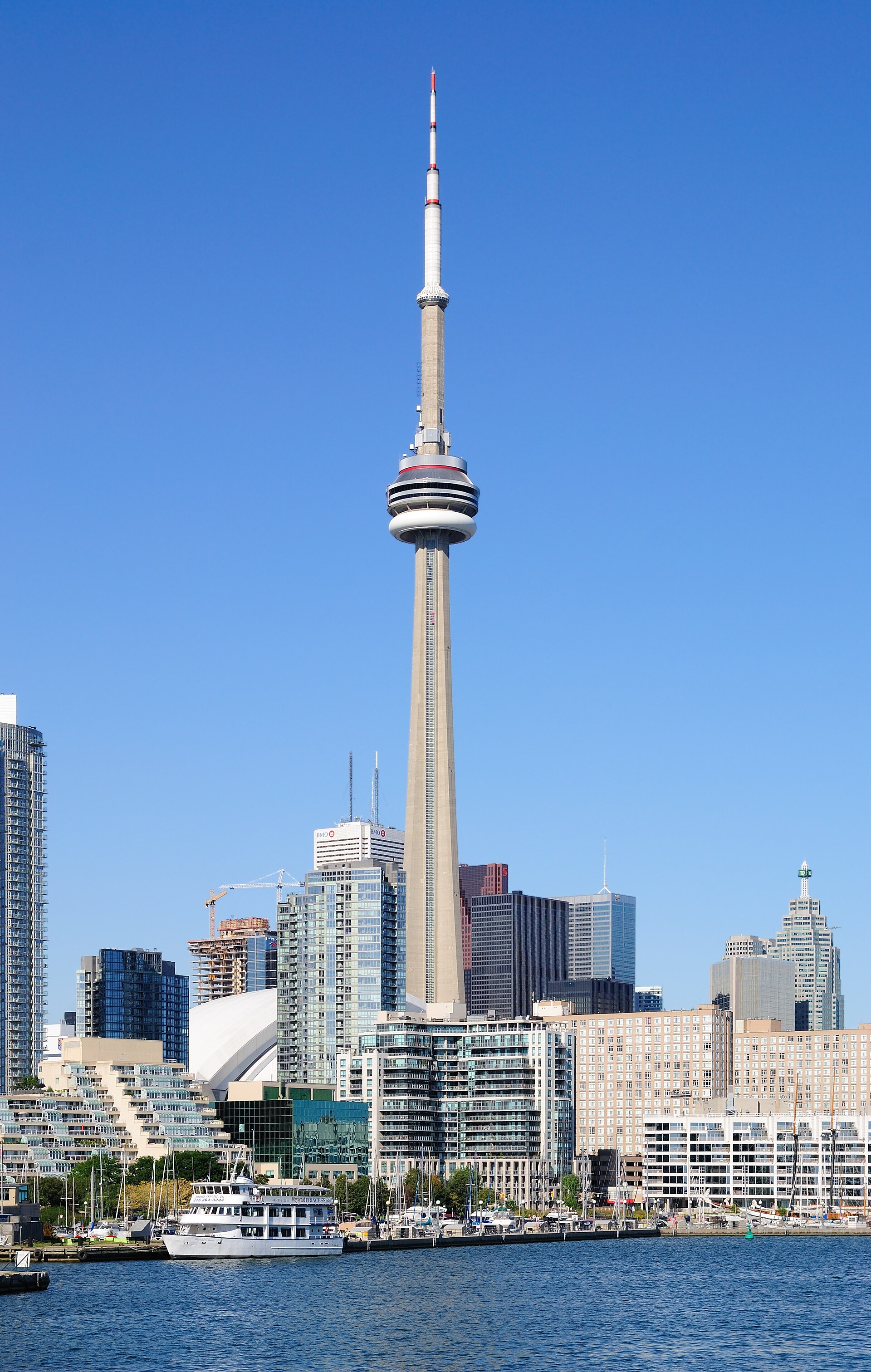
Toronto is a surprisingly good city to explore by bike. The waterfront trail runs along the lake, separated bike lanes link neighbourhoods and ravines slip quietly through the middle of the grid. A guided bike tour combines these into a loop that covers the highlights of downtown, ties them to the city's history and keeps you off the busiest streets. It suits active travellers, families with confident riders and anyone who wants a relaxed way to see more than a walking tour allows, with a local guide explaining how the city grew and what sits behind each landmark.
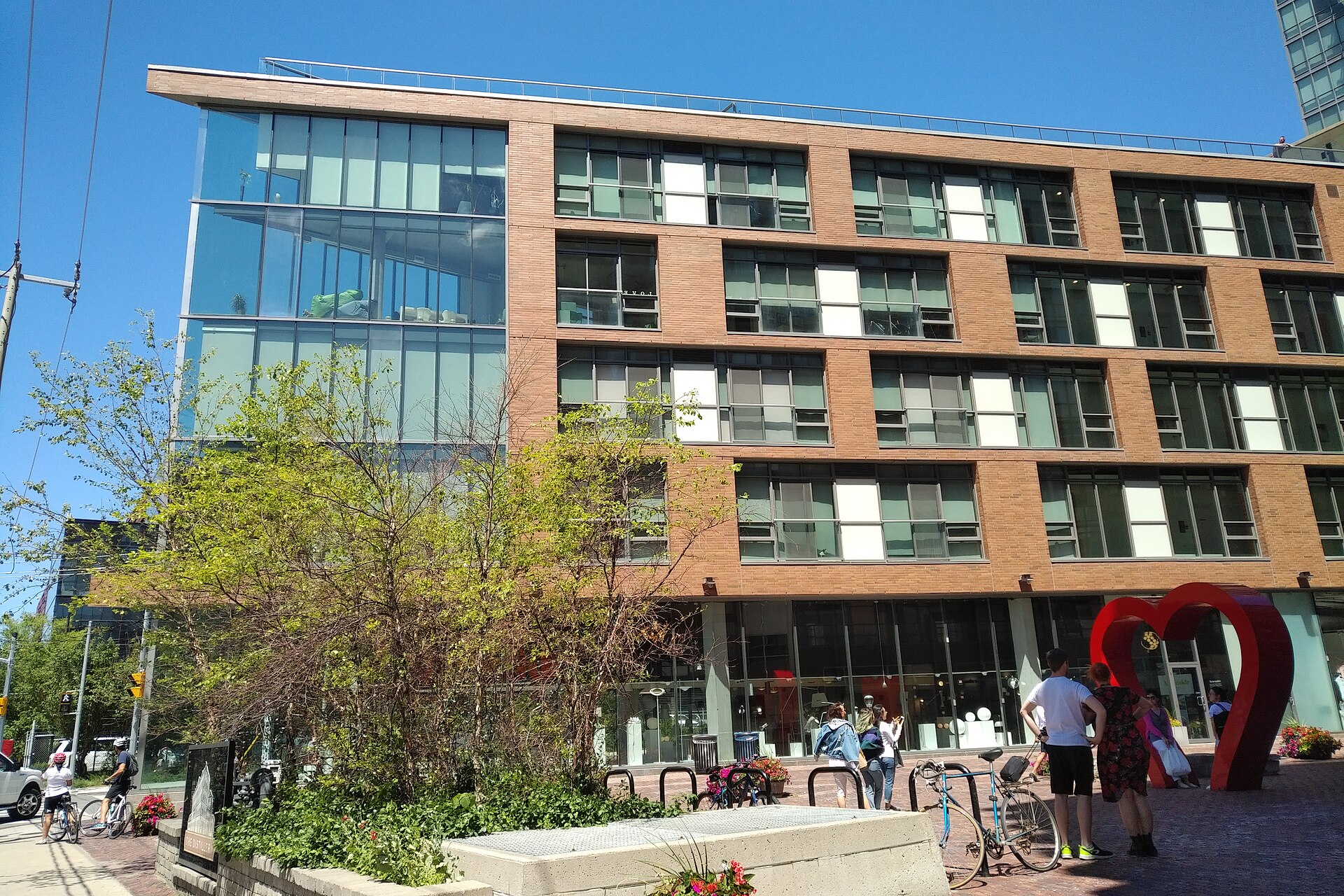
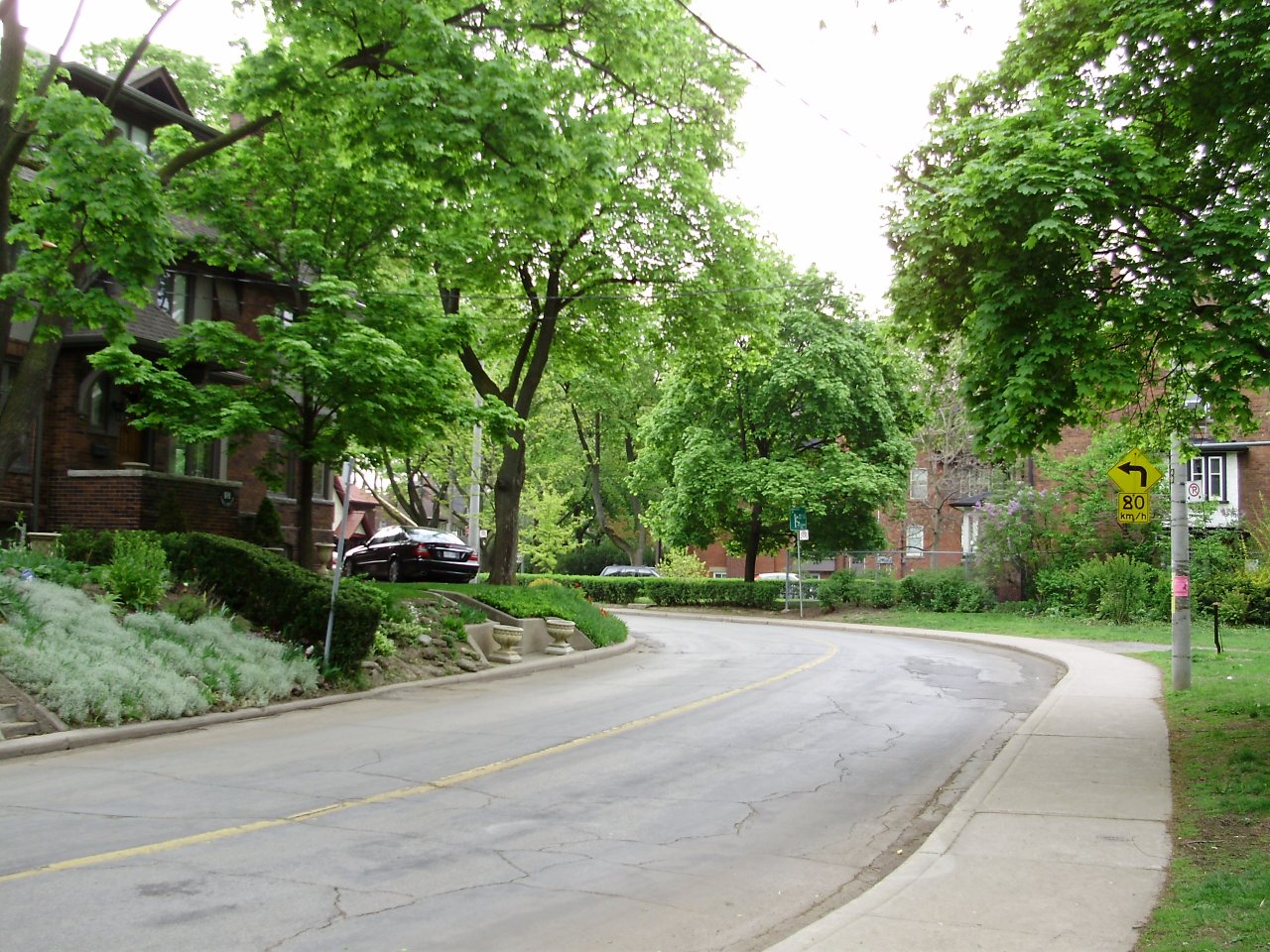
A bike tour changes your sense of scale. Neighbourhoods that seem distant on a map link up easily on two wheels: the waterfront, the Distillery District, the market area, the old Victorian residential streets and the parks all sit within a comfortable ride of each other. Guides choose routes that mix cycle paths, quiet streets and park trails, with stops where they share stories about the city's development, its immigrant neighbourhoods, its lakefront reinvention and the industrial buildings turned into cultural spaces. Expect an easy pace with plenty of pauses for photographs and questions.
The ride suits a wide range of abilities. Routes are generally flat, and guides adjust the pace to the group. Bikes, helmets and a short safety briefing are usually provided, though policies vary, so check what is included when you get tickets. Wear comfortable clothes, closed shoes and sunscreen, and bring water, because the ride runs for a couple of hours. Weather matters: warm, dry days from late spring to early autumn are the most pleasant, while winter conditions make cycling less appealing in the city.
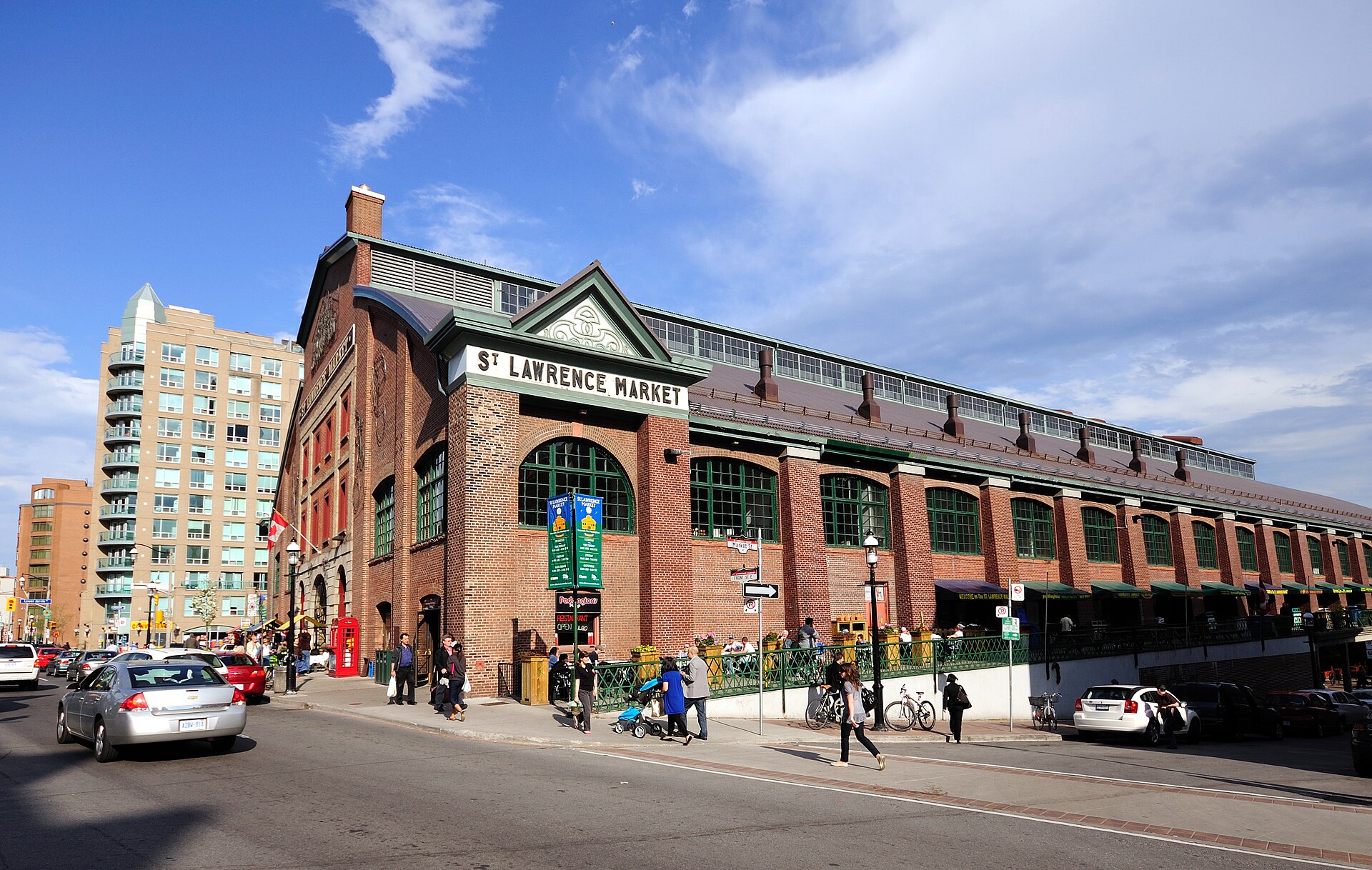
A bike tour fits well on a first or second day, when it provides orientation and helps you decide where to return on foot. It pairs neatly with a stop at St. Lawrence Market for lunch, a wander through the Distillery District or a ferry trip to the islands.
If you are staying in a hotel near the waterfront, a morning ride followed by an afternoon at a museum makes a balanced day. Riders who want to go further can rent a bike afterwards and follow the lakeshore trail east to the beaches or west toward High Park.
What to expect
The experience
Guided cycling tour of downtown Toronto and the waterfront at an easy pace, with stops for history, photographs and local stories.
Best time
Late spring to early autumn on dry, warm days. Mornings are quieter on the waterfront trail.
How long
Roughly three hours including stops, depending on the route and group.
Tips
Wear closed shoes and sunscreen, carry water and check whether helmets and bikes are included. Ride in single file where asked and follow the guide's directions at intersections.
Quick picks
- Best for
- Active travellers who want an orientation ride and a local guide's perspective on the city.
- Families
- Good for older children who ride confidently; check age and size requirements for bikes.
- Couples
- A relaxed way to share the city, with the lakefront and quiet streets as highlights.
- Pair with
- St. Lawrence Market for lunch, the Distillery District, a ferry to the Toronto Islands or an afternoon museum visit.
- Time needed
- About three hours.
Good questions
Do I need to be an experienced cyclist?+
No. Routes are generally flat and the pace is relaxed, but you should be comfortable riding a bike in a group and in traffic-calmed areas.
Are bikes and helmets provided?+
Most tours include bikes and helmets, but check the inclusions when you get tickets and confirm sizing for children.
What areas does the tour cover?+
Typically the waterfront, downtown neighbourhoods, parks and historic areas, with the exact route depending on the operator and season.
Does the tour run in the rain?+
Tours usually run in light rain, but may be cancelled or rescheduled in severe weather. Check the operator's policy.
Can I bring my own bike?+
Some operators allow it, but most tours are designed around their own equipment. Ask when you get tickets.