Toronto is built on a flat plain beside a very large lake, which makes it unusually rewarding from the air. A helicopter flight lifts you over the downtown towers, the harbour, the Toronto Islands and the long lakeshore, and you see how the grid, the ravines and the waterfront fit together. The flights are short and focused, designed to deliver the skyline in a single memorable loop. They suit special occasions, proposals, first-time visitors who want a big view, and photographers, and they pair neatly with a ground-level day exploring the sights you just saw from above.
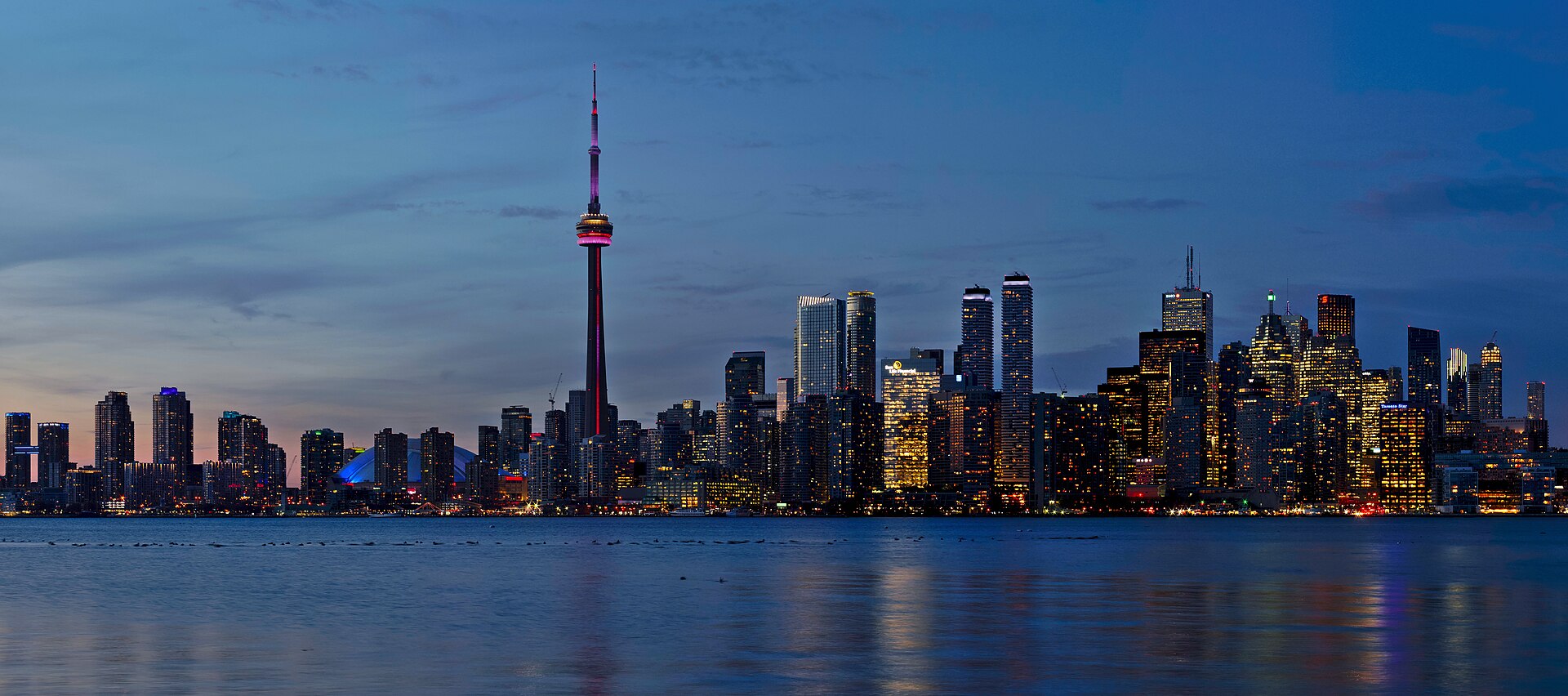
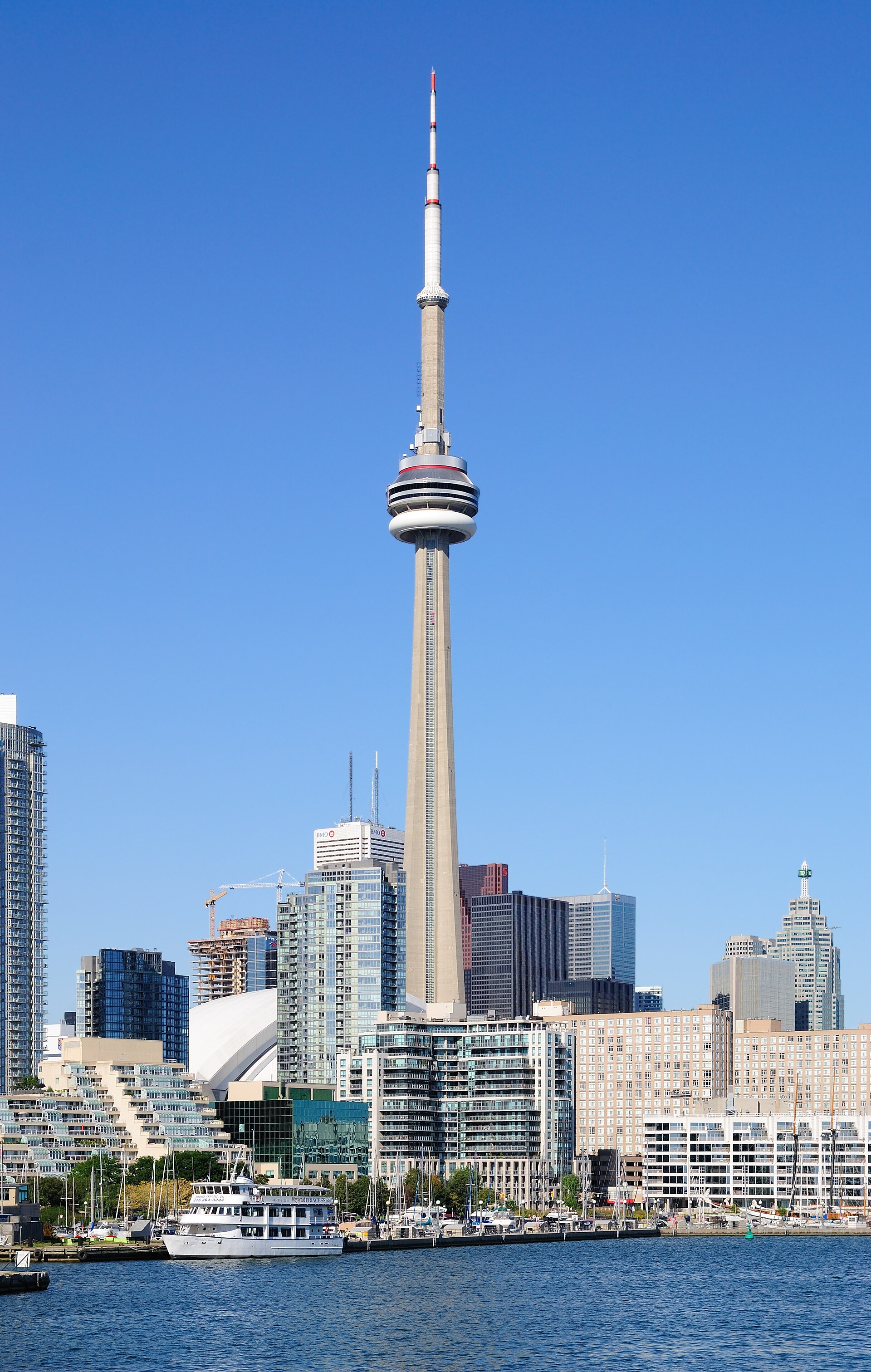
From the air, Toronto's geography makes immediate sense. The tower cluster of the Financial District rises on the north shore, the CN Tower stands apart as the obvious landmark, and the stadium and the railway lands sit at its base. Beyond them the harbour is sheltered by the arc of the Toronto Islands, with the airport on the western end and the beaches and bluffs stretching east.
On a clear day Lake Ontario fills the horizon, and the green ribbons of the Don and Humber ravines show where the city quietly keeps its nature. Photographs from a helicopter are very different from the ones taken at the top of the tower, because you can move and tilt the view.
The experience is built around safety briefings, headsets and a short flight, so the time in the air is brief but concentrated. Seating is arranged so most passengers get a window, and pilots typically point out landmarks on the way. Weather decides everything: clear, calm days produce the best visibility, while low cloud, strong wind or haze can cause delays or rescheduling. Build flexibility into your plan rather than booking it on the last day of a trip, and treat it as a highlight rather than a fixed appointment.
Plan the rest of the day around it. Afternoons often give flattering light on the towers and the lake, and sunset slots, where offered, are popular. Wear layers, avoid loose items that could blow around, and bring a camera or phone with a secure strap. Pair the flight with the CN Tower afterwards to compare the two perspectives, or with a harbour cruise to see the same skyline from the water.
It is one of the pricier experiences in the city, so it is best reserved for a special moment rather than as a routine sightseeing stop.
What to expect
The experience
Scenic helicopter flight over downtown Toronto, the harbour and the lakefront, with a safety briefing and headsets beforehand.
Best time
Clear, calm days for the best visibility. Late afternoon light is flattering on the skyline; check the operator's weather policy.
How long
The flight itself is short; allow extra time for check-in and the safety briefing.
Tips
Build a flexible day around the flight in case weather forces a reschedule. Wear layers, secure loose items, and keep your camera strap tight. Windows can reflect, so dark clothing helps photographs.
Quick picks
- Best for
- Special occasions, proposals and photographers who want the skyline from a vantage no tower can offer.
- Families
- Possible for older children who are comfortable with flying; check age and weight rules with the operator.
- Couples
- One of the most memorable romantic add-ons in the city, especially at golden hour.
- Pair with
- The CN Tower, a harbour cruise, the Toronto Islands and dinner on the waterfront.
- Time needed
- About an hour door to door, including check-in and briefing.
Good questions
What will I see on a Toronto helicopter tour?+
Typically the downtown towers, the CN Tower and Rogers Centre, the harbour, the Toronto Islands and stretches of the Lake Ontario shoreline, depending on the route you choose.
What happens if the weather is bad?+
Flights depend on visibility and wind. If conditions are unsuitable the operator usually reschedules or offers an alternative, so check the policy when you get tickets.
Is it worth the cost?+
It is a premium experience, and best viewed as a special-occasion splurge. If you want a cheaper skyline view, the CN Tower and a harbour cruise are good alternatives.
Can I take photos?+
Yes. Bring a camera or phone with a secure strap, avoid pressing lenses against windows, and expect some glare from the glass.
Are there restrictions for children?+
Operators usually set minimum ages and weight limits. Confirm the rules for your group when you get tickets.