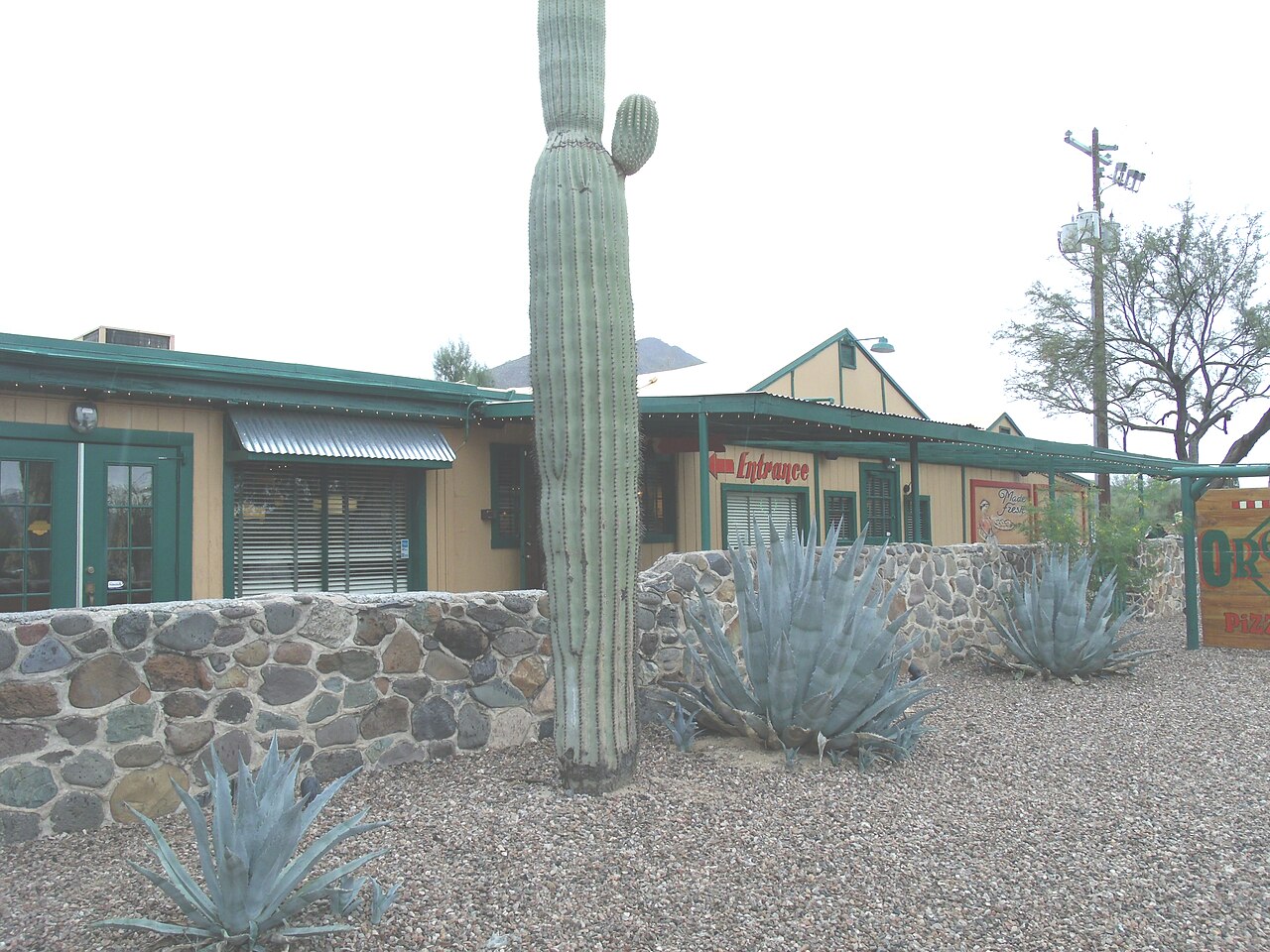
Tucson's food culture is one of the oldest in North America. People have farmed along the Santa Cruz River for around four thousand years, and the city's cuisine layers Native, Spanish, Mexican and Western influences. In 2015 it became the first UNESCO City of Gastronomy in the United States, and eating here is a main reason to visit.
The Sonoran hot dog
The city's signature street food is a bacon-wrapped hot dog nestled in a soft bolillo roll and topped with pinto beans, grilled onions, tomatoes, mayonnaise, mustard and jalapeno salsa. Look for stands and food trucks around town. Order it with a grilled chile on the side and a cold drink, and expect a delicious mess.
Chimichangas and Sonoran Mexican
Several Tucson restaurants claim to have invented the chimichanga, a deep-fried burrito, and you will find it on many menus. Sonoran-style Mexican cooking features large flour tortillas, carne asada, cheese crisps, green corn tamales, red and green chile and machaca. Order a plate of tacos or a burro and watch how the style differs from Tex-Mex.
Desert ingredients
Tepary beans, mesquite flour, prickly pear, cholla buds, saguaro syrup and local wheat appear on menus and at markets. Heritage crops like these have been grown here for centuries, and a visit to Mission Garden near Sentinel Peak shows them in the ground. Look for dishes and drinks that use these flavors, such as prickly pear margaritas and mesquite pancakes.
Where to eat
Downtown and Fourth Avenue offer the greatest concentration of restaurants, from casual taquerias to chef-driven dining rooms. Barrio Viejo and the surrounding area have historic cafes and bakeries. South Fourth Avenue and the south side are home to beloved family-run Mexican eateries. Foothills resorts have polished dining with views. Tucson also has a lively craft beer and mezcal scene.
Take a tour
A guided food walk is the quickest way to taste several places and learn the stories behind them. Tours usually include six or more tastings and cover a lot of ground, so arrive hungry. Combine one with a walking tour of Barrio Viejo for a full day that feeds mind and stomach.
Hours and habits
Many local favorites are casual and cash-friendly, and some close early or on certain days, so check before you go. Breakfast and lunch are often the best meals at traditional spots. Dinners can be busy in winter, so book popular restaurants ahead. Dress casually, but bring a light layer for air-conditioned dining rooms.
Dietary needs
Vegetarian and gluten-free options are easier to find than you might expect, especially at modern restaurants, although traditional spots rely heavily on meat and flour tortillas. Ask about lard in beans and tortillas if it matters to you. Tour operators can often adapt to restrictions with notice.
One-day eating plan
Begin with a Sonoran breakfast of huevos rancheros or a breakfast burro. Lunch on a cheese crisp or tamales. Mid-afternoon, snack on a Sonoran hot dog. Dinner at a chef-driven restaurant using desert ingredients, and finish with a prickly pear cocktail. That is Tucson in a day.
Drinks and sweets
Tucson has a thriving craft beer scene, and mezcal and bacanora, a regional agave spirit from neighboring Sonora, appear on many cocktail lists. Try a prickly pear margarita or a horchata to cool off, and look for paletas, churros and Mexican pastries at bakeries. Coffee roasters and cafes are plentiful downtown and near the university. If you want a quiet end to the evening, find a patio with string lights and a plate of cheese crisp and watch the stars appear.
Markets and bakeries
Farmers markets across the city sell heritage produce, tamales, breads and prickly pear products, and are a great way to meet growers. Look for tortilla factories and panaderias, where fresh flour tortillas, conchas and empanadas make a cheap, delicious breakfast. Buying a bag of tepary beans or mesquite flour is also a good souvenir that brings the flavors of the Sonoran Desert home.
A word on etiquette
Many small restaurants are family-run and busy at lunch, so patience pays. Tipping is customary at sit-down places and at tour stops. If you try a new dish, ask the staff how they like to eat it, since locals love to share their preferences. Bring cash for food trucks and taco stands, which sometimes do not accept cards, and enjoy the casual spirit of eating well in Tucson.