Freediving is the art of descending underwater on a single breath, and the clear, still water of a Tulum cenote is an ideal place to learn it. This beginner introduction teaches the essentials of breathing, relaxation, equalization and safety, then takes you into the water for supervised practice, working toward comfortable, controlled dives. There is no tank, no regulator and no need for scuba certification, only a willingness to slow down and trust your body. For many guests it becomes the most calming activity of their trip, and it offers a very different view of the cenotes from snorkeling or cavern diving.
The experience begins on the surface. An instructor explains how breath-hold diving works, how the body responds to pressure and why relaxation matters more than strength. You will practise slow breathing, learn how to equalize your ears and sinuses and how to use a streamlined body position to move through the water with minimal effort. Safety is built into every step, and freediving is never done alone, so a buddy and instructor stay close at all times.
The aim is not to chase depth or breath-hold records but to feel at ease in the water, and many students find their first controlled descent to be quietly moving, with sound fading and the world narrowing to light, water and your own heartbeat.
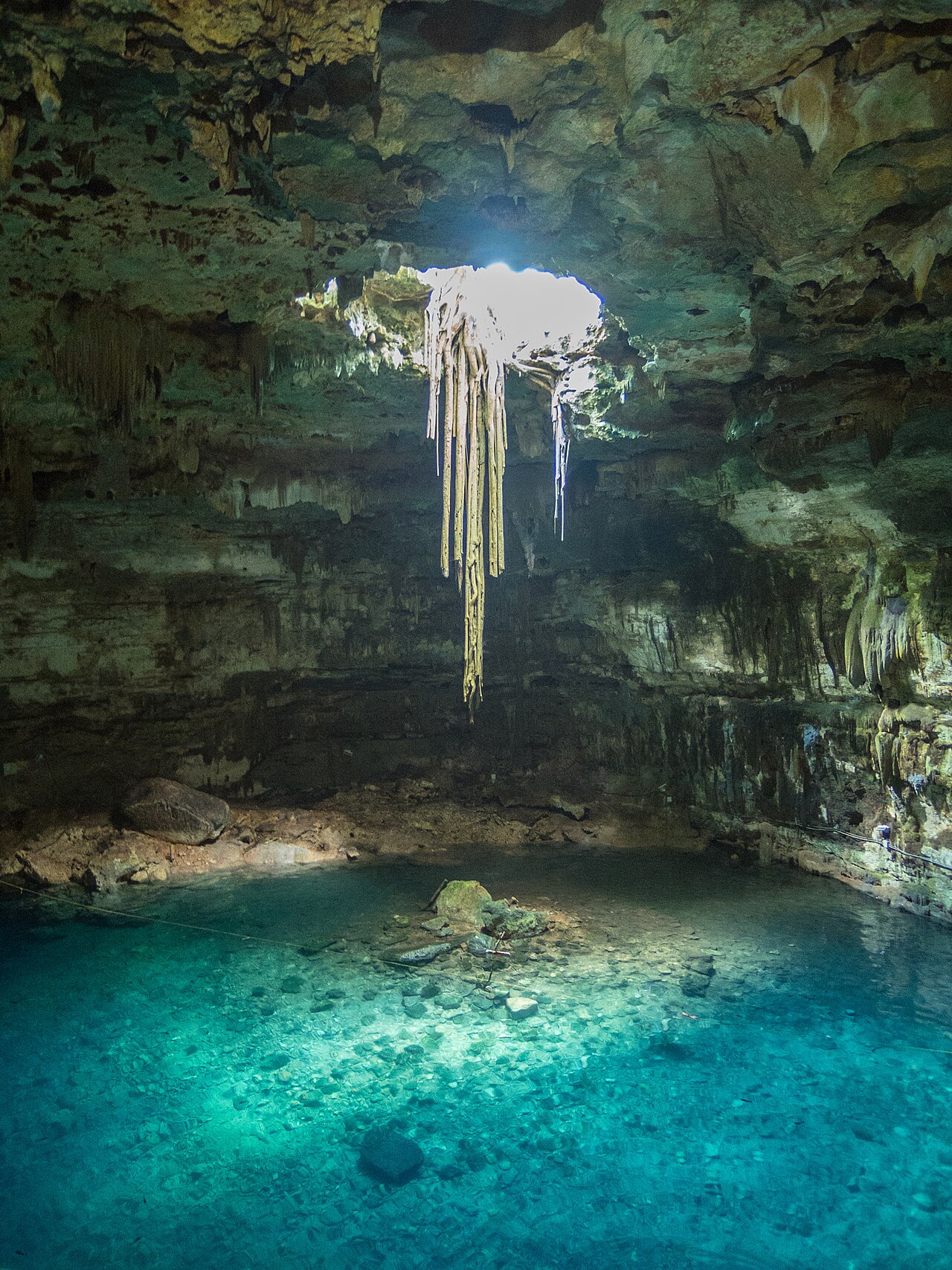
The cenote setting adds to the experience. Water in many Tulum cenotes is freshwater, very clear and calm, with excellent visibility that lets you watch the walls, roots and light beams from below. There are no waves, no current and usually no boats, which makes it a perfect classroom. Depending on the site, you may have the chance to dive along a rope line, look into a small cavern entrance from the open water or float quietly in the open sinkhole while the instructor demonstrates techniques.
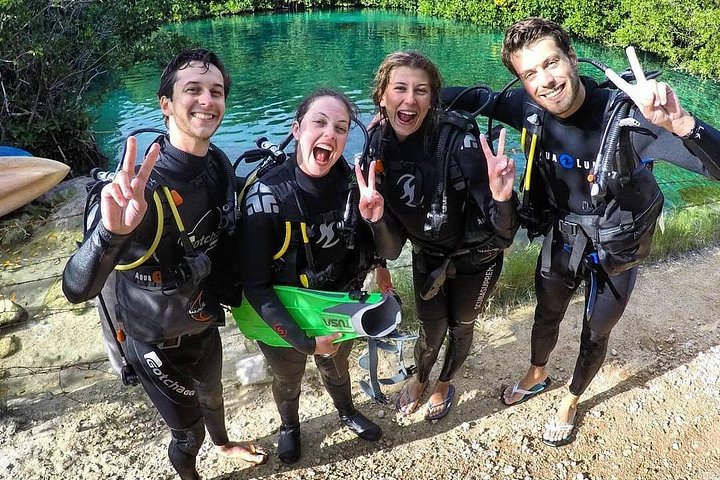
The temperature is cool but comfortable for most, and a wetsuit or rash guard is often provided or recommended, so ask about the equipment.
Prepare sensibly. Eat a light meal a couple of hours beforehand, avoid alcohol the day before and stay hydrated. If you have ear, sinus, heart or lung conditions, or you are pregnant, speak to the operator before booking, because pressure and breath-hold diving need medical caution. Bring a swimsuit, towel, a change of clothes and biodegradable or no sunscreen, since cenotes protect delicate ecosystems and many ask guests to rinse off first.
Good swimming ability helps, as does a curiosity about breathing and relaxation techniques, and a calm attitude matters more than athletic skill. Listen to the instructor, move slowly and never push beyond your comfort level.Consider what you will take away.
Many introductory sessions give you the foundation of a freediving certification course, and some students continue to a multi-day course on the same trip, while others simply enjoy the day as a one-off experience. Even if you never freedive again, the breathing and relaxation techniques can improve your snorkeling, make you calmer in water and give you a new appreciation of the underwater world.
Check the group size, which is typically small, and the schedule, since morning sessions have the best light and fewest visitors. Check the cancellation policy and the equipment included when you book, and plan a relaxed afternoon afterward, because the combination of breathing practice and cool water can leave you pleasantly drowsy.
What to expect
The experience
A beginner freediving introduction in a cenote, with surface theory, breathing and equalization practice and supervised dives.
Best time
Morning, for the best light and quietest water.
How long
Around four hours including instruction.
Tips
Eat lightly, stay hydrated, tell the instructor about any ear, sinus or health issues and avoid sunscreen in the water.
Quick picks
- Best for
- Calm, curious travelers who want something different from snorkeling.
- Families
- Suitable for older teens who swim well; check the minimum age.
- Couples
- A shared, peaceful experience in beautiful water.
- Pair with
- A floating breakfast, temazcal or relaxed afternoon in town.
- Time needed
- A morning.
Good questions
Do I need scuba certification?+
No. Freediving uses no tank, and the introduction is for complete beginners.
How deep will I go?+
Depth is gradual and depends on your comfort. The focus is on technique and safety, not records.
Is it safe?+
It is when done with qualified instructors and buddy procedures, which is why you should not freedive alone.
Who should not do it?+
People with certain ear, sinus, heart or lung conditions, or pregnancy, should check with the operator and a doctor first.
What should I wear?+
A swimsuit, with a wetsuit or rash guard if provided. Avoid sunscreen in the water.