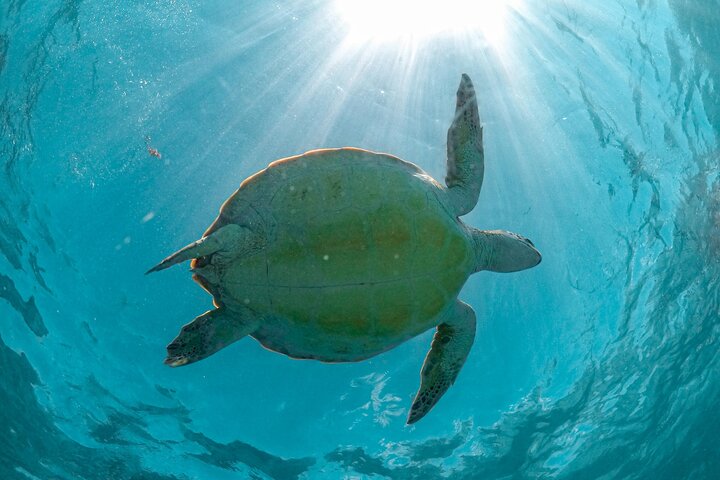
Most visitors come to Tulum for the ruins and the beach, but the surrounding landscape is one of the richest natural areas in Mexico. Within an hour of town you can find a UNESCO biosphere reserve, a community-run monkey sanctuary, a turtle-filled bay, mangrove channels, jungle lakes and hundreds of freshwater cenotes. This guide is for travelers who want to put wildlife and quiet at the center of the trip, with advice on timing, combinations and how to visit responsibly.Start with Sian Ka'an. The Sian Ka'an Biosphere Reserve is the anchor of any nature-focused visit. It covers a vast area of coast, lagoons, mangroves and tropical forest, and it is home to a wide range of birds, fish, reptiles and mammals. Boat trips take you through channels and lagoons with chances to snorkel, spot dolphins or manatees on lucky days and watch frigatebirds and herons. Birdwatching tours and sunrise kayaking offer a more intimate way in, with fewer people and better odds of seeing active wildlife. Go early whichever route you choose, because the light, temperature and birdlife are best in the first hours of the day.Add Muyil for the ruins-and-lagoon combination. The Muyil site sits at the edge of the reserve and links ancient architecture with a jungle trail that leads to a lagoon and canals. It is quiet compared with Tulum and Coba, and it pairs naturally with a boat or float trip through the old Maya waterways. If you want history and wildlife in the same morning, this is the most efficient way to get both without a long drive.Visit the spider monkeys at Punta Laguna. The community-run reserve near Coba is the best place in the area to see wild spider monkeys, and its guides know the forest and the animals well. The best time is early morning, when the troop is active. Trails are natural, so wear closed shoes and long light clothing, and treat the experience as a quiet walk rather than a performance. Many travelers pair it with the Coba ruins, which are close by, making a satisfying inland day of history and nature.Swim with turtles responsibly. Akumal Bay is famous for green sea turtles that graze on sea grass in shallow water. The turtles are wild, and the bay has rules about guides, distance and sunscreen, so use a reputable operator, stay well away from the animals, never touch or chase them and avoid standing on the sea grass. If conditions are poor or the bay is crowded, consider a calmer snorkeling spot such as a lagoon or a quiet stretch of reef where you can enjoy the fish without crowding wildlife. Mornings are better for visibility and for fewer people.Use cenotes as nature stops, not just swimming holes. Cenotes are fragile ecosystems with their own fish, bats, birds and plant life. Choose quieter sites, go early, rinse off before entering and avoid lotions. Open cenotes ringed with trees are good for birds, while cavern cenotes offer stalactites and a feeling of the underworld. A paddle or a slow float, rather than a rush from one site to another, lets you notice more. If you are a certified diver, cavern and cave diving open a completely different world, but they require proper training and a qualified guide.Time your days. Wildlife is most active at dawn and dusk, and the heat peaks in the middle of the day. A good rhythm is to do your nature outing early, have lunch and a rest in the hottest hours and then enjoy the beach or a cenote late in the afternoon. Wet-season months bring lush forest and more insects, while the dry season is easier for trails and visibility, and migratory birds add interest in the cooler months. Check conditions with your operator and keep a flexible plan, since weather can change the best order of days.Pack and behave well. Bring binoculars, a zoom lens, repellent, a hat, reef-safe sunscreen and refillable water. Wear neutral clothing and shoes that handle mud. Keep your voice low, stay on trails, take your rubbish with you and never feed wildlife. Choose local, small-group operators where you can, since they usually offer better guiding and keep the impact lower. Respect the communities who manage many of these sites by paying entry fees, tipping guides and buying local crafts.A sample nature itinerary. Day one: sunrise kayak or birdwatching in Sian Ka'an, a late breakfast in town and an afternoon on the beach. Day two: an early drive to Punta Laguna for the monkeys, followed by the Coba ruins and a cenote swim. Day three: a calm snorkel in Akumal or a lagoon, then a slow evening with dinner in town. Add a quiet cenote visit or a boat day if you have more time, and keep a rest day for the beach. Together these outings show a different Tulum, one where the jungle and the sea are the main attractions and the crowds are far away.
Tulum guide
Tulum for Nature Lovers
Where to find monkeys, birds, turtles and wild water around Tulum, how to time each outing and how to combine them into a nature-focused trip that avoids the busiest hours.
Mentioned in this guide
Sian Ka'an Sunrise Kayak
Paddle through the still waters of the Sian Ka'an biosphere reserve at sunrise, with mangroves, birds and golden light for company, a quiet and unforgettable start to the day.
Sian Ka'an Birdwatching
A small-group birdwatching morning in the Sian Ka'an biosphere reserve with a professional guide, searching wetlands and forest edges for herons, kingfishers, raptors and Yucatan specialties.
Punta Laguna Spider Monkey Reserve
A community-run jungle reserve near Coba where spider monkeys swing through the canopy above a quiet lake, with a canoe ride and a cenote swim on the same morning.
DoAkumal Bay Sea Turtles
Snorkel above grazing green sea turtles in a sheltered bay north of Tulum, with guides, life jackets and rules that keep the animals safe and the encounter unforgettable.
Ahau Tulum
A beachfront hideaway on the Tulum beach road, with natural materials, palm-shaded grounds and a relaxed, barefoot style that suits couples and wellness-minded travelers.
Hotel Esencia
A refined, villa-style beachfront hotel in Xpu-Ha, north of Tulum, offering a quiet white-sand bay, elegant suites, a serene spa and a calm alternative to the beach-road scene.