Jinja is known as the adventure capital of East Africa, but the town itself deserves a slow walk. It grew in the early twentieth century as a centre for cotton, sugar and, later, hydropower, and its centre still shows the legacy of that time in Indian-era shopfronts, colonial buildings, mosques and temples that sit side by side. A guided cultural and historical walk brings these layers together and explains how the town changed after independence and the expulsion of Asian residents in the 1970s. This tour is a walk through central Jinja. A guide takes you past markets, old arcades and workshops, to the lakeshore and to local landmarks, with stops for snacks and chats with traders. The pace is easy, the streets are flat and the route is short, so it fits into a morning or an afternoon between rafting and rest. Walks like this complement adventure days well, since they show the community behind the river activities and bring more of your spending to local guides and businesses.
What you will see
Main Street and its side lanes hold the old Asian-built shops, with decorative facades and verandas, as well as the central market, where stalls sell vegetables, fabrics, tools and household goods. Mosques, temples and churches show the town's mix of communities, and guides explain the Owen Falls dam and how the Nile's power shaped local industry. Along the way you may try roasted maize, fresh juice or a rolex.
Why a guide helps
Jinja's history is easy to miss, because many buildings are modest and plaques are rare. A local guide shares family stories, explains how neighbourhoods developed and points out details like old signs and architectural features. Guides also help you buy crafts and snacks at fair prices and avoid awkward moments.
Practical advice
Wear a hat, sunscreen and comfortable shoes, and carry water. The best times are morning and late afternoon, when it is cooler and streets are lively. Keep valuables out of sight, and carry small notes. A typical walk takes two to three hours.
Pairing ideas
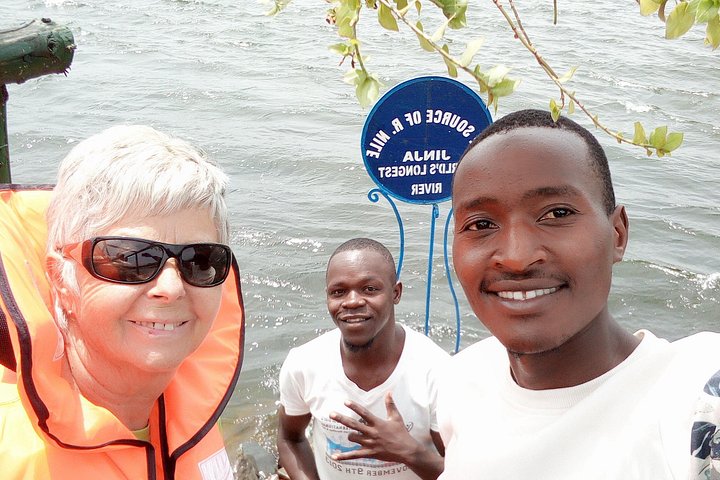
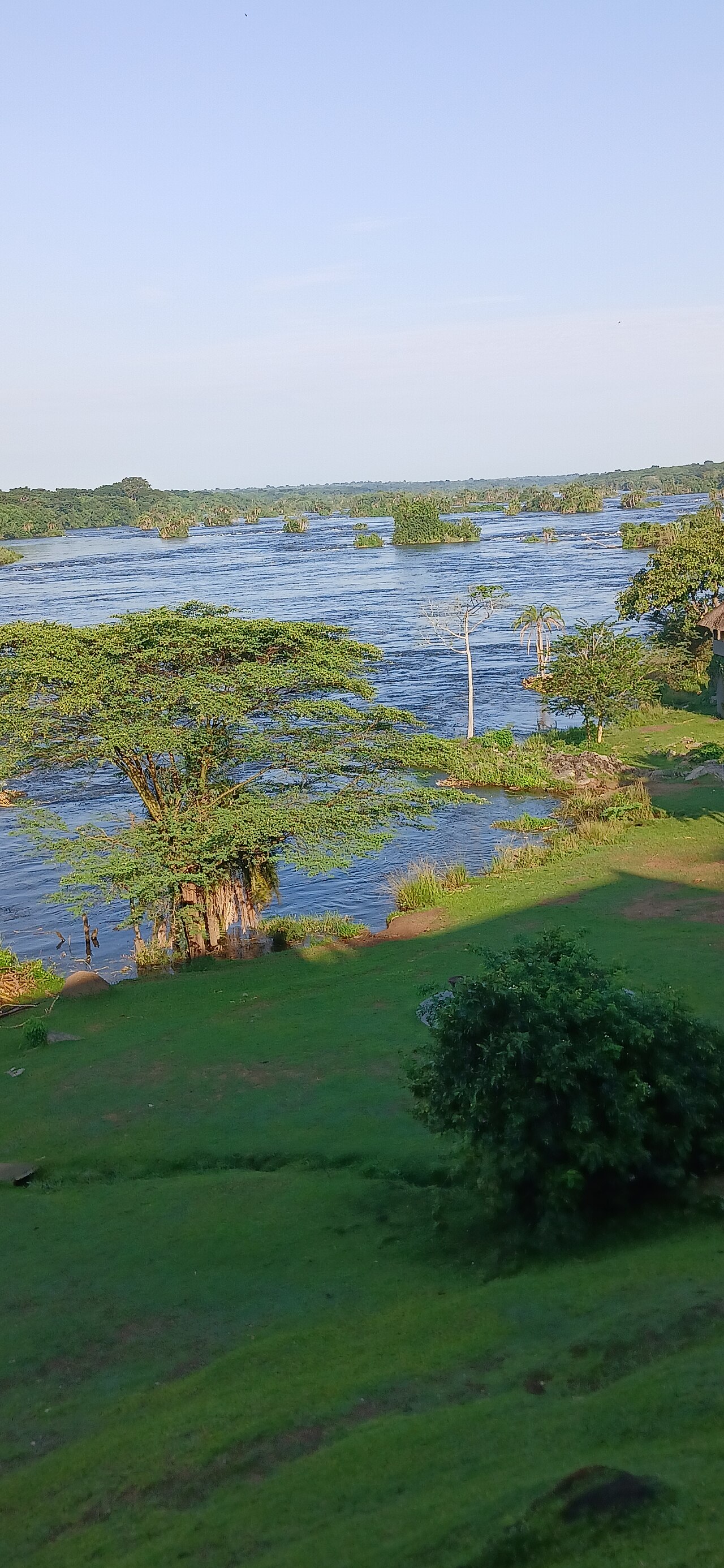
Add a bike tour for a wider look at the town, or the Source of the Nile viewpoint, which is a short drive away. After a walk, sit down for a meal at one of Jinja's riverside or town-centre cafes. Many travellers combine a walking tour with a morning of rafting or tubing for a balanced day that mixes adrenaline and culture.
Stories behind the streets
Many of Jinja's buildings were built by Indian merchants who arrived in the early twentieth century, and their family names still appear above doorways. After the 1972 expulsion, businesses were taken over, and in recent decades some families have returned, bringing a quiet revival. Guides often mention the Nile's role in nineteenth-century exploration and the debate over the river's source, which ties the town to the larger Nile story. A stop at a roadside stall for chapati and tea is a good way to finish and to chat with locals.
What to expect
The experience
A guided walk through Jinja's town centre, markets, old shopfronts and lakeshore, with local history and stories.
Best time
Mornings and late afternoons, when it is cooler and the streets are busy.
How long
Two to three hours.
Tips
Wear a hat and comfortable shoes, carry water and small notes, and ask your guide for snack recommendations.
Quick picks
- Best for
- Travellers who want to see Jinja beyond the river activities.
- Families
- Flat, easy walking that suits children who like markets.
- Couples
- A gentle culture break between adventure days.
- Pair with
- Source of the Nile, Nile tubing or rafting, and an e-bike tour.
- Time needed
- A half day.
Good questions
Is Jinja worth a walk?+
Yes, the old town has interesting architecture, markets and history that most adventure visitors miss.
How long is the tour?+
Usually two to three hours.
Is the route difficult?+
No, it is mostly flat and slow paced.
What should I bring?+
A hat, sunscreen, water, comfortable shoes and small notes.
Can I combine it with rafting?+
Yes, many travellers do a walk on a rest day or in the late afternoon after an activity.