The Waco Suspension Bridge is the city's most photographed historic landmark. Completed in 1870, it spans the Brazos River with towers of brick and cables supplied by the firm of John A. Roebling, the family behind the Brooklyn Bridge, and for a time it was the longest single-span suspension bridge west of the Mississippi. Cattle drives along the Chisholm Trail used it to cross the river, and the crossing helped Waco grow as a trading center. Today the bridge is open to pedestrians, linking Indian Spring Park on the downtown side with Touchstone Park across the river, and it is especially pretty at sunset and after dark when it is lit. The surrounding riverwalk offers shaded paths, benches and views of the Brazos, making the area a natural spot for an easy stroll, a picnic or a few photographs between downtown stops.
The walk across is short, but it is worth slowing down to read the plaques about the bridge's history and to look at the cables, towers and water below. On the downtown side, the park has open lawn and sculptures, including art that recalls the cattle drives. From the bridge, you can follow riverside paths in either direction, joining the longer trail system used by walkers, runners and bikers. Early morning and early evening are the most comfortable times in warm weather.Photographers enjoy the changing light on the water and the glow of evening lights.
Those who like a little exercise can combine the bridge with a longer riverwalk of a few miles, perhaps ending at a cafe or brewery downtown. There are events and festivals in Indian Spring Park through the year, so check the city or tourism sites for current dates. Parking is available downtown, and the bridge is easy to reach on foot from several nearby attractions.
Practicals and fit
The bridge and park are free and open to everyone, with paths that are mostly level and suitable for strollers. Bring water and sun protection in summer, and mind the river's edge with young children.
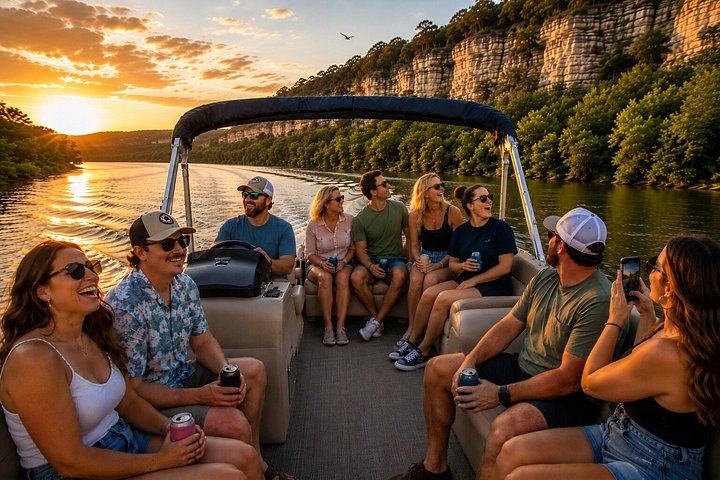
It is a natural pairing with the Dr Pepper Museum, the Silos and downtown lunch spots. If you take a boat adventure on the Brazos, you will see the bridge from the water, which gives a new perspective on its design.The history is worth a moment. Before the bridge, crossing the Brazos at Waco meant a ferry, which limited trade and travel. The bridge company raised money, hired engineer Thomas Griffith and opened the span in 1870 with a toll, a toll that helped fund its upkeep and pay back investors.
Over the decades, the bridge carried wagons, early cars and cattle before being closed to vehicles and restored for pedestrians, with a major renovation that preserved the original design. The brick towers and cable details are the original character of the structure, and bronze sculptures in the park nearby capture the cattle drive years.
The riverfront has seen steady investment in recent years, with trails, public art and events, so it is worth checking for a festival or concert that might coincide with your trip. Evening visits feel especially relaxed, with joggers, families and couples sharing the bridge.
What to expect
The experience
A free pedestrian crossing of the Brazos River on an 1870 suspension bridge, with parks and riverwalk paths on both banks.
Best time
Early morning or sunset; the bridge is lit at night.
How long
About an hour with the riverwalk.
Tips
Wear comfortable shoes, bring water in summer and read the plaques for the story of the cattle drives.
Quick picks
- Best for
- First-time visitors who want the signature Waco photo.
- Families
- Level paths and open lawns suit children.
- Couples
- A sunset stroll with a river view.
- Pair with
- The Dr Pepper Museum or a Brazos boat adventure.
- Time needed
- About an hour.
Good questions
When was the Waco Suspension Bridge built?+
It opened in 1870.
Can I walk across it?+
Yes, it is open to pedestrians.
Is it free?+
Yes, the bridge and the riverfront parks are free.
When is the best time to go?+
Sunset and evening, when the bridge is lit, or early morning in summer.
Is it near other attractions?+
Yes, it is close to the Dr Pepper Museum and downtown restaurants.