Xiamen has a humid subtropical climate shaped by the sea. Winters are mild, summers are hot and humid, and spring and late summer bring rain and occasional typhoons. There is no single perfect season, but some periods are clearly more comfortable than others, and holiday timing matters as much as the weather.
Autumn
Autumn is often considered the best season. Temperatures ease, humidity drops and skies are clearer, which suits walking on Gulangyu, visiting gardens and taking long day trips. The sea is still warm enough for beach time on nearby islands in early autumn. Expect busy weeks around national holidays, so book ferries, hotels and tours early.
Winter
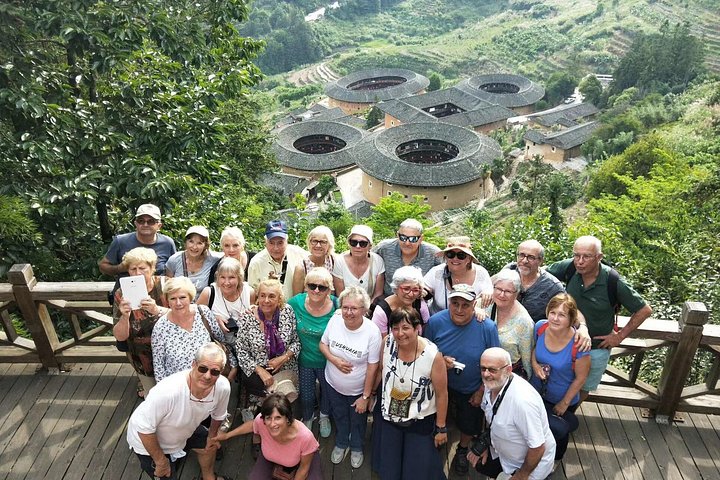
Winters are mild by northern standards, though it can feel damp and cool in the hills. This is a comfortable time for the tulou, because the drive and walking are easier without summer heat, but mornings in the mountains can be chilly. Crowds are lighter outside the new year and lunar new year periods, and hotel rates can be attractive.
Spring
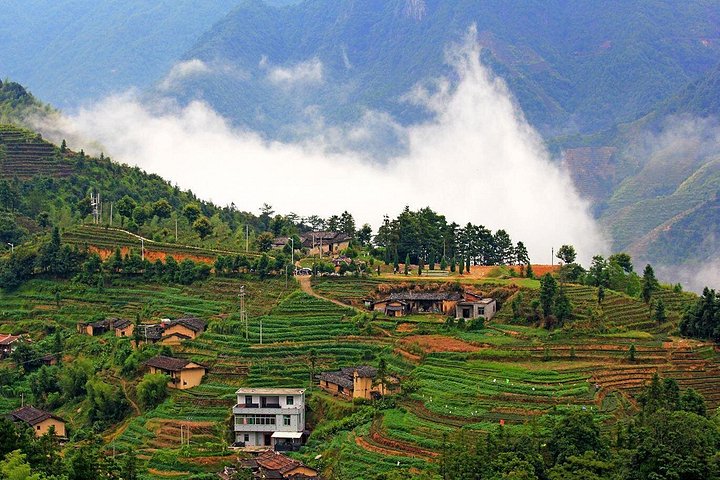
Spring is mild but often misty, drizzly and humid. Light rain suits tea country, since spring harvests are in progress in Anxi, and mist on terraces is atmospheric. Gulangyu views may be hazy, and the plum rain period from late spring into early summer can bring long spells of showers. Carry a compact umbrella and a light jacket.
Summer
Summers are hot and humid, with strong sun. Mornings and evenings are the best times for outdoor sights, and the Gulangyu night tour is a pleasant alternative to daytime heat. Beaches are busy, and school holidays bring families. Typhoon season runs from midsummer into early autumn, so watch forecasts and keep your plans flexible. Ferries and some attractions may close in strong winds.
Holiday crowds
The main national holidays, including the autumn Golden Week and the lunar new year, bring huge domestic crowds to Gulangyu, the temples and the tulou. Ferry reservations may sell out, roads can be jammed and hotel prices rise. If your dates are flexible, travel outside these periods. If not, reserve everything in advance and start days early.
Best time by activity
For Gulangyu, choose autumn or winter weekdays. For tulou, choose dry, clear days, with spring mist for atmosphere and autumn for golden fields. For tea, visit in spring or autumn when picking and processing are happening. For beaches and islands such as Dongshan, choose late spring to early autumn, avoiding typhoon warnings. For temples and gardens, any mild season works.
Packing
Bring light, breathable clothing, a rain layer, a compact umbrella, sun protection, comfortable shoes with grip and a small bag for water. In winter, add a warm layer for the hills. Insect repellent helps in summer, particularly in tulou villages and gardens.
Planning around weather
Check forecasts a few days ahead and be ready to swap days. Keep clear days for outdoor sights such as Gulangyu and the tulou viewpoints, and use rainy days for temples, museums, markets and food tours. A private tour operator can often reschedule if a typhoon warning appears, but confirm the policy before you book.
Time of day matters too
Even in a pleasant season, the middle of the day can be warm and bright. Plan outdoor sights for early morning and late afternoon, keep lunch and a rest for the hottest hours and use evenings for lanes, markets and the seafront. On Gulangyu, early starts mean thinner crowds and easier photographs, and late-afternoon light on the villas is lovely. For tulou and tea trips, a pre-dawn or early start gives you time on site and a calmer return journey.
Festivals
Local festivals add colour for visitors who like atmosphere. Lunar new year and the lantern festival bring lights, temple fairs and family gatherings, while the mid-autumn festival is a time for mooncakes and moonlit walks. Mazu festivals draw pilgrims to temples along the coast. Festivals can also mean closures of some shops and crowded transport, so plan with care and book early.
A simple rule
If you can choose, pick autumn or winter, avoid national holiday weeks and travel on weekdays. If you must go in summer, plan early mornings and evenings, and carry water and sun protection. Whatever the season, Xiamen rewards a slow pace, a pot of tea and a flexible plan.