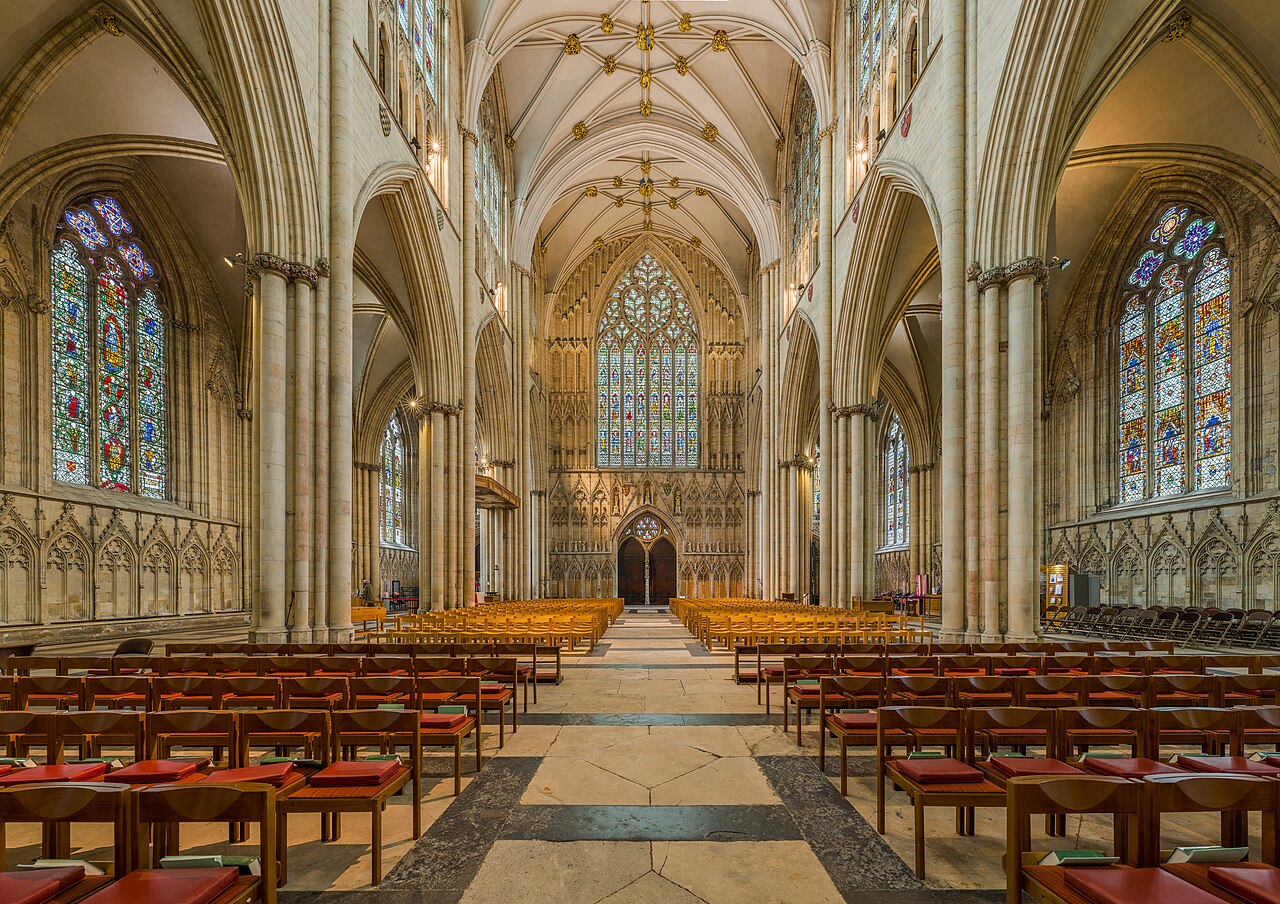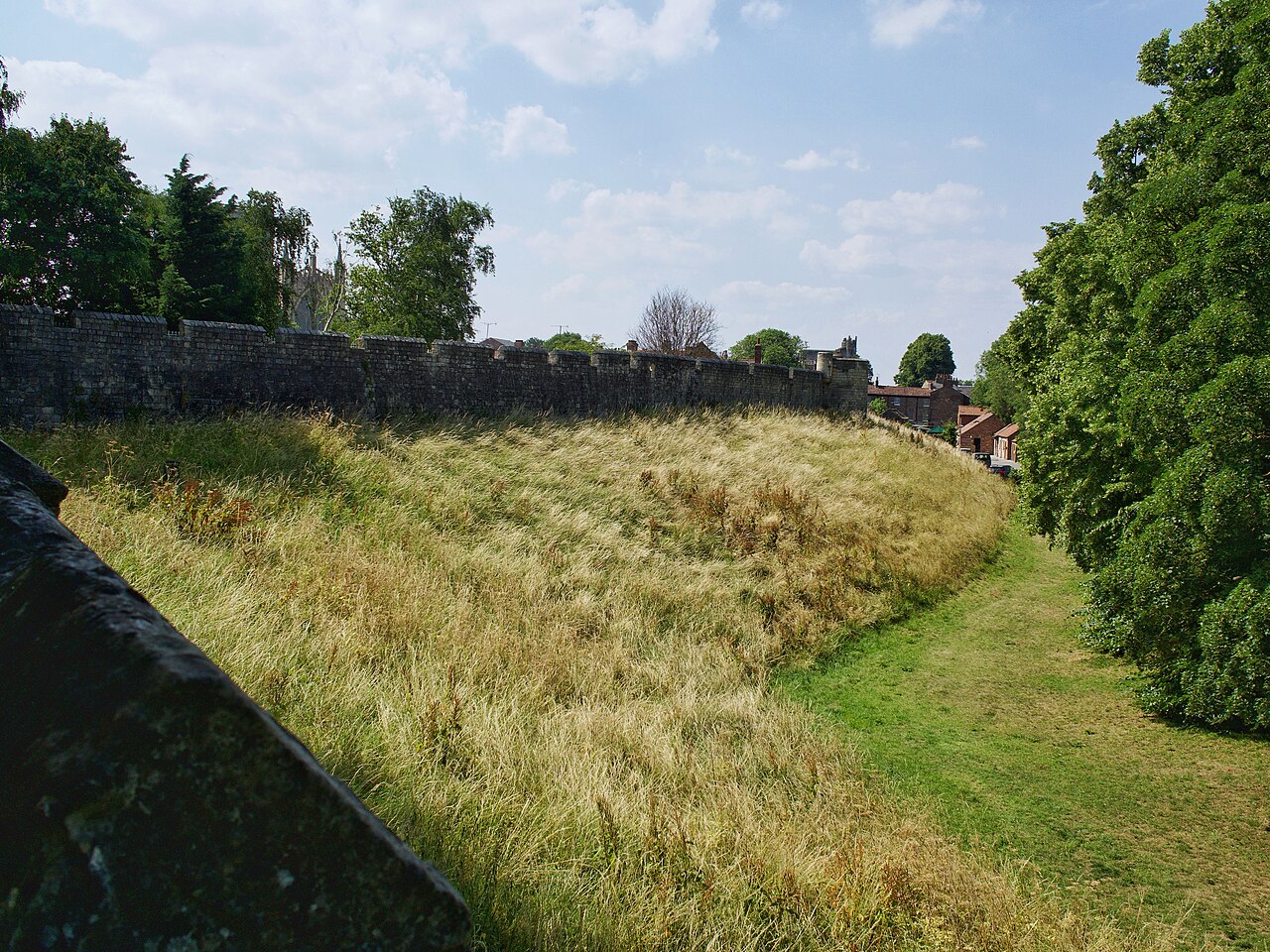
York has kept more of its medieval walls than any other city in England, and walking them is the best free way to understand the shape of the old city. The walkway runs along the top of the walls for roughly two miles, broken in a few places where the river or later roads cut through, and you can join or leave it at many points. Along the way you pass the four main gateways, known in York as bars. Bootham Bar stands on the line of a Roman gate near the Minster. Monk Bar is the tallest and most elaborate. Walmgate Bar is the only one in England to keep its barbican, the fortified outer gateway. Micklegate Bar, the traditional royal entrance from the south, is where the heads of traitors were once displayed. The stretch between Bootham Bar and Monk Bar gives the finest views of York Minster rising over the gardens of the Deanery and the old houses. The walls are owned and managed by the City of York Council, and entry is free. This page links to the council’s official opening and closing times, which matter in winter, because the walkway closes early and can stay shut all day when it is icy.
How to visit: the gates to the walkway usually open daily at 8am, except on Christmas Day and in very high winds, icy or slippery conditions or during conservation works. Closing times change with the seasons. In November and December the gates begin locking at 3:30pm, a process that takes about an hour, so plan to be on the walls by early afternoon. On cold mornings the council inspects key points at 7am, and in winter the walkway can stay closed all day if the ice does not melt. Visit York at 28 Back Swinegate, or its phone line, can tell you whether the walls are open.
What to expect: the walkway is narrow, with steps at each access point and a low parapet on the outer side only in places, so keep children close and take care in the wet. There is no step-free access to most sections. The full circuit takes two to three hours with stops, but most people walk a section. The classic choice is Bootham Bar to Monk Bar, about twenty minutes, for the Minster views.
Making the most of it: start at Bootham Bar after your Minster visit, walk to Monk Bar, then drop down and continue to Walmgate Bar to see the barbican. Or start near the station and walk to Micklegate Bar. Late autumn sunshine in the early afternoon gives the best light on the Minster.
What to expect
The experience
A free, self-guided walk along the raised walkway of the medieval city walls, joining and leaving at the gateway bars.
Best time
Late morning to early afternoon in November, since the gates start locking at 3:30pm.
How long
Twenty minutes for Bootham Bar to Monk Bar, or two to three hours for the whole circuit.
Tips
Check that the walls are open on icy days, wear shoes with grip, and keep children close where the parapet is low.
Quick picks
- Best for
- First-time visitors who want a free overview of the city and the best Minster views.
- Families
- Older children enjoy spotting the bars and arrow slits, but younger ones need close supervision on the narrow path.
- Couples
- The stretch from Bootham Bar to Monk Bar on a bright afternoon is a classic York walk for two.
- Pair with
- York Minster at Bootham Bar, and the National Railway Museum near the station end.
- Time needed
- Twenty minutes to three hours.
Good questions
Is it free to walk York’s City Walls?+
Yes, the walkway is free to use. You can join and leave it at many points around the city.
What time do York’s City Walls close in November?+
In November and December the gates start locking at 3:30pm, and locking takes about an hour. They usually open at 8am.
Are York’s City Walls closed in icy weather?+
Yes, the walls close in icy or slippery conditions, and in winter they can stay closed all day. Visit York on Back Swinegate can tell you whether they are open.
What is the best section of York’s City Walls?+
Bootham Bar to Monk Bar is the most popular stretch, with the best views of York Minster. It takes about twenty minutes to walk.
How long does it take to walk all of York’s City Walls?+
The full circuit of roughly two miles takes two to three hours with stops. Most visitors walk one or two sections instead.