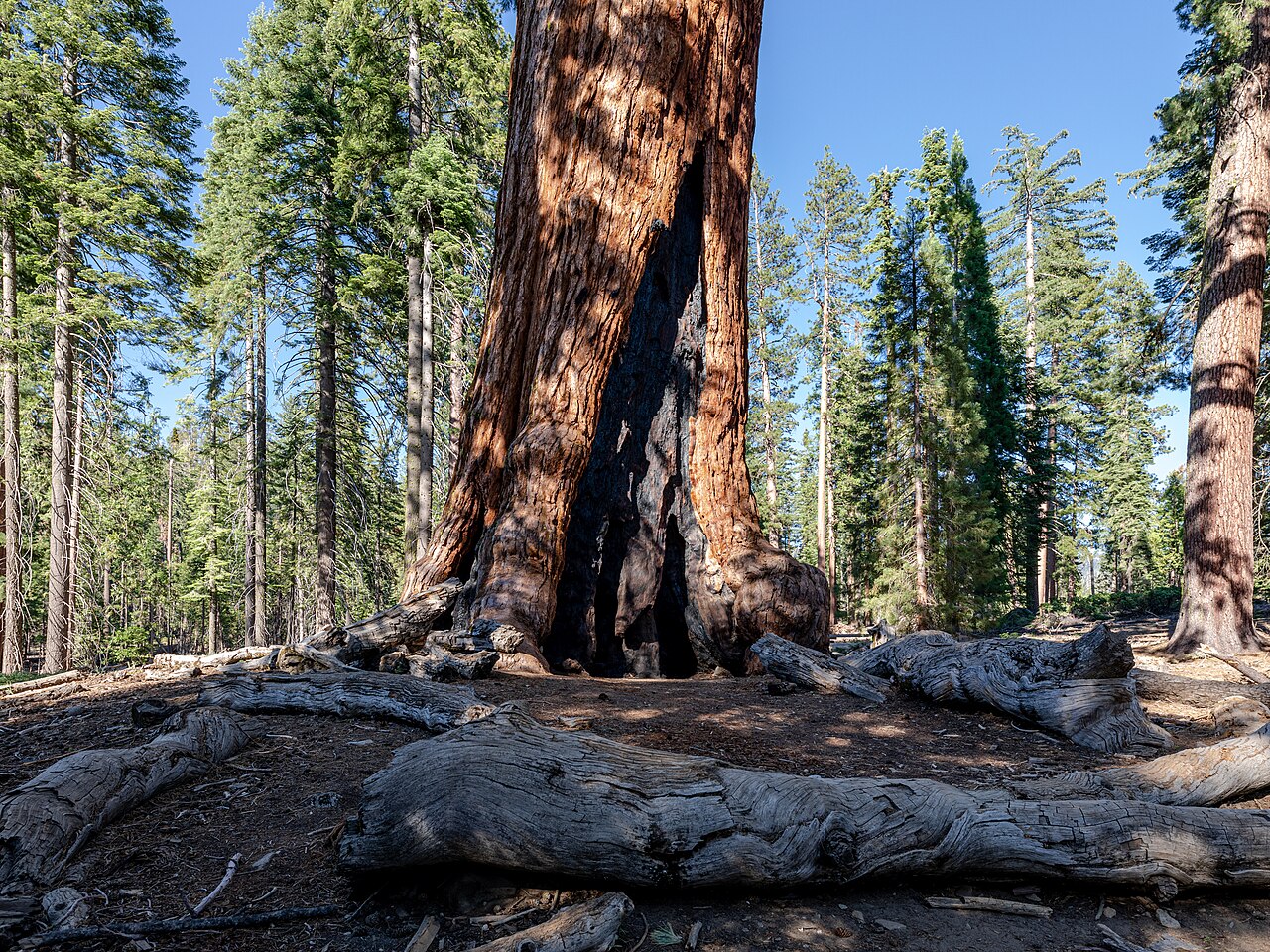
The Mariposa Grove is Yosemite's largest and most famous stand of giant sequoias, and one of the reasons the park exists at all: it was protected alongside Yosemite Valley in the 1864 Yosemite Grant. The NPS counts more than 500 mature sequoias here, the largest living things on Earth by volume, and the grove reopened in 2018 after a major restoration that removed parking and roads from among the trees and restored natural water flow. Today, visitors park at the Welcome Plaza near the South Entrance, which has about 300 spaces and may fill by late morning, and ride a free shuttle about two miles up to the grove arrival area. The NPS 2026 shuttle schedule runs from May 3 to September 23, 8am to 7pm; September 24 to October 31, 8am to 5pm; and November 1 to 30, 8am to 3:30pm, all weather permitting, with no shuttle from December 1 until at least April 15. Once there, the Big Trees Loop is an easy, wheelchair-accessible 0.3-mile walk past the Fallen Monarch; the Grizzly Giant Loop, 2 miles with about 300 feet of gain, takes in the Grizzly Giant, about 3,000 years old, and the California Tunnel Tree you can walk through; and the Guardians Loop, 6.5 miles round trip, reaches the fallen Wawona Tunnel Tree, the Telescope Tree and the historic Mariposa Grove Cabin. In winter, the Mariposa Grove Road closes to cars from late November until at least April 1 but stays open to hikers, snowshoers and skiers; reaching the grove means a two-mile walk each way on the Washburn Trail or the road, with about 500 feet of climbing, and trails may be snowy or icy. The quiet of the grove under snow, with red bark against white, is one of the most beautiful sights in the park. Pets are not allowed on roads or trails, there is no food service, and drinking water is limited.
Giant sequoias grow naturally only on the western slope of the Sierra Nevada, in a narrow belt of groves, and they depend on fire to open their cones and clear the forest floor for seedlings. The Mariposa Grove restoration took that into account, removing a road and parking lot that had compacted soil around the roots and restoring the wet meadows that the trees rely on. The result is a grove that feels wild again: boardwalks lead over sensitive areas, and the old asphalt has been replaced by trails. Look for fire scars on the trunks of the Grizzly Giant and its neighbors — evidence of centuries of survival — and for the young sequoias that have sprung up after prescribed burns.
Planning the visit. In season, arrive at the Welcome Plaza early or mid-morning and take the shuttle; the buses run roughly every 15 minutes. Allow at least two hours for the Grizzly Giant Loop, which is the best balance of effort and reward, or a half day for the Guardians Loop. If you have a disability placard, you may drive the Mariposa Grove Road as far as the Grizzly Giant while it is open. The grove is about an hour and fifteen minutes from Yosemite Valley by car, so it pairs naturally with an arrival or departure through the South Entrance, a stop at Tunnel View, and accommodation in Fish Camp, Oakhurst or Wawona.
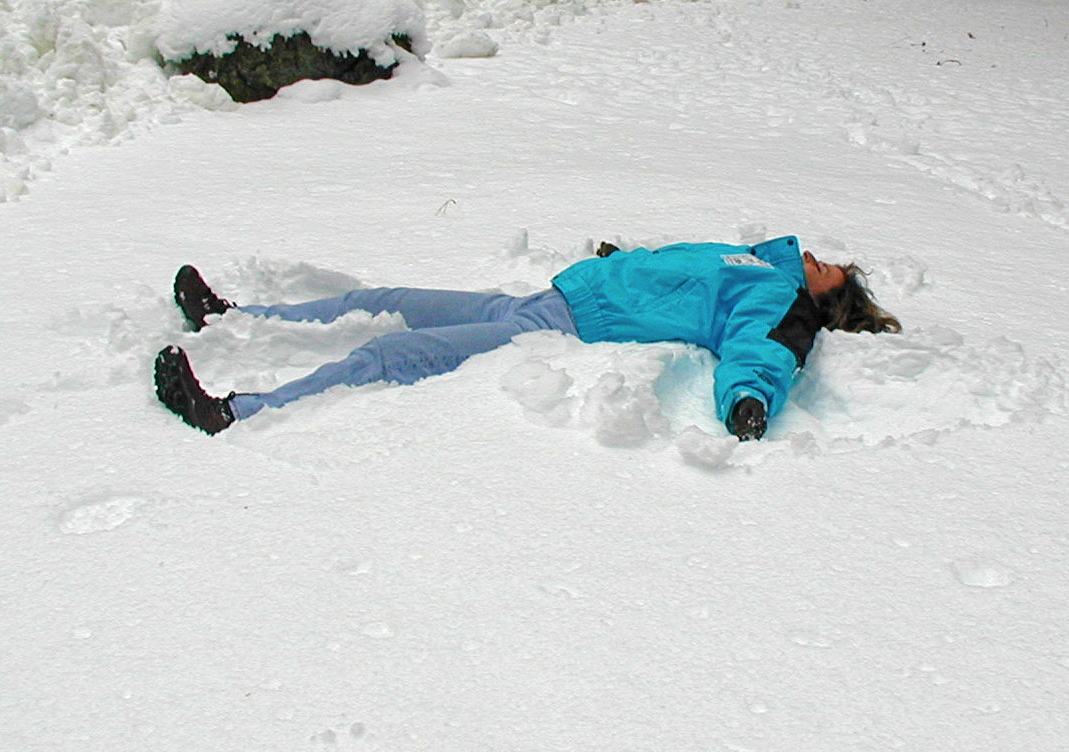
Visiting in November and winter. November 2026 is the last month of shuttle service, with shorter hours and weather caveats, so check the NPS page before you drive. From December, a visit becomes a snow walk: park at the Welcome Plaza and follow the Washburn Trail or the closed road uphill for about two miles, then explore the Big Trees Loop and Grizzly Giant Loop on foot or snowshoes. Camping is allowed in the upper grove under specific winter conditions with a wilderness permit. Dress in layers, carry traction devices, and start early, because winter days are short and the walk back can be cold and icy. For an easier winter sequoia experience, the Badger Pass area offers guided snowshoe options, and the smaller Tuolumne and Merced groves to the north are other choices.
What to expect
The experience
A free shuttle (in season) from the Welcome Plaza near the South Entrance to a network of grove trails, from the 0.3-mile Big Trees Loop to the 2-mile Grizzly Giant Loop and the 6.5-mile Guardians Loop.
Best time
Mid-morning in season; late spring for dogwood blooms; winter after a snowfall for a hushed, white grove.
How long
Two hours for the Grizzly Giant Loop; half a day for longer trails or the winter walk in.
Tips
The shuttle runs through November 30, 2026 with shorter hours, then stops. In winter, walk the Washburn Trail two miles each way. No pets, no food service, limited water.
Quick picks
- Best for
- Anyone who wants to stand beneath the largest living things on Earth.
- Families
- The Big Trees Loop is flat and accessible; walking through the California Tunnel Tree is a kid favorite.
- Couples
- A winter snowshoe through a silent grove, or a quiet morning on the Guardians Loop.
- Pair with
- Tunnel View on the drive to the valley, and a stay in Fish Camp or Oakhurst.
- Time needed
- Half a day with the drive from the valley.
Good questions
How do I get to the Mariposa Grove?+
Park at the Welcome Plaza near the South Entrance and ride the free shuttle about two miles to the grove. In 2026 it runs until November 30, with no service from December 1 until at least April 15.
What are the best trails?+
The 0.3-mile Big Trees Loop is easy and accessible; the 2-mile Grizzly Giant Loop passes the Grizzly Giant and the California Tunnel Tree; the 6.5-mile Guardians Loop reaches the fallen Wawona Tunnel Tree.
Can I visit the grove in winter?+
Yes, on foot, snowshoes or skis. The road closes to cars from late November, so walk about two miles each way on the Washburn Trail or the road, with around 500 feet of climbing.
How old is the Grizzly Giant?+
The NPS estimates it at about 3,000 years old, making it one of the oldest sequoias in the grove.
Can I drive into the grove?+
Only with a disability placard, when the Mariposa Grove Road is open roughly mid-April through November, and only as far as the Grizzly Giant.