Zanzibar is easy to love and a little harder to plan, because the island packs two very different holidays into one. There is Stone Town, the historic port with its lanes, carved doors, markets and sunset food stalls, and there are the beaches and reefs, from the sunset coast of Nungwi and Kendwa in the north to the tidal lagoons of the east and the sandbanks of Menai Bay in the south-west. In between lie the spice farms and the Jozani Forest. Here is how to put a first trip together.
Before you fly
Every foreign visitor to Zanzibar must buy the island’s inbound travel insurance from the Zanzibar Insurance Corporation, which costs 44 US dollars per adult and 22 dollars per child and covers up to 92 days. It has been compulsory since October 2024, and your own travel insurance does not replace it. Buy it online before you travel at the official visitor site and keep the certificate on your phone. Since 1 October 2026, mainland Tanzania runs its own scheme, but one policy covers trips between the mainland and Zanzibar. Check the visa rules for your passport before you go.
How many days
Five to seven nights is ideal. Spend two nights in Stone Town to see the old town, the Old Slave Market, a spice farm and Prison Island, then move to the beach for three to five nights. With only four nights, do one in Stone Town and three on the coast. Many travellers add Zanzibar to the end of a mainland safari, flying in from Arusha or the parks.
What to book ahead
The sea trips are the heart of most visits and fill up in the busy months from late December to February and from July to September. Book the Safari Blue sandbank day in Menai Bay, the Mnemba Atoll snorkelling trip and any private sunset dhow sail a few days ahead. In Stone Town, the small-group morning walking tour and the evening food walk at the Forodhani Gardens are worth reserving for your first day, and the spice farm, Jozani Forest and Prison Island tours are easy to book a day or two out.
Getting around
Abeid Amani Karume International Airport is just outside Stone Town, about fifteen minutes from the old town. The north-coast beaches of Nungwi and Kendwa are around an hour and a half away by road, and Paje on the east coast a little over an hour. Most visitors use pre-booked taxis or hotel transfers, and most tours include hotel pickup, though pickups outside Stone Town often cost extra. Within Stone Town, walk: the lanes are too narrow for cars. Ferries also link Stone Town with Dar es Salaam on the mainland.
Where the sights fit
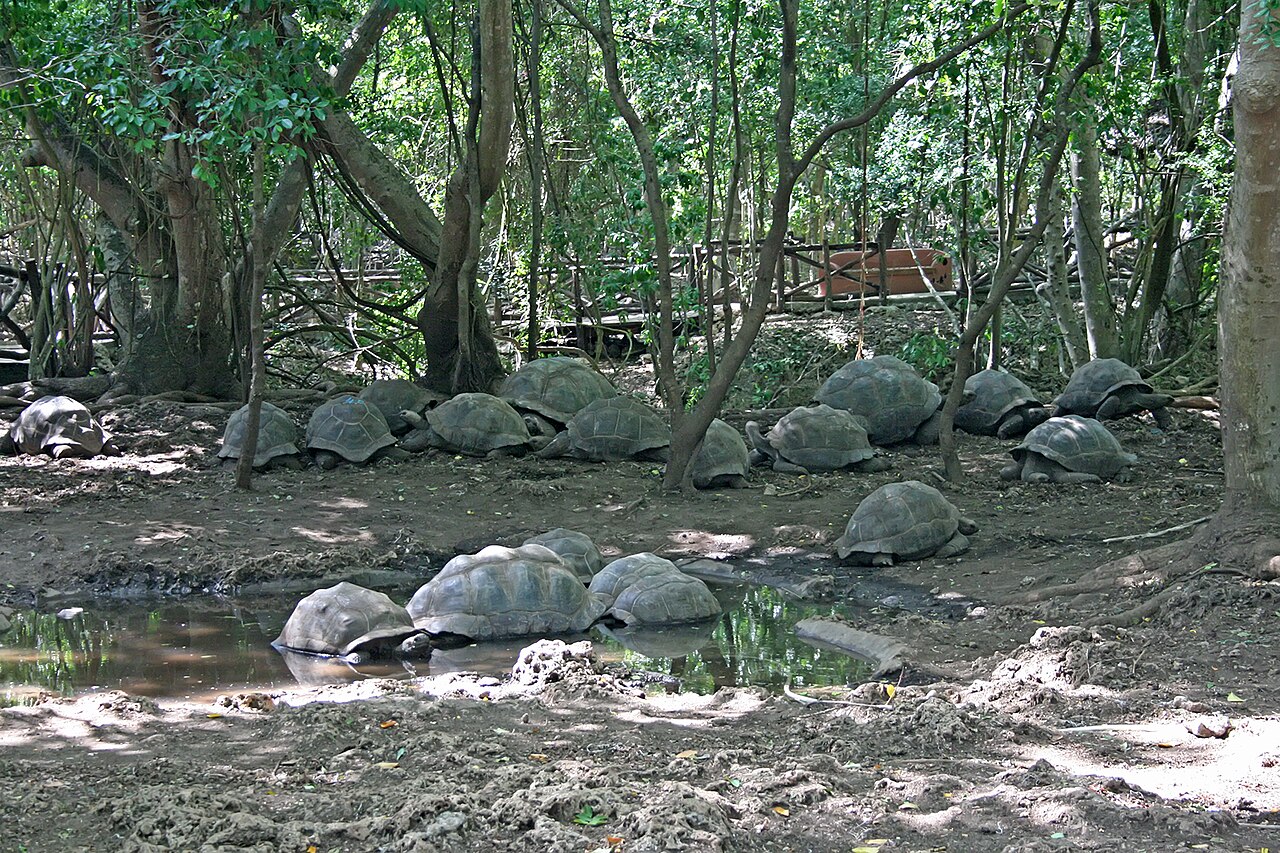
Stone Town is the base for the old town walks, the Old Slave Market and Anglican cathedral, the Freddie Mercury Museum, the Forodhani night market and the short boat trip to Prison Island and its giant tortoises. The spice farms lie just outside town, and Jozani Forest, with its red colobus monkeys, is about an hour away towards the south-east beaches. Safari Blue leaves from Fumba, south of Stone Town, while Mnemba trips and the best sunset sails start from the north coast, so plan those for your beach days.
When to go
The dry seasons, from June to October and from late December to February, have the sunniest weather and the calmest seas. The long rains, usually around April and May, bring heavy showers and some hotel closures, and shorter rains can fall in November. During Ramadan, Stone Town is quieter by day and eating in public is best avoided, though the evenings are festive.
Practical tips
Zanzibar is a mainly Muslim island, so cover your shoulders and knees in Stone Town and the villages, and keep swimwear for the beach and your hotel. The Tanzanian shilling is the local currency, but tours and hotels often price in US dollars, so carry some small notes of both. Use reef-safe sunscreen, drink bottled water, and check tide times for east-coast beaches, where the sea can retreat a long way at low tide.