Abu Dhabi has a desert climate, so the answer to when to go depends on what you want to do. The cool, dry months bring perfect weather for beaches, safaris and open-air sights, while the long, hot summer favours indoor attractions and lower prices. Understanding the seasons helps you pick the right months and pack the right clothes, and it can change your budget significantly, since hotel rates swing by the calendar.
Winter, from November to March: the peak season
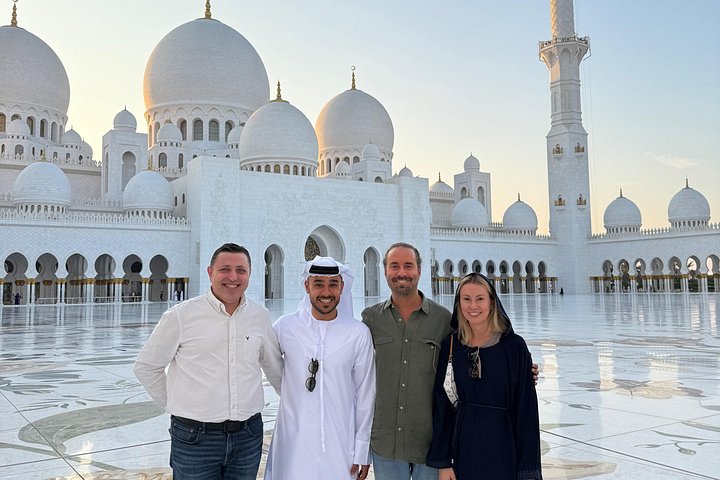
This is the best time for most travellers. Daytime temperatures are warm and pleasant, evenings can be cool, and humidity is lower, so walking the Corniche, visiting the Grand Mosque, sitting on a terrace and taking a desert safari are all comfortable. It is also the busiest and most expensive time, with festivals, concerts and sporting events filling the calendar. Book hotels and popular tickets early, particularly around school holidays and the Formula One weekend, when Yas Island books out and rates rise across the city. Pack light layers, since desert evenings and air-conditioned museums can feel cold.
Shoulder months, October and April
These months can be a sweet spot. Temperatures are still warm to hot, but beach days are comfortable, crowds are lighter and rates are often more reasonable than in mid-winter. Early in the morning and after sunset the weather is lovely, and midday can be hot enough to prefer an indoor museum. These months suit visitors who like the beach and are happy to organise their day around the sun.
Summer, from May to September: heat and indoor holidays
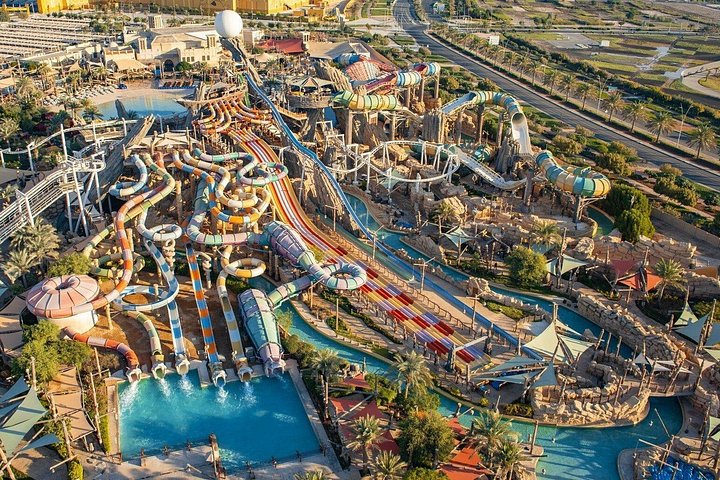
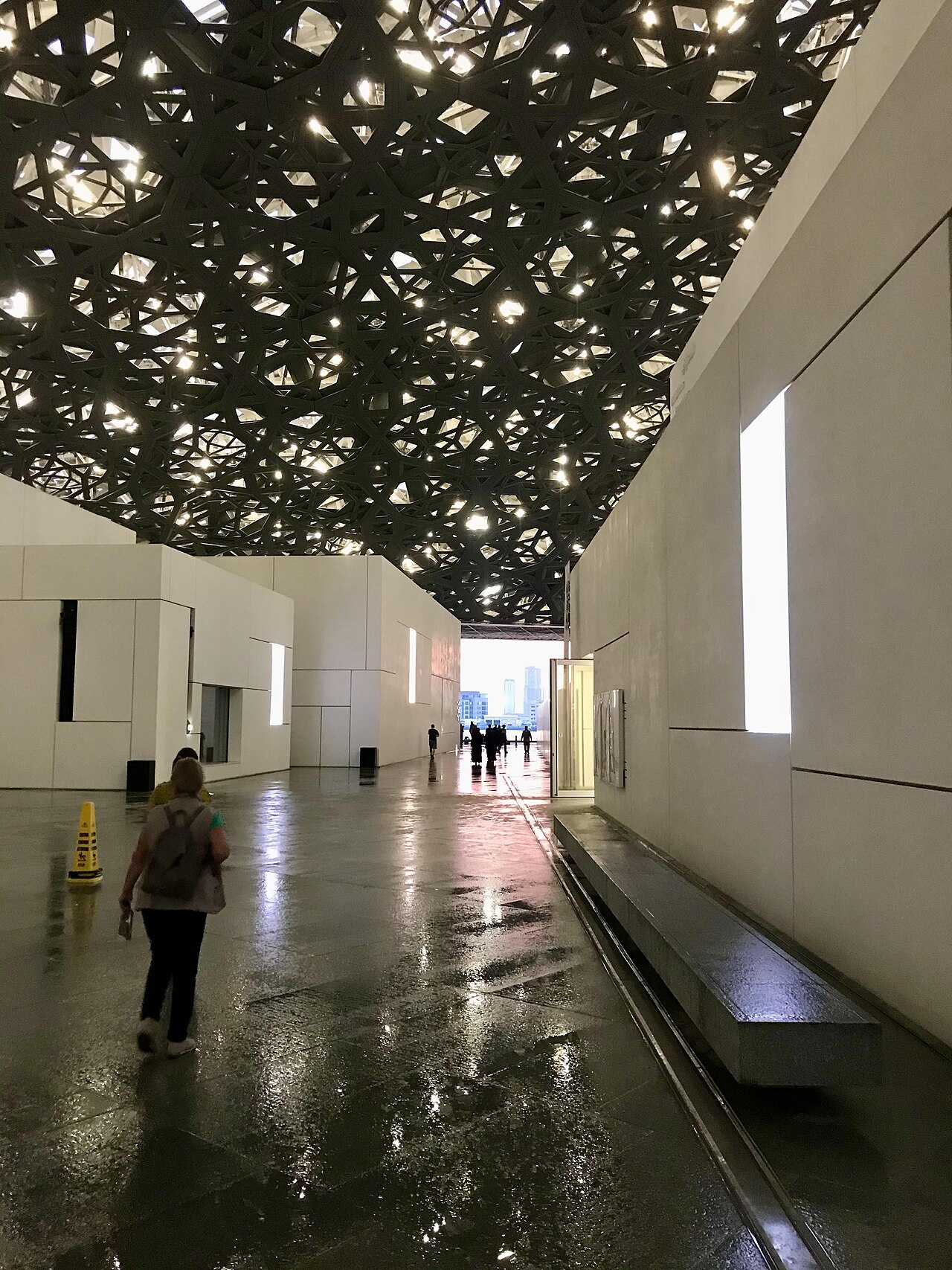
Summer is extremely hot and humid, with daytime temperatures that make walking outdoors difficult. It is also the quietest and cheapest season, and the city is designed for it. Museums such as the Louvre Abu Dhabi, indoor theme parks including Ferrari World, Warner Bros. World and SeaWorld, malls and hotel pools make it a workable choice. Plan outdoor sights for early morning or after sunset, drink plenty of water and cover up against the sun. Waterparks such as Yas Waterworld are busiest in the evenings, and mangrove kayaking is best at dawn.
Ramadan and public holidays
During Ramadan, the holy month, daytime eating, drinking and smoking in public are discouraged out of respect for fasting residents, and many restaurants open only after sunset or screen their windows. Opening hours for attractions can change, and evenings are lively, with special tents, festive meals and a lovely atmosphere. Eid holidays bring crowds, higher rates and special events. If you travel at these times, check opening hours and plan modest dress, and enjoy the chance to see the culture at its most social.
Event periods
The Formula One Abu Dhabi Grand Prix, concerts on Yas Island and school holidays push demand and prices up. If you want to join in, book flights and rooms well in advance. If you want a quiet trip, avoid those periods. Local holidays shift from year to year, so check the calendar when you plan.
Matching the season to your plans
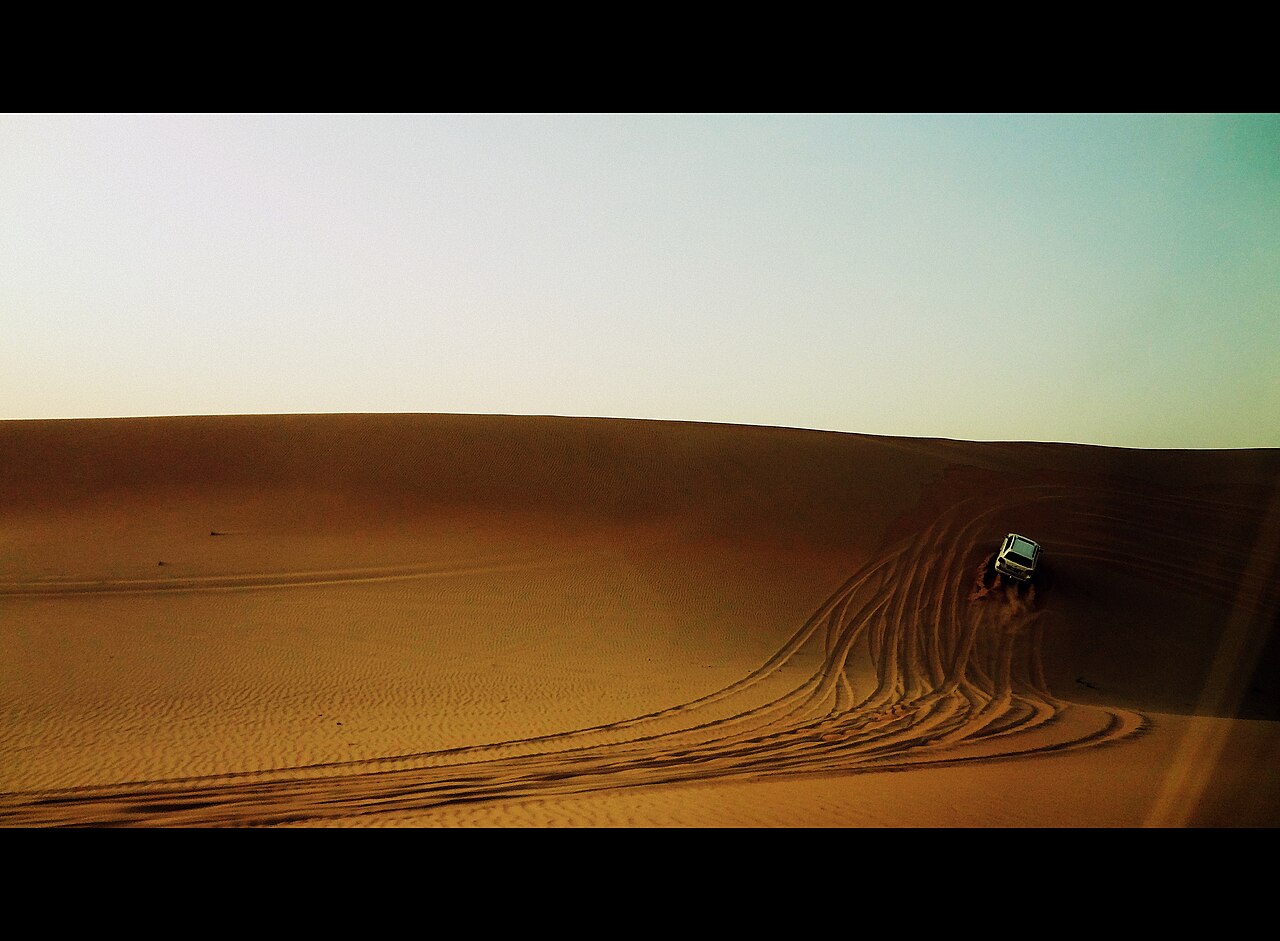
Beach and island days are best from October to April. Desert safaris are most comfortable in the cooler months, though morning trips run in warmer weather. Museums and theme parks work all year, with indoor options in summer. Mangrove kayaking and the Al Ain oasis are at their best in the cooler months, and the Observation Deck at 300 gives the clearest views on crisp winter days when the haze has cleared.
Budget and booking by season
Hotel rates follow the weather. Mid-winter weeks and holiday periods are the most expensive, while May to September offers the best bargains, with five-star rooms at a fraction of winter prices and shorter queues at the big attractions. If you are flexible, aim for late October or April, when the weather is warm but the rates are lower. Book the Grand Mosque, timed museum entries and weekend park days ahead in any season, and keep one free evening in case of a weather change or an event you did not expect. Desert safaris and day trips are easy to reserve a day or two before you travel outside peak weeks.
Packing and health
Bring sunscreen, sunglasses and a hat in every season, light cotton clothing for the heat, and a scarf or shawl for the mosque. Carry a water bottle and take breaks in the shade. Travel advice for the region can change, so check your government's guidance and your airline's updates before departure, and consider comprehensive travel insurance.