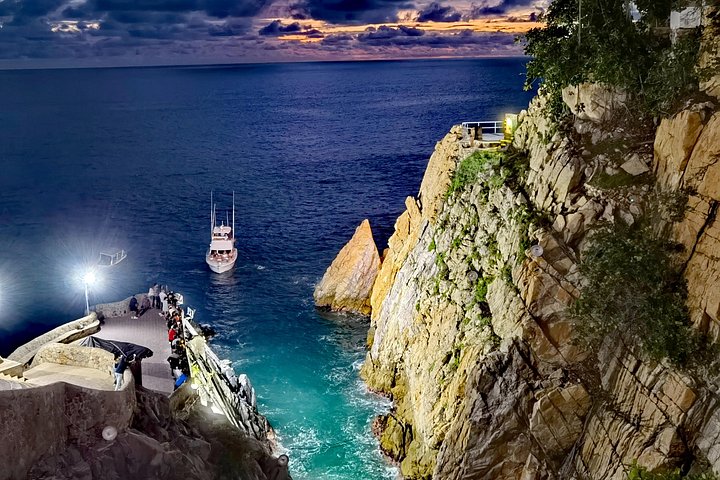
Acapulco is a good place to eat. The city sits on the Pacific, so fish and shellfish are central, but the cooking of Guerrero also draws on the mountains and the markets, with corn, chiles, tropical fruit and slow-cooked stews. A few days of eating well is as much a part of the trip as the divers and the beach, and the best meals are often the simplest: a plate of ceviche at a seaside table, a bowl of pozole on a weekend, a taco at a stall as the evening cools. This guide covers what to look for and how to plan it.
Seafood first
Ceviche, raw fish or shrimp cured in lime juice with onion, chile and cilantro, is the coastal classic, and you will find it on almost every menu. Aguachile is its fiery cousin, with shrimp in a bright chile-lime marinade. Whole fish, grilled or fried and served with rice and salad, is the standard beachside meal, and tiritas de pescado, thin strips of fish in lime and chile, are a local favourite. Order seafood where the turnover is high and the place is busy, and ask what came in that day.
Pozole, the stew of Guerrero
The state is famous for pozole, a stew of hominy with pork or chicken, and it comes in white, red and green versions. The green pozole, coloured with pumpkin seeds and herbs, is closely associated with Guerrero, and many restaurants and homes make it a weekly tradition. Pozole is served with a plate of garnishes such as shredded cabbage, radish, onion, lime and oregano, so you season it yourself. It is filling and best eaten at midday.
Street food and markets
Tacos, tostadas, tamales, fresh fruit with chile and lime, and cups of cold fruit water appear in the plazas and markets throughout the day. Busy stalls with a steady line of locals are a safe bet. In the evening, the old town around the Zócalo fills with food stalls and cafes, and the malecón is a pleasant place to walk after dinner. If you want guidance, a market tour with a cooking class is an excellent introduction, because a local host explains the ingredients, takes you to the stalls and teaches you to cook several dishes.
Drinks
Fresh fruit waters, horchata and coconut water are everywhere. Mexican beer is cheap and ubiquitous, often served with lime and salt, and mezcal and tequila are widely available, usually sipped rather than shot. Cocktails such as the margarita and the michelada are staples, and sunset drinks above the cliffs at La Quebrada are a classic. Drink bottled or purified water, avoid ice unless the venue is reputable, and ask for drinks without ice if in doubt.
Where to eat
The Costera has the largest concentration of restaurants, from seafood places to international chains, and hotel restaurants offer reliable choices. The old town has traditional restaurants and small cafes, and the beachside enramadas at Pie de la Cuesta and Barra Vieja serve fish and shrimp with the sunset in front of you. The restaurant at the top of the divers' cliff is a good setting for a special dinner, although some guests find the food secondary to the view, so go for the experience.
Staying comfortable
Wash your hands, drink bottled water and eat at busy places. If you have allergies, learn the Spanish for the foods you must avoid and tell the staff before you order, because shellfish and nuts appear in many dishes. Carry some pesos, since small places may not take cards, and tip in cash when you can. Eating the main meal at midday and a lighter dinner suits the heat, and most restaurants are open late.
A suggested eating plan
Start the first day with fruit and coffee, have ceviche at lunch and tacos in the evening. On the second day, try a seafood lunch on the beach after a morning on the water, and book a dinner above the cliffs. On the third day, take a cooking class or order pozole. Between meals, stop for a fruit water, a fresh coconut or an ice cream on the malecón, and let the evening walk be your digestif.
Breakfast and coffee
A typical Mexican breakfast might be chilaquiles, eggs with beans, or fresh fruit with yoghurt, and the coffee is usually strong and served with milk on request. Hotel buffets are an easy start, while small cafes in the old town offer pastries and juice at a gentler pace.