Adelaide has a Mediterranean-style climate, with hot dry summers and mild wet winters, and it is pleasant to visit at almost any time of year. The best season depends on what you want to do, because wine, wildlife, beaches and festivals each have a better moment. Below is a season-by-season guide, with the caveat that the weather can change quickly, so check the forecast before you commit to outdoor plans.
Summer (December to February)
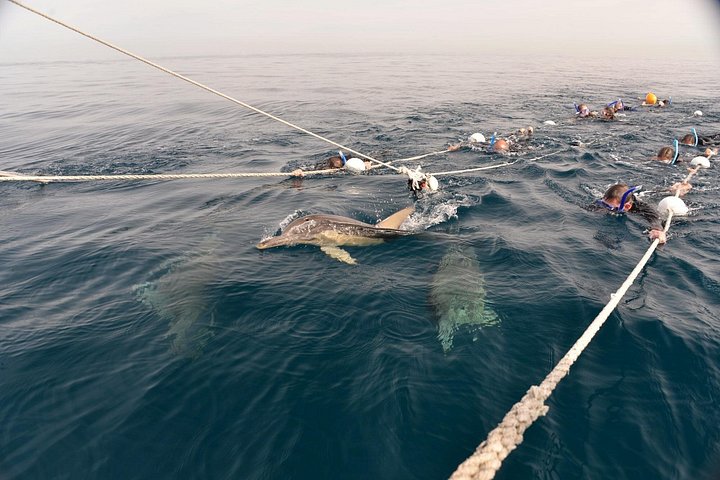
Summer is warm to hot, and heatwaves are common, so plan outdoor sights for the morning and keep afternoons for the Art Gallery, the Central Market or the beach. Glenelg is at its liveliest, the dolphin cruise is popular and the Botanic Garden stays open until 6:30 in the evening from October to March. Strawberry picking near Hahndorf runs from November to April. Late summer brings the city's biggest arts festival season, when accommodation fills and prices rise, so book early if you want to be in town for it.
Autumn (March to May)
Autumn is often the best time overall. The heat eases, the sea is still warm enough for the coast and the wine regions are in harvest, so cellar doors are busy and full of energy. The Adelaide Hills turn colourful, and Hahndorf is at its most photogenic. Days are usually settled and sunny, which suits the Barossa and McLaren Vale tours as well as the Kangaroo Island day.
Winter (June to August)
Winter is cool and can be wet, but it is a good season for indoor sights, long lunches by a fire and green countryside. From roughly June to September, southern right whales visit the Victor Harbor coast, and the Fleurieu Peninsula is a rewarding day trip. Kangaroo Island is quieter and the wildlife is still active, although ferry and road conditions can affect plans, so allow flexibility. Bring a warm jacket and a waterproof layer, because the Hills and the coast can be much cooler than the city.
Spring (September to November)
Spring brings wildflowers, blossom in the Botanic Garden and mild days, with the chance of a shower. It is a good time for walking, gardens and the Hills. Crowds are lighter than in summer, and the weather often suits all the day trips. Daylight saving begins in October, which means long evenings and later closing hours at many outdoor sights.
Choosing by interest
For beaches and dolphins, go from December to March. For wine and food, choose autumn, when harvest is under way, or spring, when the vineyards are fresh and green. For whales, aim for winter. For gardens and wildflowers, choose spring. For festivals and the busiest city atmosphere, choose late summer, and book early. For the best value and fewer crowds, choose late autumn or winter.
Weekly patterns
The Central Market is closed on Sunday and Monday all year, so plan your visit between Tuesday and Saturday. Adelaide Oval tours run on limited days and change around events, and wineries often close one or two days a week, so check before you go.
Packing and planning
Pack a hat and sunscreen for the warm months and a warm layer for winter evenings. Wear comfortable shoes for the Botanic Garden, the Hills and the market. If you plan to visit in the busiest festival season or during school holidays, book hotels, the Kangaroo Island day and the Barossa tour well in advance. Outside those periods, you can often book a week or two ahead and still find good options.
A word on the weather
Adelaide can swing from mild to hot within a day, and very hot days sometimes bring fire danger warnings in the Hills and on the islands, which can close parks and change tour plans. Check the forecast the day before any outdoor trip, ask the operator what happens if conditions are poor and keep an indoor backup such as the Art Gallery or the Central Market ready. Flexible hotel rates are worth the small extra cost if your trip depends on a particular day. Shoulder months such as April, May, September and October often combine mild weather with lower prices and thinner crowds, which makes them a smart choice if your dates are flexible.