Adelaide is one of Australia's best food and wine cities, with a market at its heart, wine regions less than an hour away and a relaxed culture that makes it easy to eat well without planning every meal. This guide shows where to start, how to match the food to the wine and how to build a day around the table.
Start at the Central Market
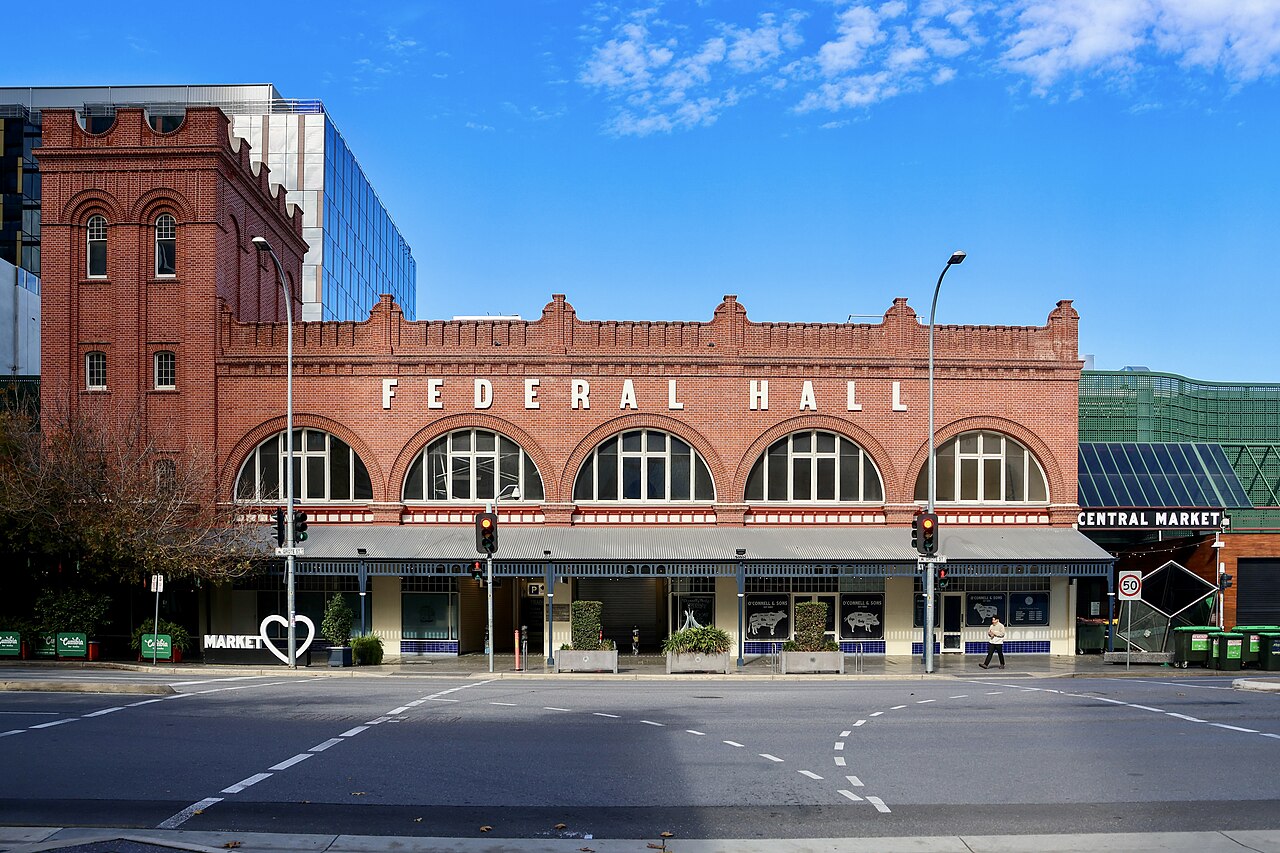
Adelaide Central Market is the city's food centre, with more than 70 traders selling fruit, vegetables, cheese, smallgoods, seafood, bread, coffee and ready-to-eat meals from many cuisines. It trades from Tuesday to Saturday, with late hours on Friday, and it is closed on Sunday and Monday. Entry is free, so you can graze across several stalls and pay only for what you buy. Come hungry, share plates and look for what is in season, since traders are usually happy to explain unfamiliar items. Friday evening is lively, while Tuesday and Thursday mornings are calmer.
Gouger Street and Chinatown
Just beside the market, Gouger Street and the Chinatown streets form the main dining strip, with a wide range of Asian cuisines, Italian restaurants, wine bars and casual cafes. This is the easiest place to find dinner without a booking on a weeknight, although weekends and Friday nights fill up, so reserve a table if you have a group. Staying in the market precinct, for example at Hotel Indigo Adelaide Markets, makes it possible to walk home after dinner.
Learn the wine at the National Wine Centre
The National Wine Centre of Australia, beside the Botanic Garden on North Terrace, is a friendly place to learn the basics before you reach the vineyards. A story tour and a masterclass explain the regions and styles, and the tastings help you work out what you like. It is a good first stop on the day you arrive, or a rainy-day alternative to an outdoor sight.
The wine regions
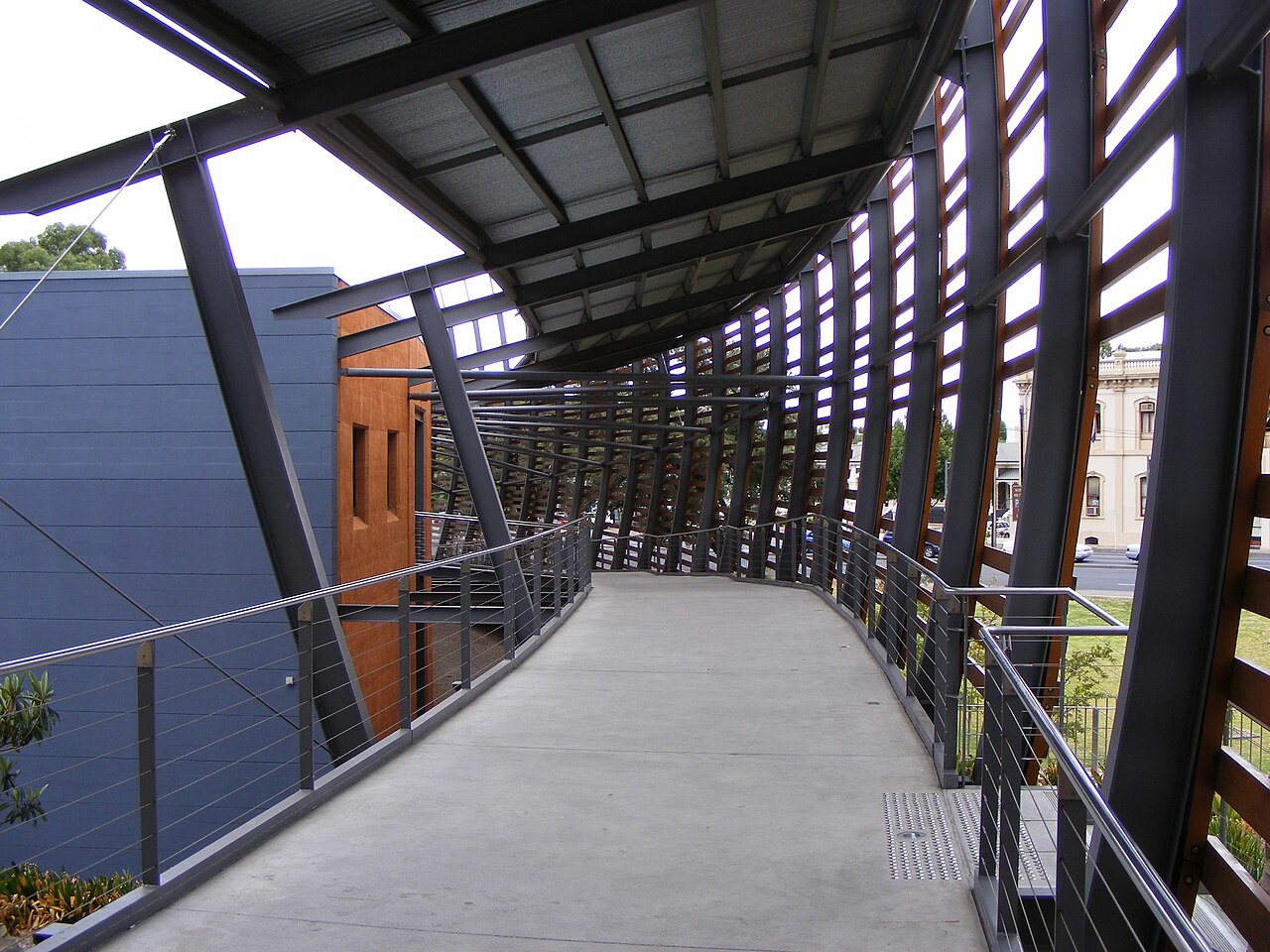
The Barossa Valley, about an hour north of the city, is the famous name, known for bold Shiraz and a heritage of German settlement. A small-group tour handles the driving and includes lunch and tastings. McLaren Vale, about 45 minutes south, is more relaxed and close to the sea, with Shiraz and Grenache as signature varieties, and the d'Arenberg Cube is a striking cellar door with views over the vines. The Adelaide Hills are cooler, with sparkling wines and crisp whites, and the village of Hahndorf adds bakeries, pubs and farm shops. For a quick taste of history, the Penfolds Magill Estate cellar tour is the closest winery visit to the centre.
Local flavours to look for
Try fresh seafood from the gulf, local cheeses, olive oil, almonds and citrus, and the German-influenced baking in the Hills. A classic Australian pie is a fair lunch, and the McLaren Vale tour with a pie lunch leans into that tradition. In summer, strawberries from farms near Hahndorf appear from November to April, and Barossa vintage season in late summer and early autumn is a fine time for cellar-door visits.
Practical tips
Never plan a tasting day without eating well, and choose a tour with a driver or arrange a designated driver. Cellar doors often close earlier than city restaurants, so start in the morning. Book popular restaurants for Friday and Saturday evenings, and check the opening days for markets and wineries, because many close one or two days a week. If you travel with children, the market is the easiest place to find something for every taste.
A simple food plan
Day one, market breakfast and wine centre masterclass. Day two, a wine region with lunch. Day three, Hahndorf for bakeries and farm shops, then dinner on Gouger Street.
Drinks beyond wine
South Australia also makes good craft beer, gin and cider, and many Hills and McLaren Vale producers pour them alongside wine. Coffee culture is strong, with a flat white at the market a fine start to the day. If you do not drink alcohol, ask cellar doors about juices, olive oil and food tastings, and look for restaurants that offer thoughtful alcohol-free pairings. Wherever you go, ask staff what is local and in season, because they are usually glad to point you to something you will not find at home.