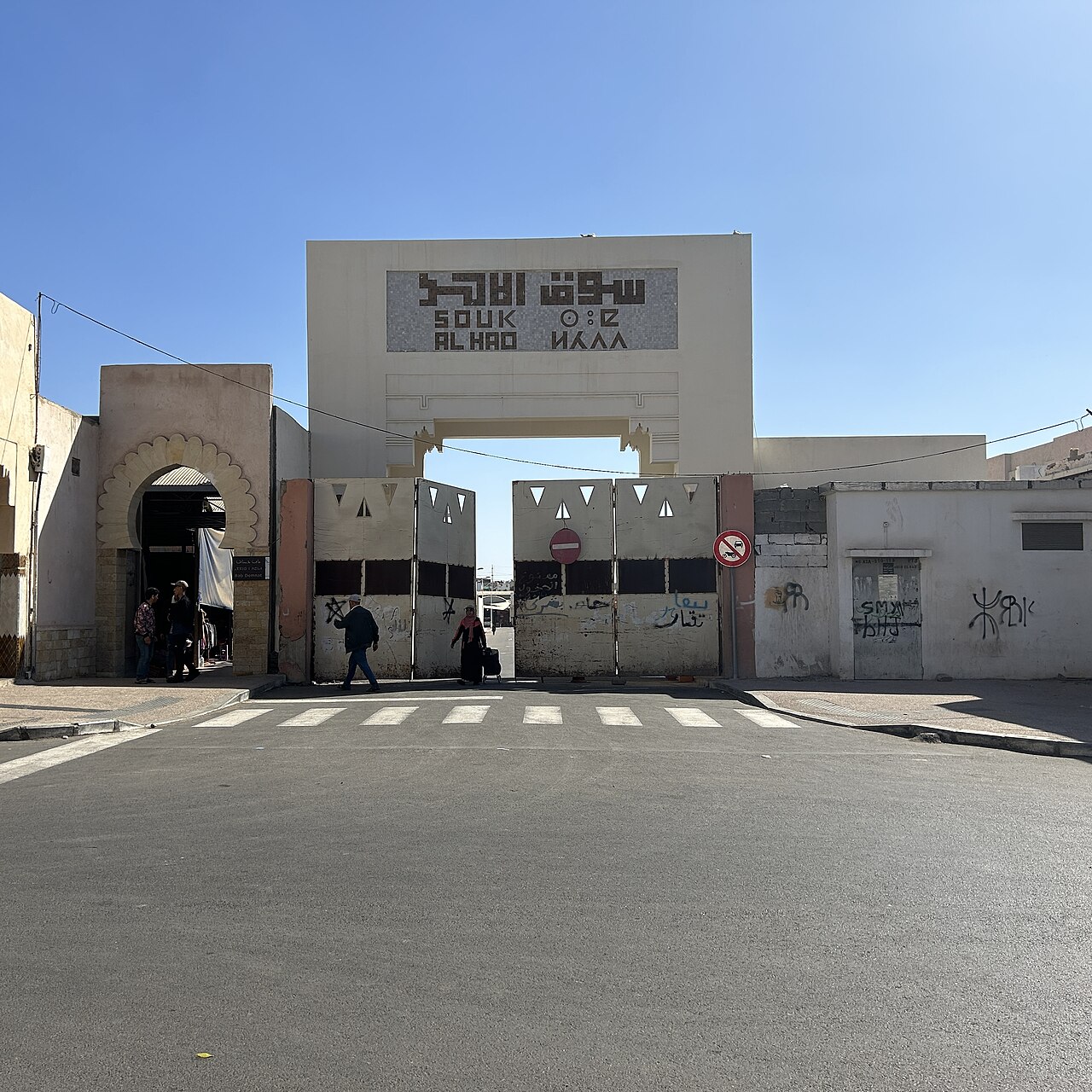
One of Morocco's strangest and most photographed sights is a goat standing in the branches of an argan tree. In the Souss region around Agadir, the trees are the source of argan oil, and during the fruiting season goats climb into the thorny canopy to eat the small fruit. Tours take you out of the city to a roadside spot where herders keep a few goats, and you can watch, photograph and learn how the trees, the animals and the local women's cooperatives that process the nuts are connected. Many tours then continue to Souk El Had, the huge covered market in Agadir, for a guided walk through the spice, produce and household stalls. Together the two stops make a lively half-day that is easy for children, older travellers and anyone looking for something distinctly Moroccan without a long drive.
Understanding the context makes the visit more rewarding. Argan trees grow almost nowhere else in the world, and the region of Agadir and Essaouira is their stronghold. The oil pressed from the kernels is used in cooking, cosmetics and traditional medicine, and cooperatives, mostly run by women, crack, grind and press the nuts by hand or machine. A good guide explains how the process works, lets you taste amlou, the local paste of argan oil, almonds and honey, and shows the difference between culinary and cosmetic oil.
Be aware that some roadside stops are staged, with goats placed in trees for photographs, and that the animals' presence varies with the season, so treat it as an interesting cultural stop rather than a wildlife safari.
Think about animal welfare. Reputable operators use goats that are accustomed to the trees and do not keep them there for long hours, and they avoid forcing animals into the branches. If something looks stressful for the animals, you can simply step away. Tipping the herder a small amount is customary if you take photographs. At Souk El Had, shop with a plan: bring small notes, bargain politely, and ask before photographing stall holders. The market is closed on Mondays, so choose another day for the tour.
Practical points are simple. Tours usually include hotel pickup and last two to four hours, and prices are modest. Wear comfortable shoes for uneven ground and carry water, a hat and sunscreen. Some itineraries add a visit to Crocoparc or an argan cooperative, so compare what is included before you choose. If you travel with children, the goats are the highlight, and the market adds colour.
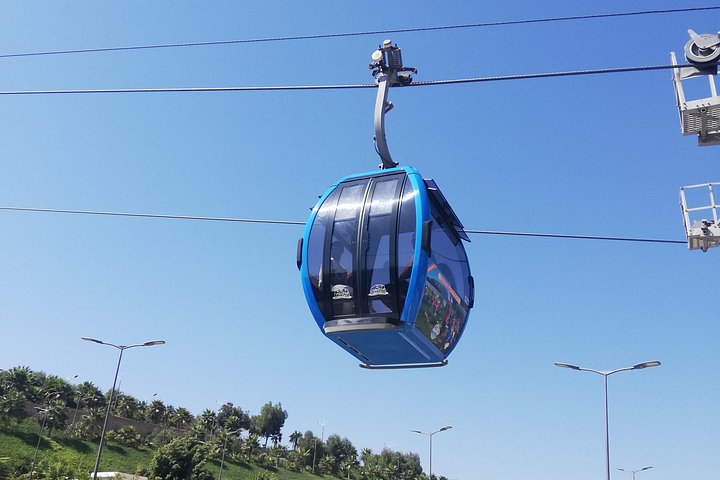
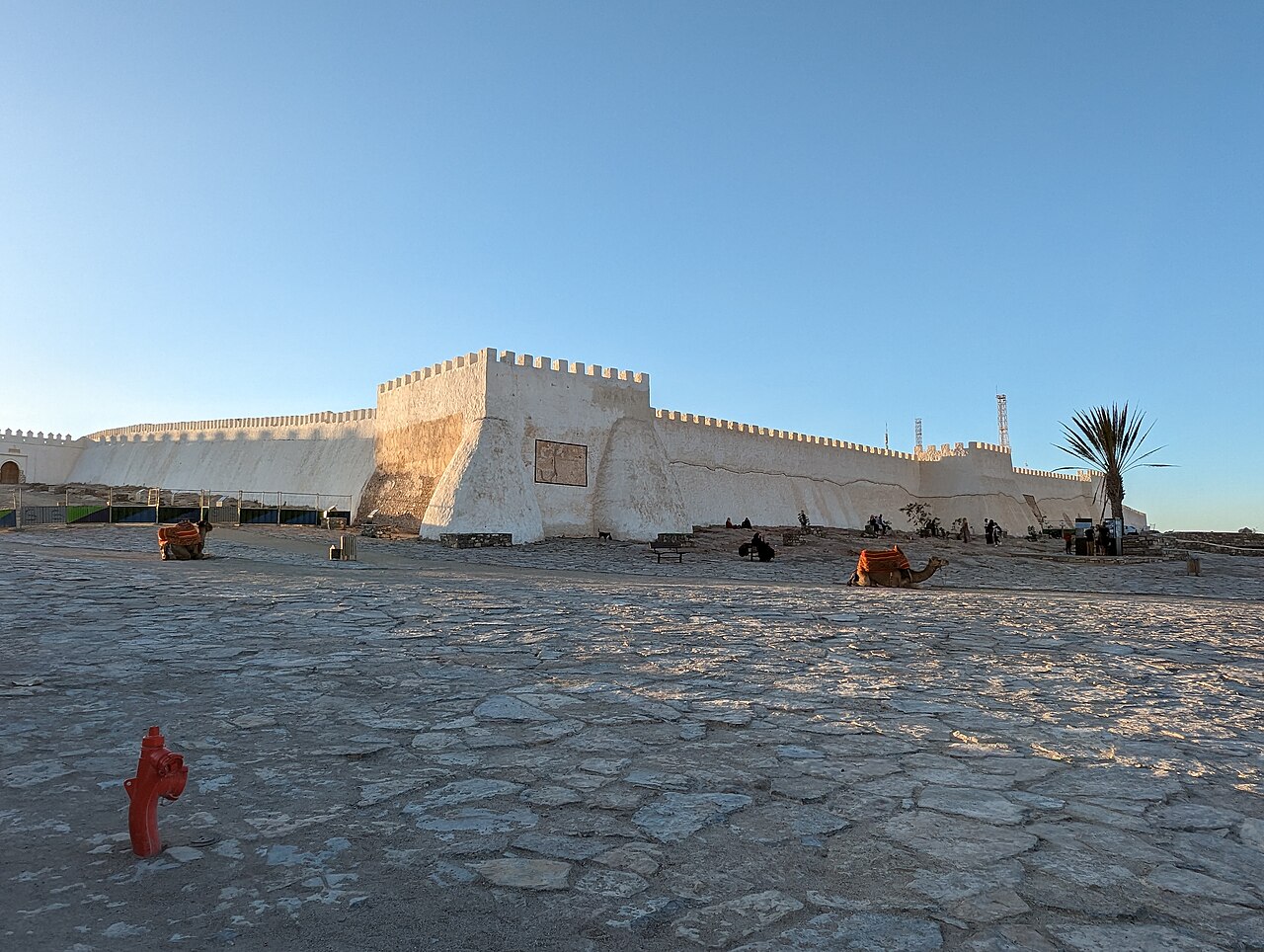
If you are interested in food, ask for a cooperative visit and buy oil directly from the producers. The tour pairs well with the cable car and the Oufella kasbah for a full day of sightseeing in Agadir, or with a quiet afternoon at the beach.
Allow flexibility in the day. The goats are most often seen from late spring to autumn, when the fruit ripens, so manage expectations in other months, and ask your guide to explain how oil is produced at a cooperative. A relaxed lunch of tagine or grilled fish afterwards rounds off the tour well. Travellers who enjoy food may like to ask for a tasting of argan oil and amlou, which pairs well with fresh bread.
What to expect
The experience
A short guided trip to see goats in argan trees and learn about argan oil, usually combined with a walk through Souk El Had.
Best time
Morning or early afternoon; the market is closed on Mondays.
How long
Two to four hours including hotel transfers.
Tips
Bring small notes for tips and market purchases, wear comfortable shoes and treat the goat stop as a cultural, not wildlife, experience.
Quick picks
- Best for
- Families and curious first-time visitors who want a short, quirky introduction to Souss countryside.
- Families
- A highlight for children: the goats are the star, and the market adds colour.
- Couples
- A light, fun half-day rather than a romantic outing.
- Pair with
- Pair it with the cable car and Oufella kasbah or a beach afternoon.
- Time needed
- A morning or afternoon.
Good questions
Do goats really climb argan trees?+
Yes. During the fruiting season goats climb into the branches to eat the fruit, though some roadside stops are staged for visitors.
Is the tour suitable for children?+
Yes, it is short and easy. Children usually love the goats, and the market adds colour.
Which day should I avoid?+
Mondays, because Souk El Had is closed that day.
Can I buy argan oil on the tour?+
Often yes, at a cooperative where the process is explained. Ask about culinary versus cosmetic oil and compare before you buy.
Are the goats treated well?+
Reputable operators use accustomed animals and keep stops short. If something seems stressful for the goats, step away.