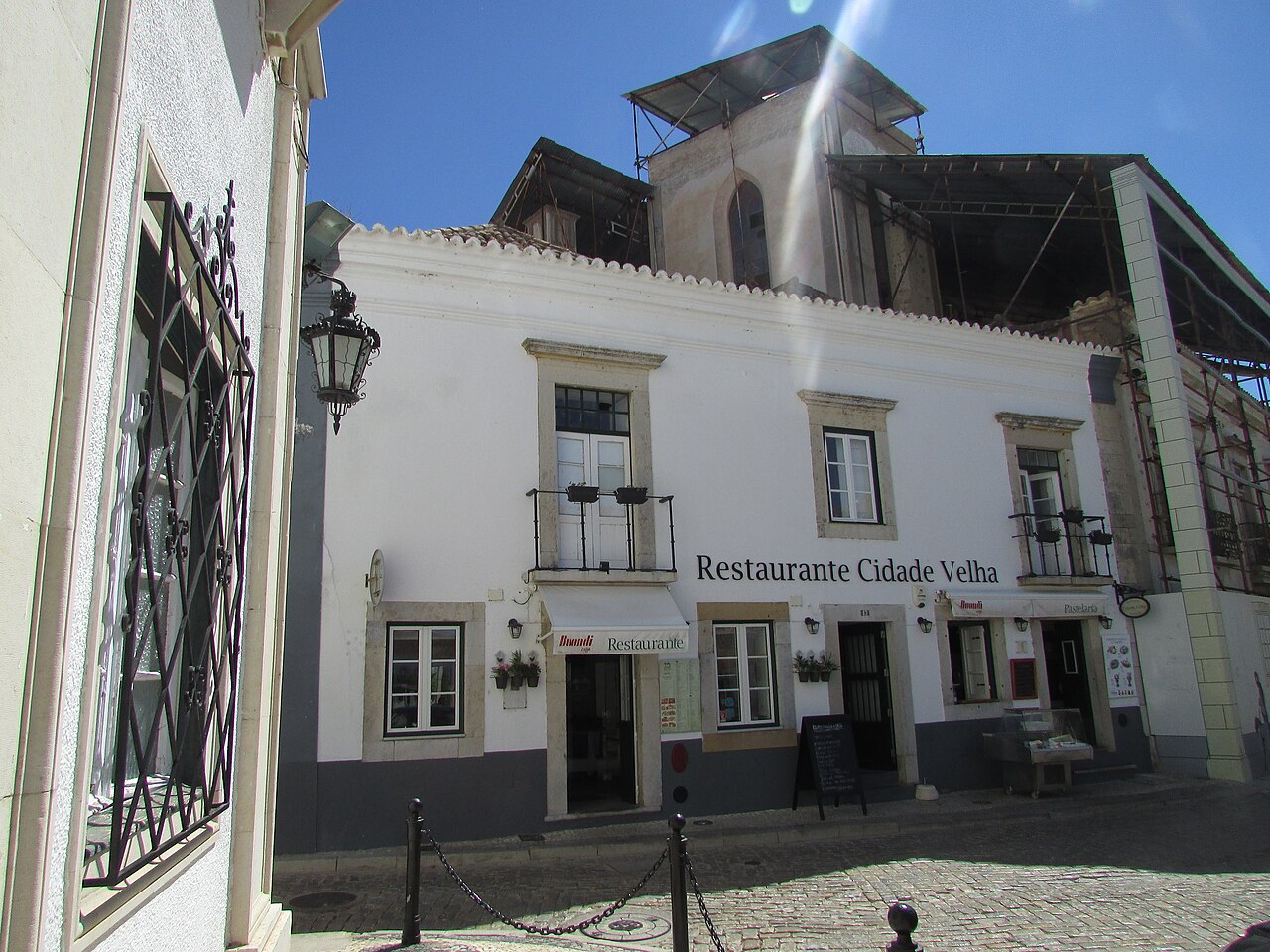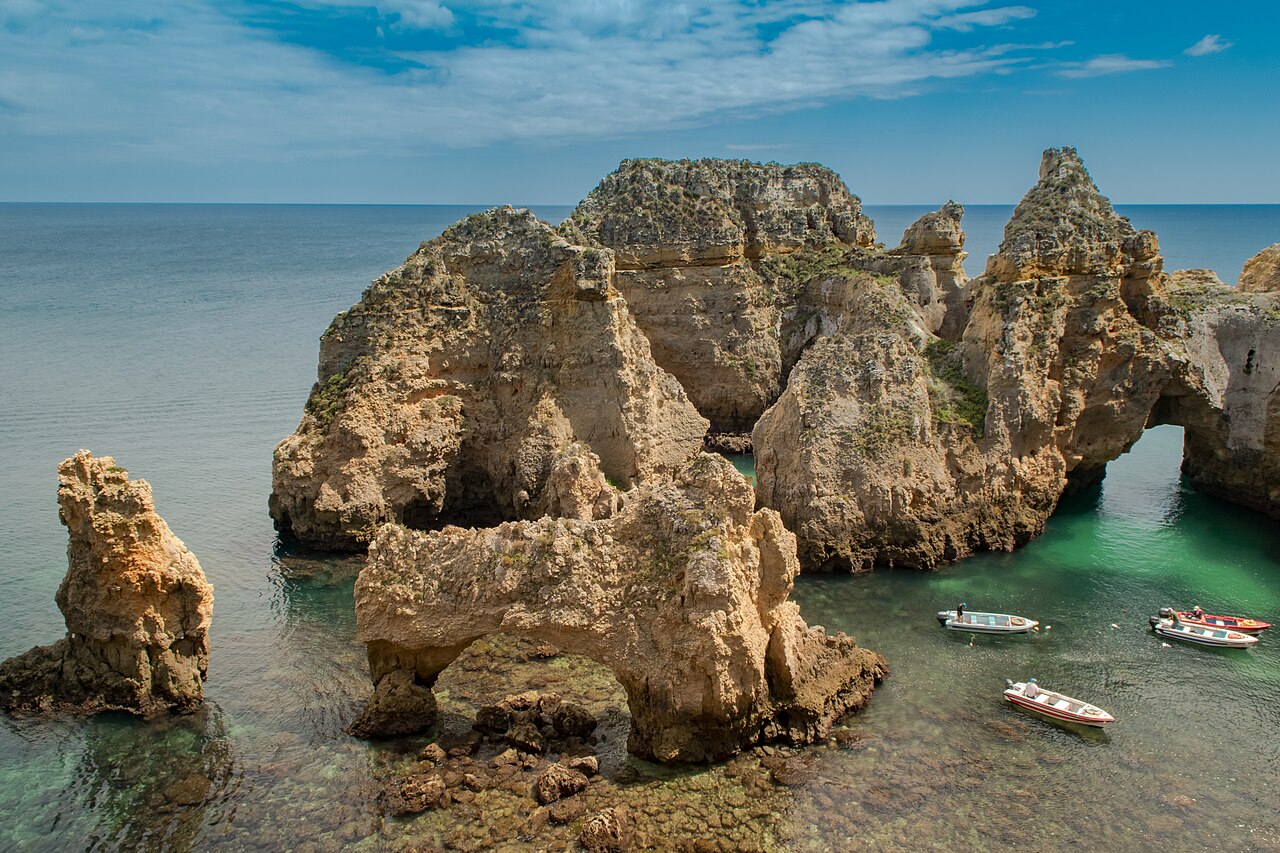
Lagos old town is compact, walkable and layered with history, and it is the best place to understand why this coast mattered long before tourism arrived. The town sits on a sheltered bay at the mouth of the Bensafrim river, and from here Portuguese caravels set out in the fifteenth century on voyages down the African coast, under the patronage of Prince Henry the Navigator, whose statue looks over the Praça Infante Dom Henrique. Parts of the old city walls still stand, with gates leading into pedestrian lanes of whitewashed houses, shops, small restaurants and squares. Among the sights are the Igreja de Santo António, a small church whose interior is covered in gilded woodcarving, the Fortaleza da Ponta da Bandeira, a seventeenth-century fort guarding the harbour entrance, and the building on the square that was used as a market for enslaved people from Africa, now presented as an exhibition and one of the more sobering stops on any tour. A walking tour adds context to all of this, and several operators run guided walks of an hour or two. The marina and the riverside promenade give a pleasant evening stroll, and Lagos has a lively evening scene with bars, live music and seafood restaurants. Beaches such as Praia Dona Ana and Praia do Camilo, reached by wooden steps, are within a short walk or a taxi ride, and Ponta da Piedade is just beyond.
A suggested walk
Begin at the marina, cross the pedestrian bridge to the old town, and head to the Praça Infante Dom Henrique. Walk to the Igreja de Santo António, then follow the walls to the fort at Ponta da Bandeira. Return through the lanes for lunch, and finish at the waterfront as the afternoon light softens. Allow two to three hours, longer with museum visits. Opening hours for the church, fort and museum vary and some close on one day a week, so check locally.
Understanding the history
Lagos was a base for exploration, trade and, in the fifteenth century, the beginning of the Portuguese involvement in the Atlantic slave trade. A guided walking tour helps to put the monuments in context, and a good guide will talk about both the achievements and the cost of the age of discoveries. Self-guided options exist for those who prefer to wander at their own pace.
Eating and evenings
The lanes behind the main street fill with restaurants serving grilled fish, cataplana and petiscos, with live music in the evening in summer. Out of season the town is quieter, and many places close one day a week. Prices are higher on the main pedestrian street than in the side lanes.
Practical tips
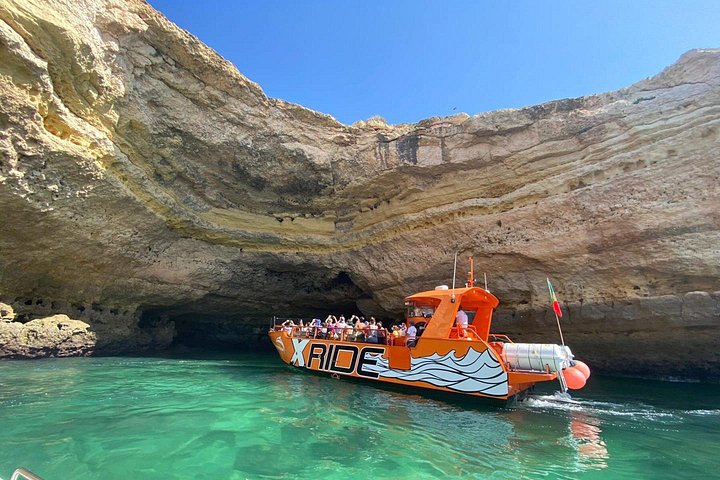
The old town is flat, but the cobbles are uneven. Parking within the walls is restricted, so use the car parks along the riverfront or near the marina. Lagos is the western terminus of the Algarve rail line, so arrival by train from Faro, Albufeira or Portimão is easy. In July and August the old town is busy by early evening, so sightsee in the morning and keep the late afternoon for the beach or a boat trip to the grottoes.
What to expect
The experience
A self-guided or guided walk through the walled old town, church, fort and harbour.
Best time
Morning for sights, evening for restaurants and the waterfront; spring and autumn for comfortable walking.
How long
Two to four hours depending on how many museums you visit.
Tips
Check opening days for the church, fort and museum, wear shoes for cobbles and use the car parks outside the walls.
Quick picks
- Best for
- Anyone staying in Lagos or visiting for a day from the western coast.
- Families
- Children enjoy the fort, the harbour and the ice cream; keep a hand near the water.
- Couples
- Dinner in a side lane, then a stroll along the marina.
- Pair with
- Ponta da Piedade, Dona Ana beach and a sunset cruise.
- Time needed
- Half a day.
Good questions
What are the main sights in Lagos old town?+
The Igreja de Santo António, the Fortaleza da Ponta da Bandeira, the city walls, the Praça Infante Dom Henrique and the former slave market exhibition.
Is a guided walking tour worth it?+
Yes, for context. A guide explains Lagos's role in the age of discoveries and the slave trade, which the buildings alone do not.
How long do I need?+
Two to three hours for a walk, longer if you visit the church, fort and museum.
Can I reach Lagos by train?+
Yes. Lagos is the western terminus of the Algarve line, with trains from Faro, Albufeira and Portimão.
Where are the nearest beaches?+
Dona Ana and Camilo are a short walk or taxi ride south, and Meia Praia stretches east from the marina.