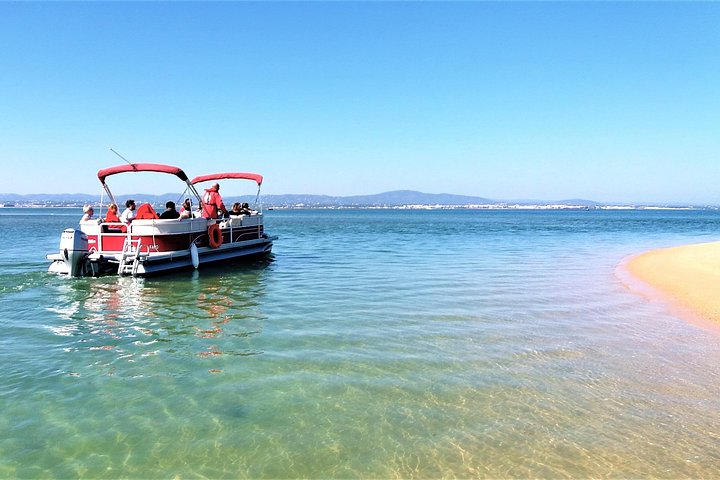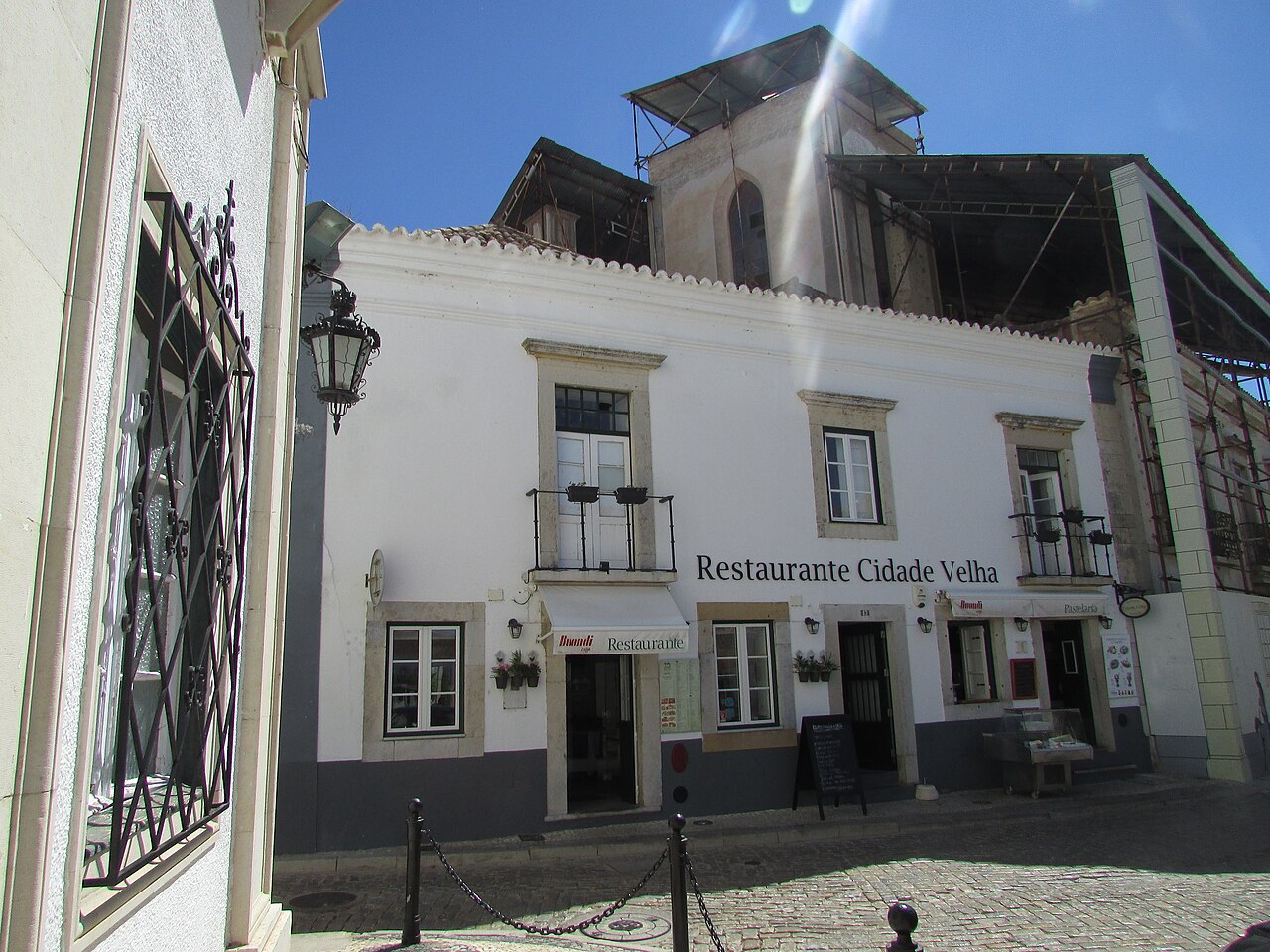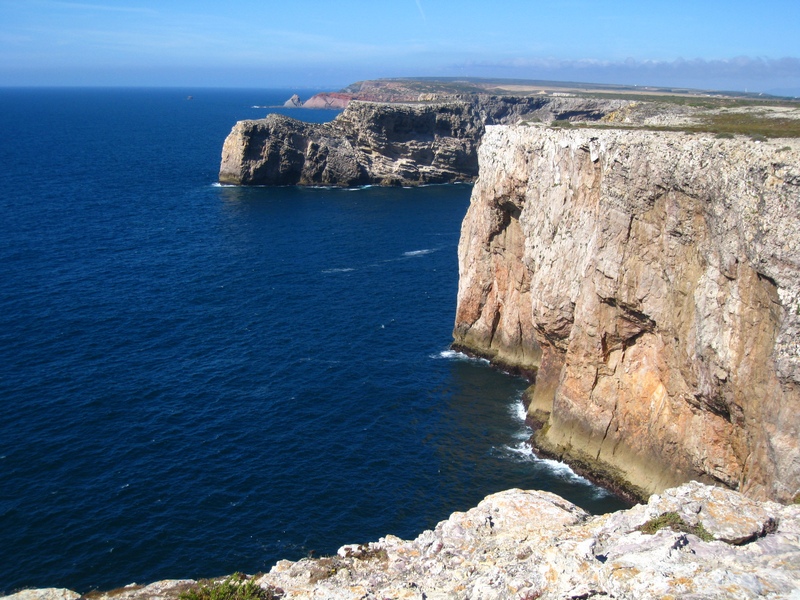
Tavira is the town that many visitors say they wish they had stayed in. It lies on the eastern Algarve, about forty minutes by road or a short train ride from Faro, on the Gilão river, which divides the old centre and is crossed by a seven-arched bridge often called the Roman bridge. Whitewashed houses with distinctive hipped, tiled roofs line the river, church towers rise above the roofs, and the pace is calmer than in the resorts of the central coast. The town's historic core can be walked in a morning. A short climb leads to the remains of the castle, where a small garden gives a view across the roofs to the salt pans and the sea, and a camera obscura in a tower offers a rotating view of the town. Many of the town's churches, among them the Igreja da Misericórdia with its Renaissance doorway, are worth a look inside. Tavira's riverside squares fill with cafes and restaurants serving grilled fish, octopus and seafood rice. Beyond the town is the Ria Formosa lagoon and its barrier island, Ilha de Tavira, reached by a short ferry from the quay at Quatro Águas, where a long, wide beach has space even in summer. Further east, Cacela Velha is a small whitewashed village on a hill above the lagoon, with a fort, a church and a view over the sand bars, and a favourite for photographs and a quiet drink. Together, the town, the island and the village make a very different day to the western cliffs.
Planning a day
Arrive in the morning, walk the old town and climb to the castle while the light is soft, and have a long lunch beside the river. In the afternoon, take the ferry to Ilha de Tavira for a swim and a walk along the sand, or drive on to Cacela Velha for sunset over the lagoon.
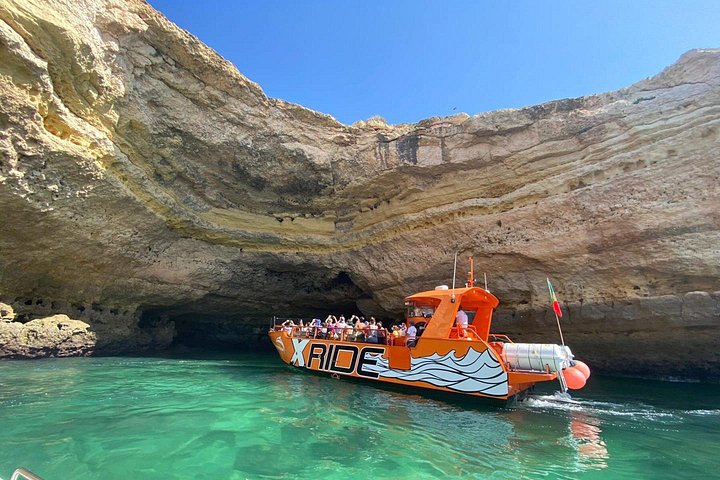
In high summer the ferry queues build up around midday, so go early or late. Organised tours from Faro and Albufeira combine Tavira with Cacela Velha and the Ria Formosa in a private 4x4 or small-group format and take care of the driving.
Getting there
The regional train between Faro and Tavira takes under an hour and runs through the Ria Formosa; the station is a short walk from the old centre. Driving is simple via the A22, and parking is available near the river. A bus connects with Cacela Velha, but a car or tour is easier. Visiting from Faro makes a good day trip, but an overnight stay lets you see the town after the day trippers have gone.
What to know
The cobbled streets are uneven and hilly, so wear comfortable shoes. Many restaurants close one day a week, often on Monday or Tuesday, and out of season some close for longer breaks. Tavira has a long tradition of tuna fishing and salt production, and you may see salt pans and flamingos on the lagoon edge.
In summer the heat peaks in the afternoon, so plan swimming and lunch for those hours and walking for the morning or evening. Look out for the little shops selling almond and fig sweets, a Tavira favourite, and for the evening light on the river, which is the best moment for photographs from the bridge.
What to expect
The experience
A day in a historic riverside town, with an optional ferry to Ilha de Tavira and a visit to Cacela Velha, by train, car or guided 4x4 tour.
Best time
Spring and autumn for walking, summer for the island beach; mornings are best for the old town.
How long
A full day; half a day for the town alone.
Tips
Wear comfortable shoes for the cobbles, go early for the island ferry in summer and check restaurant closing days.
Quick picks
- Best for
- Travellers who want a quiet, beautiful town after the western cliffs.
- Families
- The island beach is shallow and family friendly, and the train from Faro is a good adventure for children.
- Couples
- Dinner by the river, then Cacela Velha at sunset.
- Pair with
- Faro old town, the Ria Formosa boat trip and Cacela Velha.
- Time needed
- A full day, or an overnight stay.
Good questions
How do I get to Tavira from Faro?+
By regional train in under an hour, by car on the A22 in about 40 minutes, or on a guided tour that includes Cacela Velha.
What is the best thing to do in Tavira?+
Walk the old town, cross the Roman bridge, climb to the castle garden and take the ferry to Ilha de Tavira for the beach.
Is Cacela Velha worth a visit?+
Yes. It is a tiny whitewashed village on a hill above the lagoon, with a fort, a church and a view over the sand bars. A short visit is enough.
Do I need a car?+
No. The train reaches Tavira, and tours cover Cacela Velha. A car adds flexibility for the villages further east.
When should I go?+
Spring and autumn are comfortable for walking. Summer suits the island beach, but the heat is strong in the afternoon.