Almaty is one of the great food cities of Central Asia, a place where nomadic Kazakh cooking, Uyghur noodles, Korean salads, Russian pastries and a modern coffee scene sit side by side. The city is also known for its apples, and the name Almaty is often linked to the word for apple in Kazakh. Whether you eat in a bazaar, a family restaurant or a stylish cafe, the best approach is to be curious, share dishes and ask what the locals order.
Start at the Green Bazaar
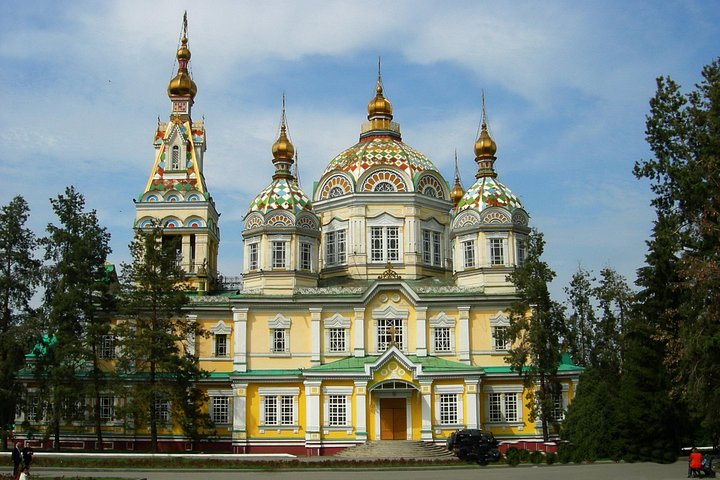
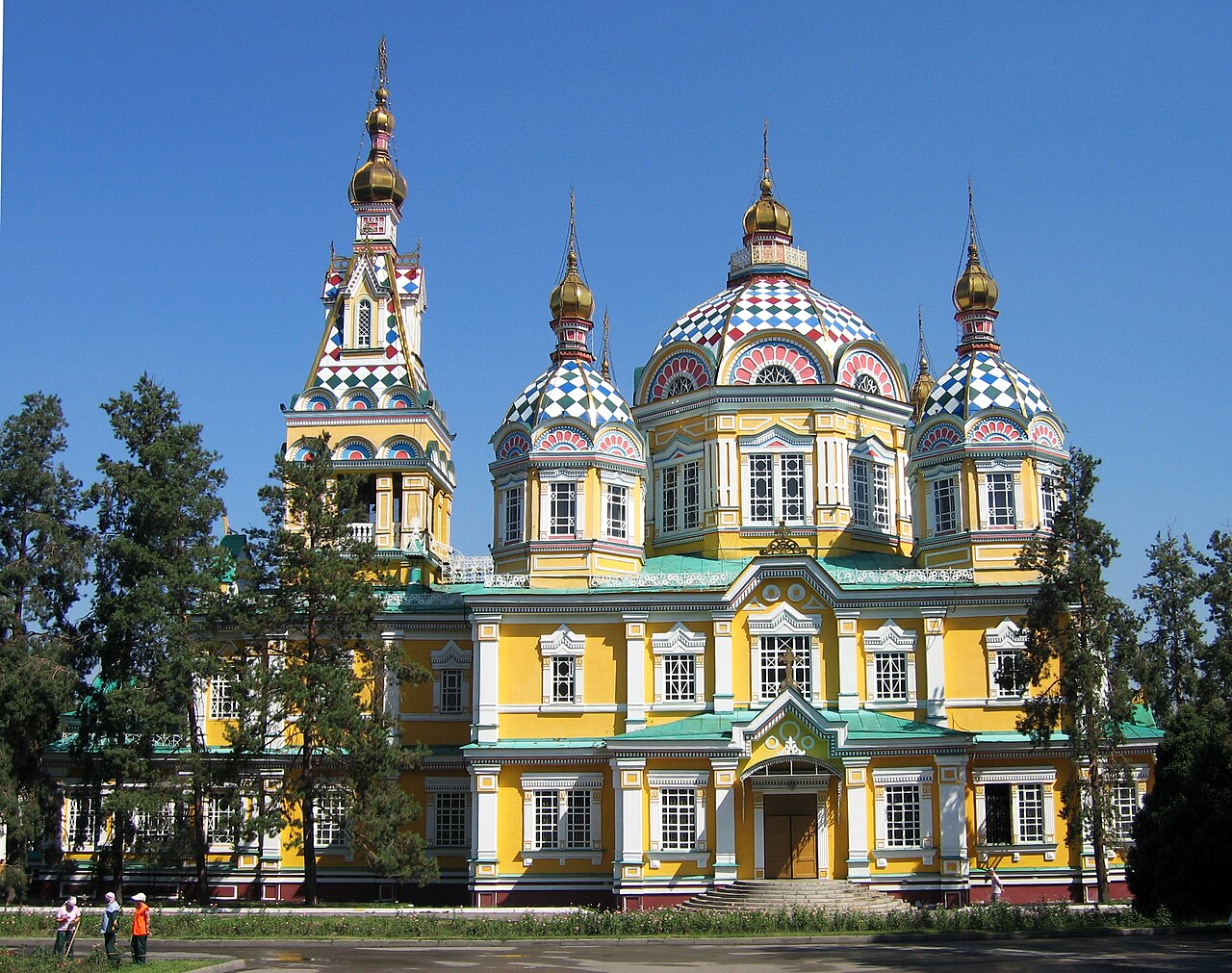
The covered market is the best single place to taste Almaty. Wander the halls for dried apricots, raisins, nuts, honey and sweets, and try kurt, the hard salty cheese balls that herders have eaten for centuries. The meat section sells horse sausage, called kazy, which is a classic festive food, and small eateries around the edges serve samsa pastries, plov and soup. Take small bills, ask before photographing stalls and accept tastes graciously. A morning visit is liveliest, and it pairs well with Zenkov Cathedral nearby.
Dishes to try
Beshbarmak is the national dish, boiled meat served over wide noodles with onion and broth, and it is traditionally eaten with the hands at celebrations. Plov is a rich rice dish with carrot and meat, manti are steamed dumplings, and lagman is a hearty noodle soup with Uyghur roots. Baursaks, small fried dough pieces, appear on every table with tea. Vegetarians can find salads, dumplings with pumpkin or potato, and vegetable soups, though meat is central to the traditional menu, so say what you need clearly.
What to drink
Tea is constant and generous, served in small bowls and refilled often. Traditional fermented drinks include kumis, made from mare's milk, and shubat, made from camel milk. Both are tangy and an acquired taste, but worth one sip for the experience. For something more familiar, Almaty has an active coffee scene, with roasters and cafes in the central streets, and a growing set of craft beer and wine venues. Local fruit juices and compotes are widely available, especially in summer.
Food tours and classes
If you want guidance, a guided food walk or a Kazakh cooking class is an excellent use of a half day. A guide can explain the dishes, introduce you to family-run places and handle the ordering, which removes the guesswork from menus in Kazakh and Russian. A food walk also pairs well with a visit to the bazaar and the old center.
Eating on day trips
On Charyn, Kolsai and the mountain outings, lunch is usually a simple village or roadside meal, often with grilled meat, soup, bread and salads, or a packed picnic from the operator. Mountain restaurants near Shymbulak and the gorges serve hearty dishes that suit cold weather. Tell your operator about allergies or dietary preferences in advance, carry snacks and water, and bring some cash for small stops. At nomad-themed cultural visits, lunch is often a showpiece of traditional dishes, a good chance to try a few at once.
Dining by neighborhood
The central streets around Panfilov Park and the pedestrian lanes have cafes and restaurants for every budget, while the southern business district around Al Farabi Avenue has polished dining and hotel restaurants. High-floor venues in the Ritz-Carlton tower offer city views with your dinner, and hotels such as the InterContinental have several restaurants and bars if you want a reliable meal after a long day. Dostyk Plaza is a good area for a casual stroll and a choice of cafes.
Etiquette and tips
Hospitality matters. If you are invited to a home, bring a small gift, accept tea and food, and do not refuse more than once or twice. Tipping is customary in restaurants if a service charge is not already added. Tap water is usually not recommended for drinking, so choose bottled water. Eat at busy counters where turnover is high, and use judgment with raw items in hot weather.
A sample day of eating
Begin with tea, bread and a pastry or a hearty breakfast at your hotel, then head to the bazaar for a mid-morning tasting round. Have a light lunch of soup or manti, spend the afternoon over coffee and a pastry in a park-side cafe, and save a long dinner for beshbarmak, grilled meats or plov with salads and fresh bread. In the evening, finish with tea and sweets, and walk it off along the lit streets of the center.
Edible souvenirs
Dried apricots, nuts, honey, tea, spice mixes and sweets are easy to pack and make great gifts. Many bazaar stalls will vacuum-pack dried fruit for travel. Check customs rules for dairy and meat products if you plan to take them home.