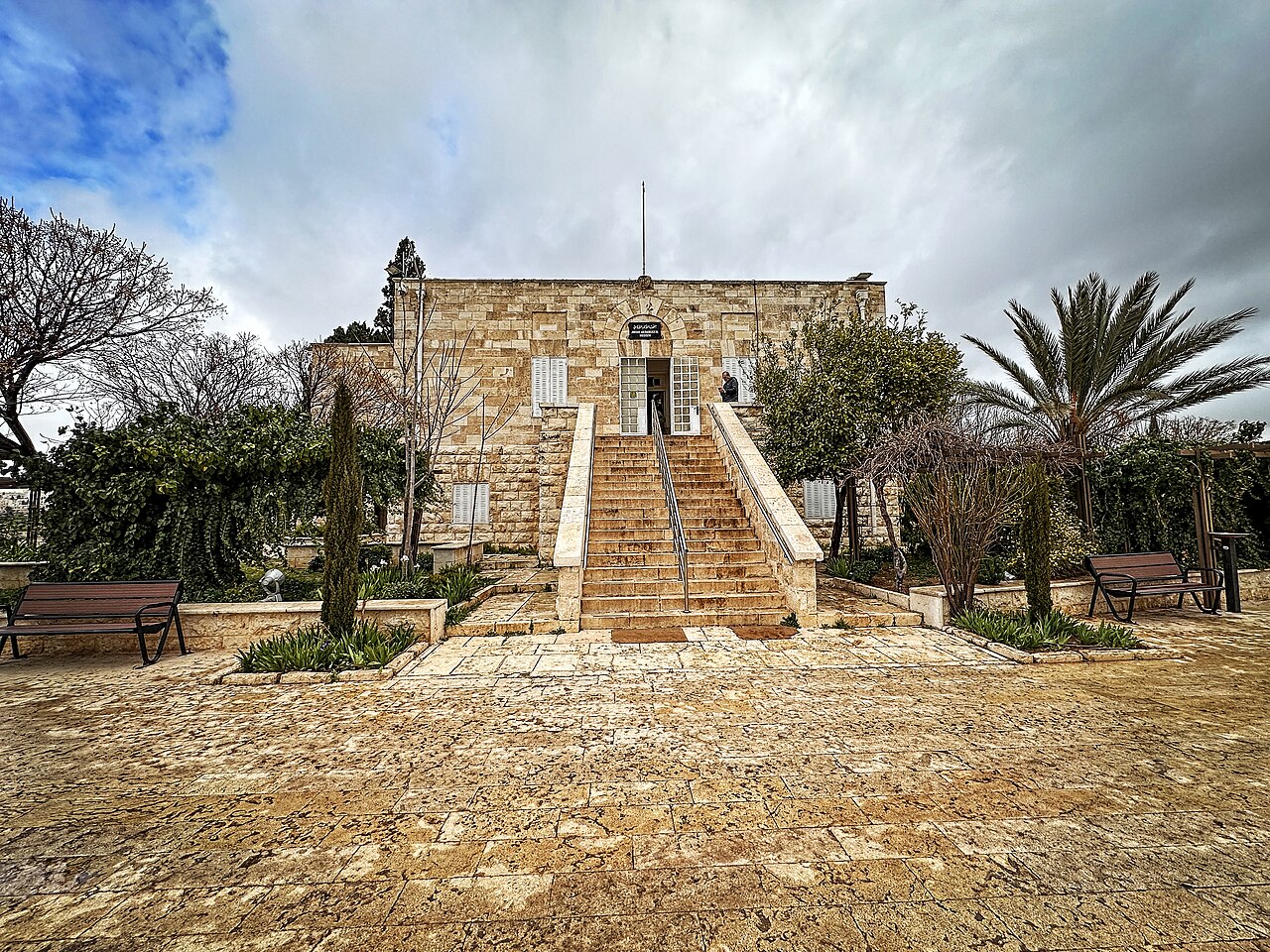
If you want the long story of Jordan under one roof, the Jordan Museum in the Ras Al-Ain district is the place. Opened in 2014, it walks you through the country’s history in chronological galleries, from the earliest settlements and the Neolithic period through the Bronze and Iron Ages, the Nabataeans, the Romans and Byzantines, and into the Islamic era. The headline objects are the Ain Ghazal statues, large plaster human figures from around nine thousand years ago and among the oldest of their kind, and the display of Dead Sea Scrolls material, including the famous Copper Scroll. It is also the best primer for a trip to Petra, Jerash or Madaba, because it gives the context the sites themselves often lack. Labels are in Arabic and English, and the galleries are air-conditioned, which makes it a good midday refuge.
Why go
The sites around Amman are mostly open-air ruins, and a museum visit before or after a day trip turns a list of columns into a timeline. Seeing the statues from Ain Ghazal and the finds from Petra and the Dead Sea region in one building makes the rest of your Jordan itinerary easier to read.
Practicalities
The museum is in Ras Al-Ain, a short taxi ride from Downtown and within walking distance of some central hotels. The museum has been through re-development work, so opening hours, the weekly closing day and ticket prices can change; confirm them through its social media pages or by email before you set out. Allow at least two hours.
Making the most of it
Start with the earliest galleries and work forward, take a guide or audio option if offered, and finish with a coffee nearby or a walk toward Rainbow Street. It is a calm, shaded stop that balances a busy morning at the Citadel and Roman Theatre.
What to expect
The experience
A self-guided national museum with chronological galleries and English labels.
Best time
Midday, when it is a cool break from the heat; check the weekly closing day first.
How long
Two to three hours.
Tips
Confirm hours through the museum’s social media or email, start with the earliest galleries and go chronologically.
Quick picks
- Best for
- Anyone who wants context before visiting Petra, Jerash or Madaba.
- Families
- The statues and scrolls interest older children; younger ones may tire after an hour.
- Couples
- A relaxed indoor morning or afternoon, easily paired with Rainbow Street.
- Pair with
- Rainbow Street for coffee, or the Citadel the day before.
- Time needed
- Two to three hours.
Good questions
What are the highlights of the Jordan Museum?+
The Ain Ghazal statues, some of the oldest large human figures ever found, and the Dead Sea Scrolls material are the headline objects. The chronological galleries add Nabataean, Roman, Byzantine and Islamic finds.
How long should I plan?+
Two hours covers the main galleries, and three is comfortable for a keen history fan. Start early if you plan to add other sights the same day.
What are the opening hours?+
Hours and the weekly closing day change, and the museum has been through re-development work. Check its social media pages or email before you go.
Is it good for a rainy or hot day?+
Yes, the galleries are indoors and air-conditioned, which makes it a good refuge from midday summer heat or winter rain.
Is it worth it before a Petra or Jerash trip?+
Yes. It gives the timeline and context that make the ruins easier to understand, and it holds finds from across the country.