Amman is a year-round city, and the best time to visit depends on what you want to do. Spring and autumn are the most comfortable for walking the ruins, summer is hot but dry and suits the Dead Sea and the evening scene, and winter is cool, sometimes wet and pleasantly quiet. Here is how each season feels and what to plan for.
Spring: the easiest season
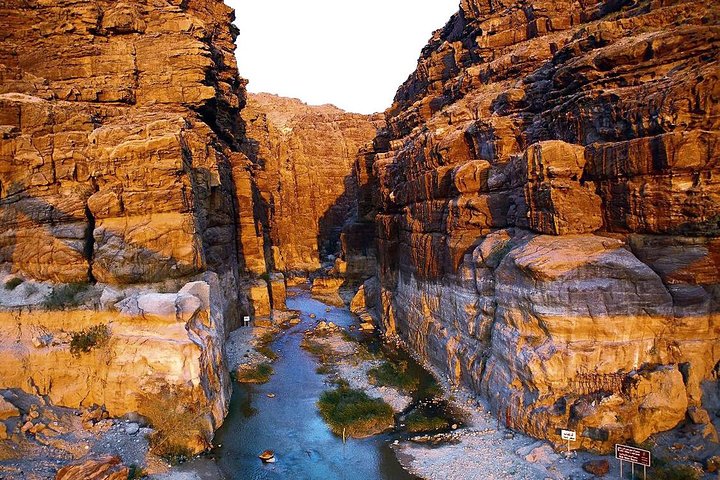
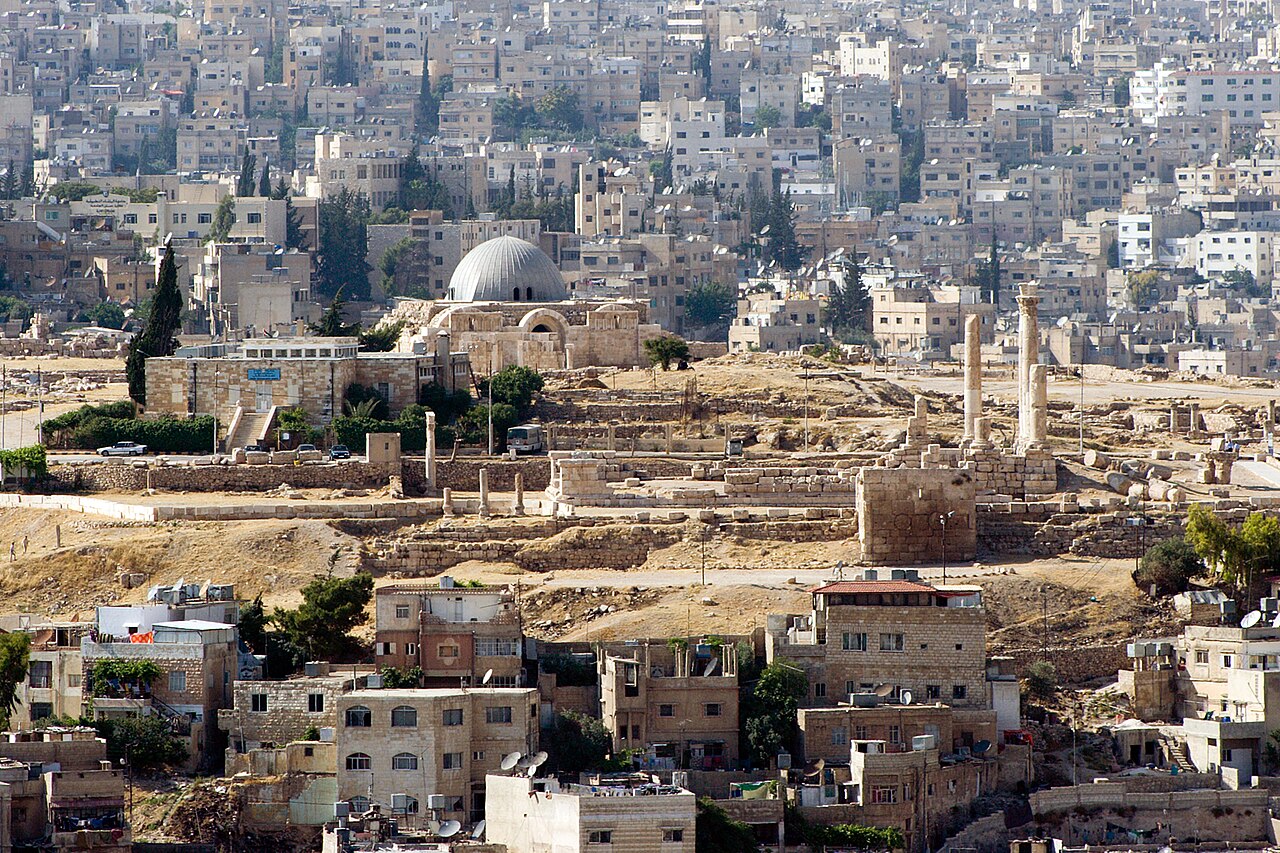
March to May brings mild days, green hills and clear light, and it is the best time for the Citadel, the Roman Theatre and the long walks between them. It is also the best season for Jerash, Madaba and Mount Nebo, with comfortable temperatures and good views. Evenings can still be cool, so bring a light jacket. Spring is popular, so book hotels and drivers a little earlier than usual. The Wadi Mujib trail opens from April, and the water is cold but the days are warm enough to enjoy it.
Summer: hot, dry and lively
From June to August days are hot but the air is dry and the evenings cool off. Plan open-air sights for the morning or late afternoon and use the middle of the day for museums, which are indoors and air-conditioned, such as the Jordan Museum and the Royal Automobile Museum. Summer is the season of the Friday Souk Jara market on Rainbow Street, roughly from June to August, and of outdoor terraces and late dinners. It is the best time for the Wadi Mujib Siq Trail, where the cool water is a relief, and for a Dead Sea float, but bring sun protection and plenty of water. Hotels with outdoor pools are at their best, and some seasonal pools open only for a few months.
Autumn: warm and golden
September to November is as comfortable as spring, with warm days, softer light and fewer crowds by November. The Dead Sea is still pleasant for floating, the Citadel is lovely in the late afternoon, and the Wadi Mujib trail closes at the end of October. Seasonal pools start to close from the end of October and early November, so check facilities for your dates if swimming matters. Later in autumn, the first rains can arrive.
Winter: cool, quiet and sometimes wet
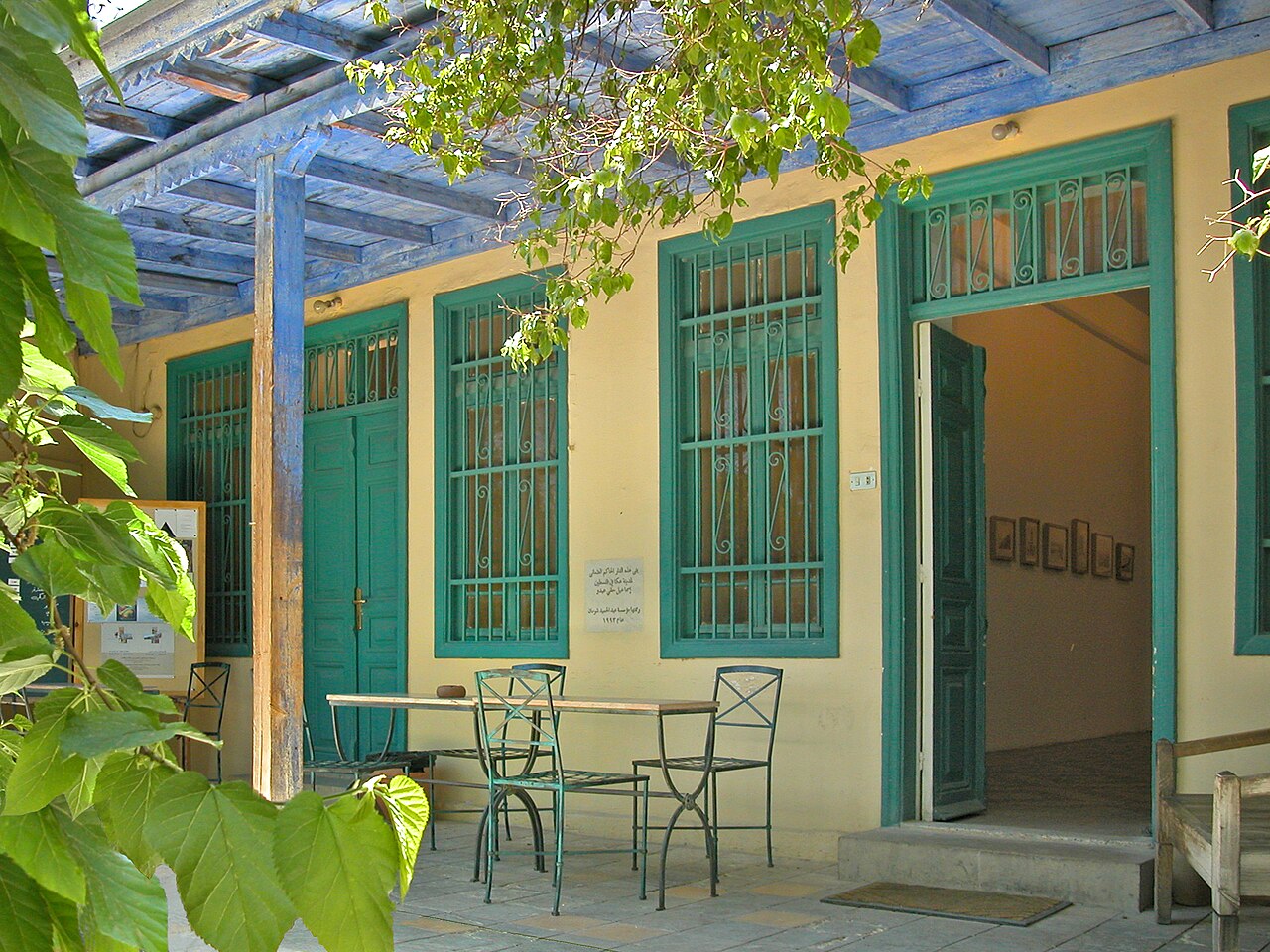
December to February is cool, and Amman, which sits on high ground, can be cold, with rain and occasionally snow. Sightseeing is still excellent, with fewer visitors and cooler walking, but bring a warm coat, waterproof shoes and an umbrella. Site hours are shorter from November to April, and Jerash, for example, closes in the mid-afternoon, so start early. Indoor sights such as the Jordan Museum, the Royal Automobile Museum and Darat al Funun come into their own, and hotels with indoor pools and spas become more appealing. Check your forecast before a day trip, since rain can affect the Dead Sea road and closes canyons.
Ramadan and holidays
The dates of Ramadan move earlier each year, so check the calendar for your trip. During Ramadan, restaurants and cafés often keep shorter daytime hours, many open at sunset for the evening meal, and eating or drinking in public in daylight is discouraged. Some attractions and cultural centers close earlier, and Darat al Funun, for example, closes at mid-afternoon in that month. The evenings are lively and welcoming, and a shared evening meal can be a highlight, but plan sightseeing for the mornings. Public holidays and Eid bring closures and busy roads, so book early and confirm hours.
Shoulder-season strategy
If you can choose, aim for late March to May or late September to early November. You will get the best weather for Petra, Wadi Rum and Jerash and can combine Amman with the rest of Jordan. If you are visiting in summer, use the early morning and the late afternoon, and rest in the middle of the day. If you are visiting in winter, treat the rainy days as museum days and plan the outdoor sights for the clear ones.
What to pack
For spring and autumn, layers and comfortable shoes. For summer, light clothing that still covers shoulders and knees, a hat, sunscreen and a swimsuit. For winter, a warm coat, waterproof shoes and an umbrella. Modest dress matters at mosques and churches in every season, and women may need a scarf to cover their heads at mosques.
Travel conditions
Whatever the season, check the current government travel advisory for Jordan before you book, and choose flexible rates where you can.