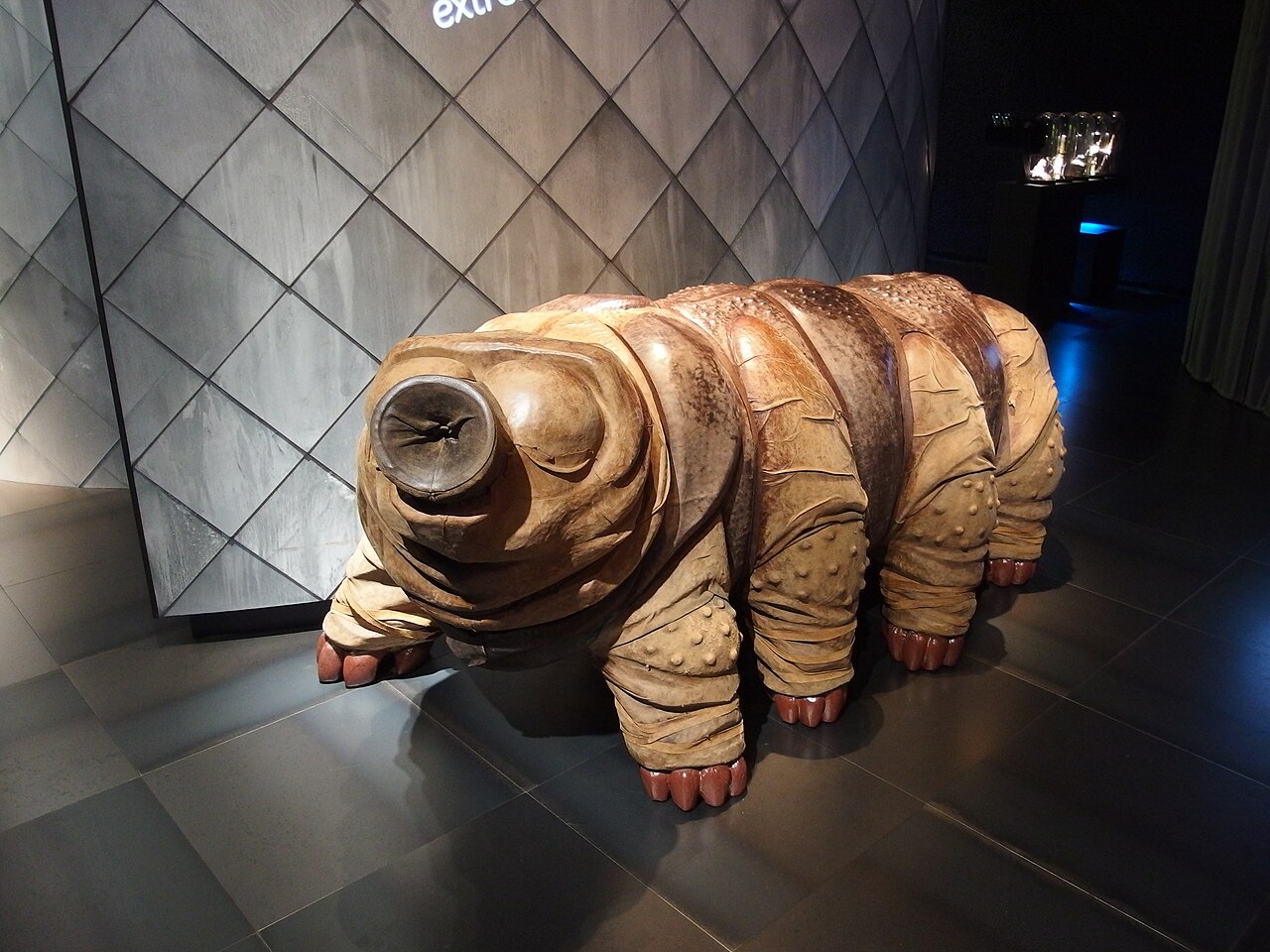
Micropia is one of the more unusual museums in the Netherlands, and one of the few anywhere that is devoted to the microscopic world. The idea is simple and slightly mind-bending: the bacteria, yeasts, viruses and other microbes that live on your skin, in your food and all around you vastly outnumber everything else you can see, and they are mostly invisible. The museum sets out to make them visible, using microscopes, large-scale projections and displays that let you look at the living things that share your body and your city. It sits at Plantage Kerklaan 38-40, directly next to the ARTIS zoo, in the Plantage district on the eastern side of the Amstel, and it is reached by tram or by a walk of about ten minutes from the Waterlooplein metro station. The ticket page lists it as open every day from 11:00 to 17:00, which is a shorter day than most big museums, so plan your arrival rather than turning up late. It is a modern, compact museum rather than a sprawling one: you move through a sequence of themed rooms, from the basic question of what a microbe is to the roles microbes play in food, health and the planet, and you are encouraged to look, press and try rather than read long wall texts. The operator also lists an exhibition titled The Night Watch Lives starting on 11 November 2026, so check what is on when you book. Micropia belongs to the same family as ARTIS, and a combined ticket with the zoo is sold at a discount, which makes it a sensible add-on for a Plantage day.
Is it worth your time
Yes, if you are curious, and especially if you travel with children from about primary-school age upwards or with teenagers who have outgrown a petting zoo. It is a museum that rewards looking closely, and it works best when you let the interactive parts do the talking. It is not a place for a long, slow afternoon; most visitors comfortably see it in an hour to ninety minutes, which is why it fits so well before or after another Plantage sight.
If you are squeamish about bacteria, remember that the point of the visit is that microbes are mostly harmless or helpful, and the displays are designed to be fascinating rather than frightening.
Practical advice
Buy a timed ticket in advance rather than queueing, particularly at weekends, in school holidays and on wet days when everyone moves indoors. The entry ticket on its own is listed as the simplest option, and there is also a bundle with ARTIS Royal Zoo at a lower combined price. The building is modern and compact, so it is generally easier to move around than the older canal-house museums, but check the venue's website if you need specific accessibility information.
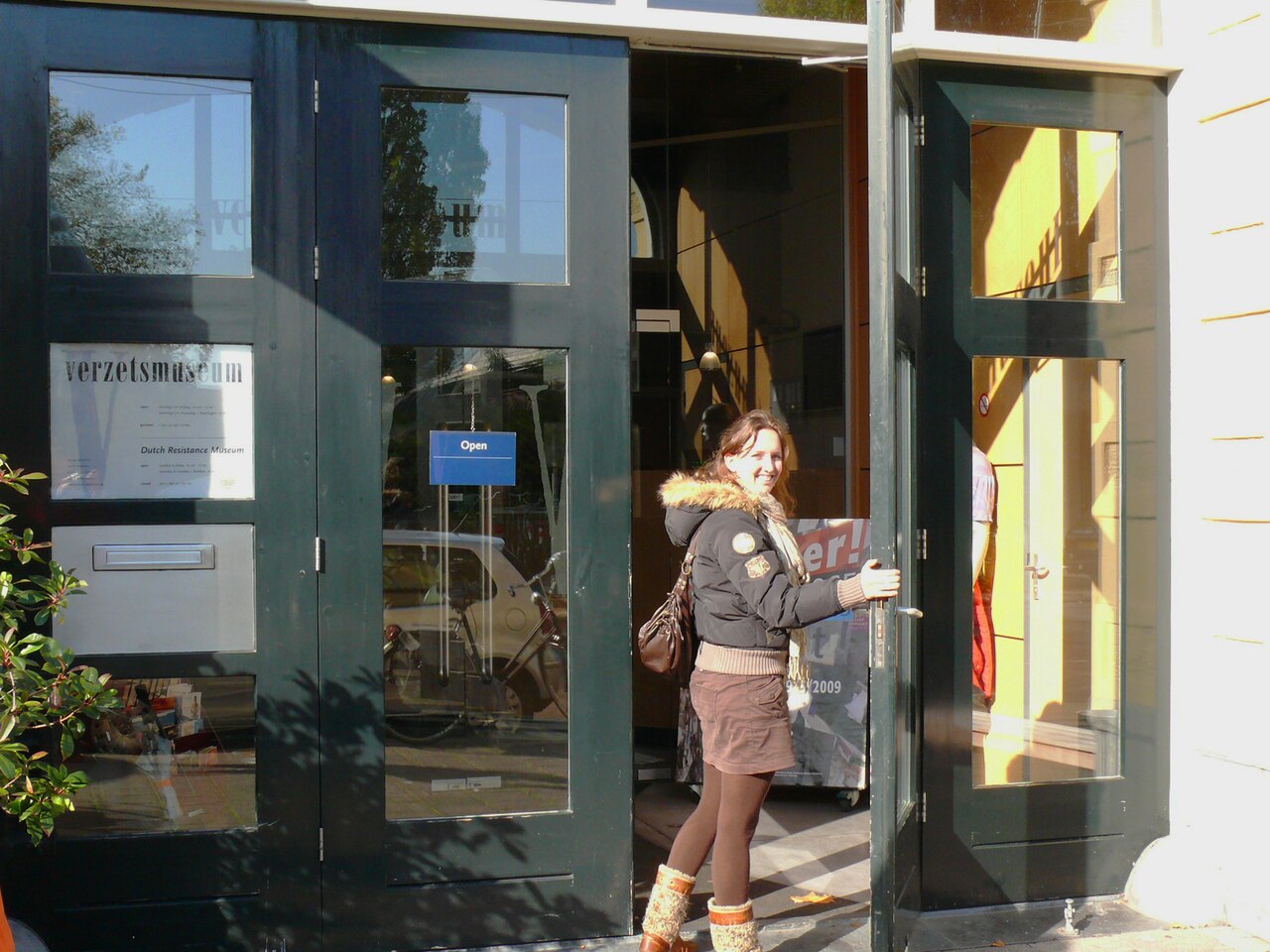
Because opening hours start at 11:00 and finish in the late afternoon, it is best used as a midday stop between a morning at the Hortus Botanicus or the Jewish Cultural Quarter and an afternoon at the zoo or the Resistance Museum.
Around Micropia
You are in the Plantage, a leafy, relaxed district of wide streets that feels very different from the canal ring. ARTIS is next door, the Hortus Botanicus is a few minutes away, the Dutch Resistance Museum and the National Holocaust Museum are within a short walk, and the Waterlooplein market and the Rembrandt House are about ten minutes on foot. If you are travelling with children, a Plantage day built around the zoo, Micropia and a picnic in the Hortus or the Wertheimpark is among the easiest family days in the city.
What to expect
The experience
A compact modern museum of themed rooms where microscopes, projections and interactive displays reveal the microbes in food, bodies and the environment.
Best time
Midday to mid-afternoon between its 11:00 opening and late-afternoon close, and ideally on a weekday when school groups and holiday crowds are lighter.
How long
About an hour to ninety minutes, longer if you combine it with ARTIS on the same ticket.
Tips
Book a timed ticket, consider the combined ticket with ARTIS, and look at the current exhibition list before you go.
Quick picks
- Best for
- Curious visitors, families with older children and teenagers, and anyone who wants a short, offbeat museum after the big art collections.
- Families
- Very good from primary-school age upwards; the hands-on parts keep children engaged, though very small children may find it quiet and dim.
- Couples
- A fun, quirky hour that gives you something to talk about, followed by lunch in the Plantage or a walk through the Hortus.
- Pair with
- ARTIS Royal Zoo next door, the Hortus Botanicus, or the Dutch Resistance Museum a few minutes away.
- Time needed
- One to one and a half hours.
Good questions
What is Micropia?+
A museum of microbes in Amsterdam, next to ARTIS Royal Zoo at Plantage Kerklaan 38-40. It uses microscopes, projections and interactive displays to show the invisible life that surrounds and lives on us.
When is Micropia open?+
The ticket page lists daily opening from 11:00 to 17:00. Hours can change for holidays and special events, so check the date you plan to visit before you book.
Can I combine Micropia with ARTIS zoo?+
Yes. A combined ticket for ARTIS Royal Zoo and Micropia is sold at a lower price than buying both separately, and the two entrances are next to each other.
How long do I need at Micropia?+
Most visitors need about an hour to ninety minutes. It is one of the quickest museums in the city, which makes it easy to combine with another Plantage sight.
Is Micropia suitable for children?+
Yes, particularly for school-age children and teenagers who enjoy hands-on science. The content is informative rather than frightening, and the interactive elements are a big draw.