Annapolis eats from the Bay. The blue crab, the oyster, the rockfish and the farms of the Eastern Shore shaped local cooking for three centuries, and the best meals here taste of the water. This guide explains what to order, where to look and how to eat well at any budget.
Blue crab is the signature
Maryland blue crabs are served steamed with Old Bay seasoning and cracked at paper-covered tables, in crab cakes, in cream of crab and Maryland crab soup, and as soft-shell crabs fried or sauteed in late spring and early summer. A true Maryland crab cake is mostly crab with little filler, broiled or fried. Steamed crabs are a social meal: wear old clothes, expect mess and ask for a mallet. Season and size vary, so ask about availability and origin.
Oysters have a comeback
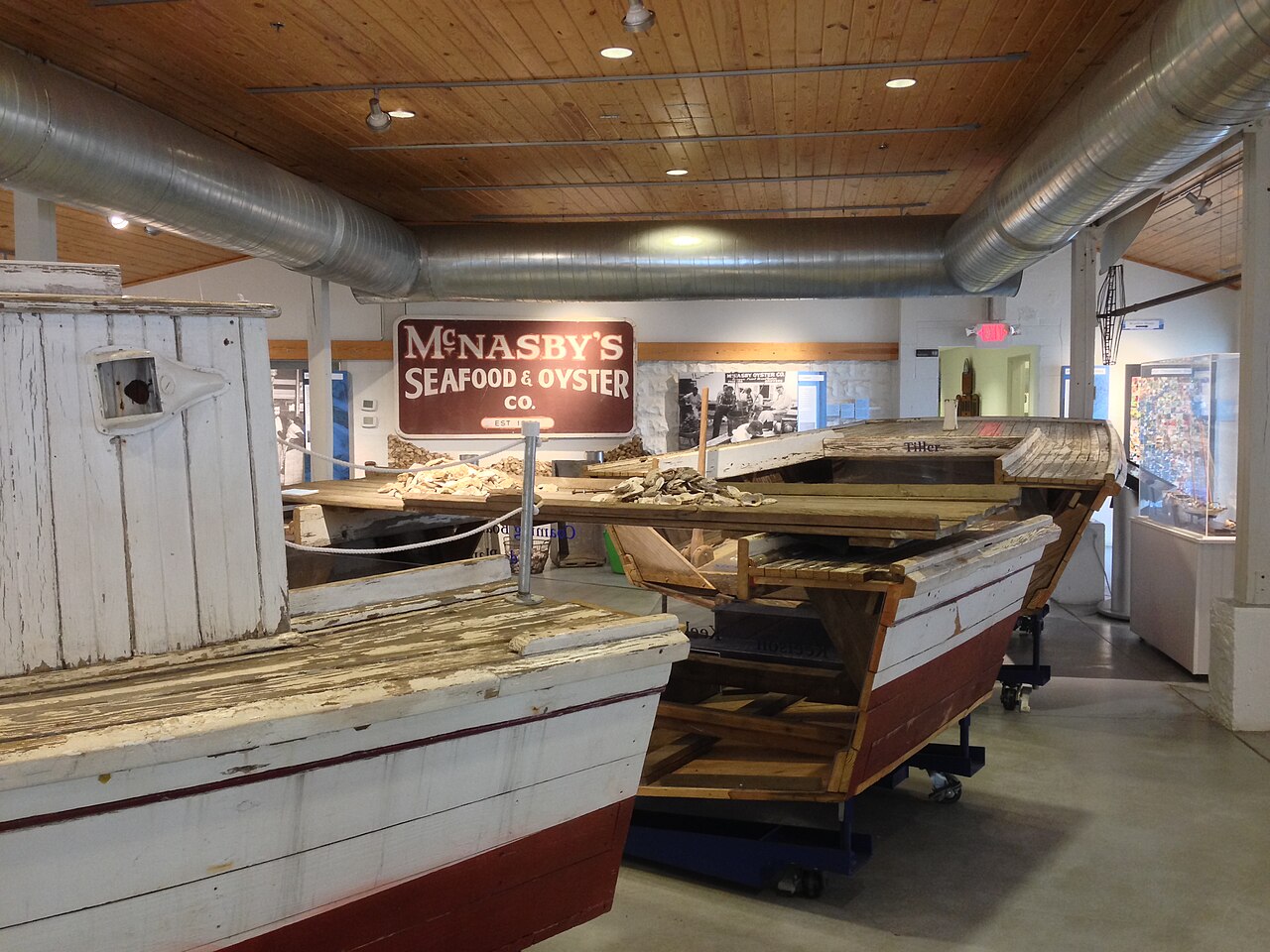
The Chesapeake's oysters were nearly lost to overharvesting and disease, and restoration efforts have revived the industry. Raw bars, grilled oysters and fried oysters are on many menus, and the cooler months are traditionally best. Ask about local varieties, and if you visit the Maritime Museum you will understand why the shellfish matter so much to the Bay.
Casual crab houses and waterfront spots
For a relaxed, hands-on meal, look to crab houses and waterfront restaurants in Eastport and along the creeks, many with outdoor decks. Some are reached by water taxi or a short drive, and a few are seasonal. Expect noise, picnic tables and views of boats. Weekend evenings are busy, so go early or reserve where possible.
Historic taverns
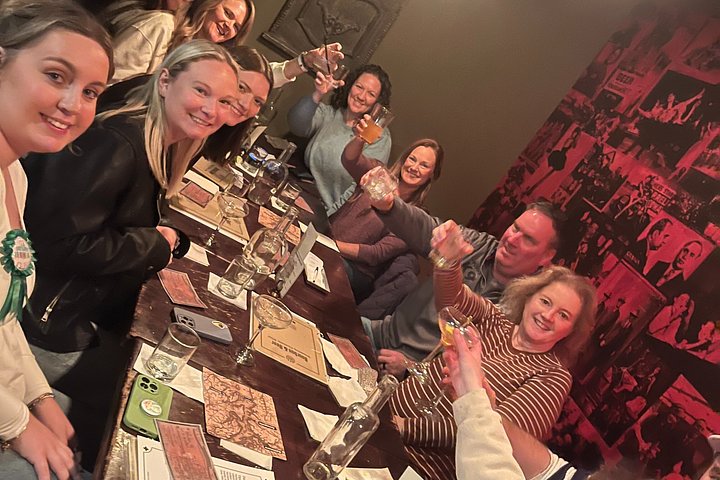
Annapolis has taverns that have served customers for centuries. A drink in an old room with low beams and a fireplace is part of the experience, whether or not you eat there. Several offer live music in the evenings. If you prefer to learn while you sip, a tasting tour or a history-themed drinking tour combines stories with stops.
Breakfast and lunch
Start with coffee and pastries on Main Street, or head to a local diner-style spot for eggs and scrapple, a regional breakfast meat. The deli on Main Street is famed for oversized sandwiches. For lunch, crab cake sandwiches, Maryland crab soup and fried fish are easy and quick. A guided food tour doubles as a meal and helps you find places to return to.
Sweets and drinks
Ice cream is a ritual on summer evenings at City Dock. Look for Berger cookies and Smith Island cake, two Maryland favorites found in bakeries and shops. Local breweries and distillers pour craft beer and rye whiskey, and wine bars have grown in recent years. Maryland has a proud rye tradition, so a cocktail with local rye is a good order.
Tips for visitors
Book dinner on weekends, especially at waterfront restaurants. Ask about dietary needs, particularly shellfish allergies. Tipping customs follow American norms. Prices vary widely, with casual spots affordable and waterfront restaurants more expensive. Eat late-season specials when they appear, and ask your server what is freshest. If you are staying several days, vary your meals: one crab feast, one fine dinner, one tavern evening and a few simple lunches.
Where to go for a taste
Walk Main Street and the streets around City Dock for the widest choice, then cross to Eastport for quieter dining. Check restaurant hours, since some close on certain weekdays or reduce hours in winter. Whatever you choose, take time at the table, order seasonally and enjoy the Chesapeake in your glass and on your plate.
A sample food day
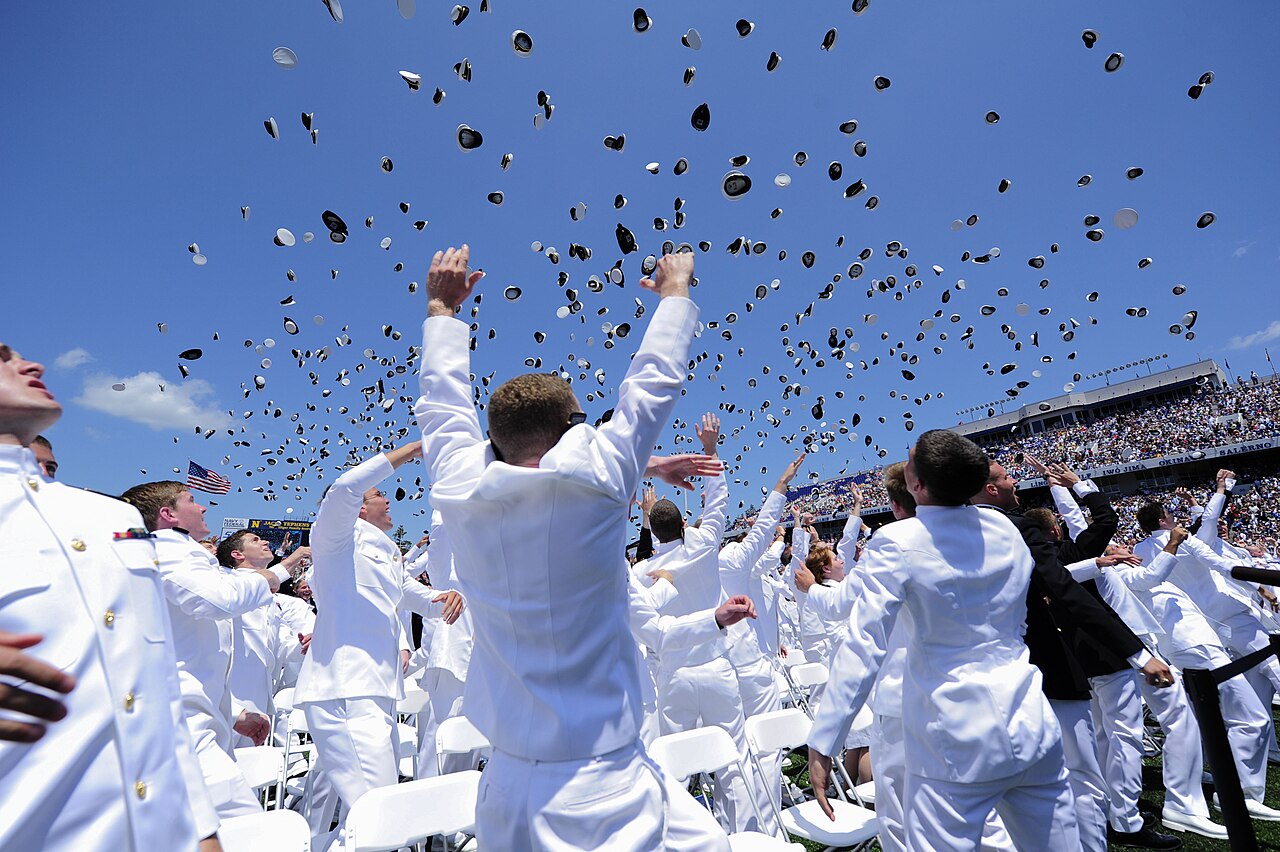
Start with coffee and a pastry on Main Street, then walk the Academy and State House with an appetite. Take a late lunch of crab soup and a crab cake sandwich near City Dock, followed by ice cream on the seawall. In the afternoon, rest or take a harbor cruise. For dinner, choose a restaurant with a view and order seasonal Chesapeake dishes, then end the evening with a nightcap in a historic tavern. This rhythm gives you the full range of the local table without feeling rushed or overfull.
Ordering like a local
At a crab house, ask for crabs by the dozen, sized medium, large or jumbo, and mention if you want them hot or mild. Request extra napkins and a pitcher of beer to share. At a raw bar, ask whether oysters are local and what the salinity is like, since Bay oysters range from mild to briny. At a tavern, try a Maryland-style cocktail or a local rye. Servers are used to questions, and showing curiosity usually earns you a recommendation.