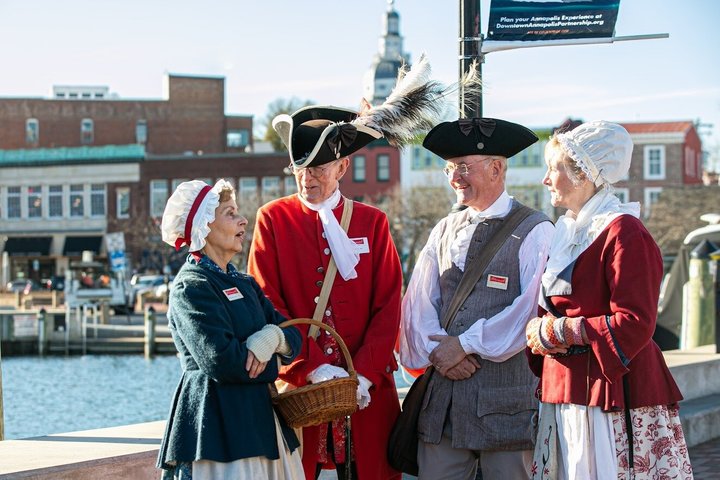
Annapolis is compact, walkable and unusually layered for a town of its size. It is the capital of Maryland, a Chesapeake sailing port, the home of the United States Naval Academy and one of the best-preserved colonial towns in America, all within a square mile or so. That combination is why first-time visitors often leave wanting a second trip, and why a little planning goes a long way.
Start with the geography
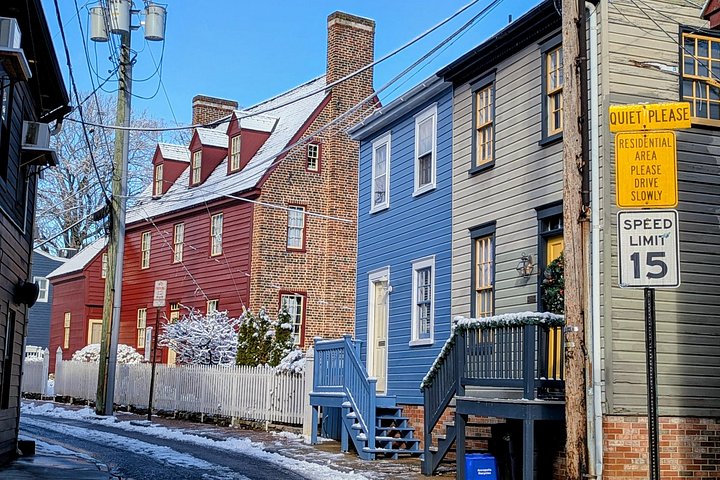
The town's heart is City Dock, a small harbor basin at the foot of Main Street. Main Street climbs uphill to Church Circle, with St. Anne's Church, and a short walk beyond lies State Circle, where the Maryland State House stands. The Naval Academy sits to the east along the Severn River, with its gates a few minutes from City Dock. Across Spa Creek is Eastport, the boating neighborhood. You can cover almost all of the historic center on foot in a day, though hills and brick sidewalks mean comfortable shoes are essential.
The three essentials
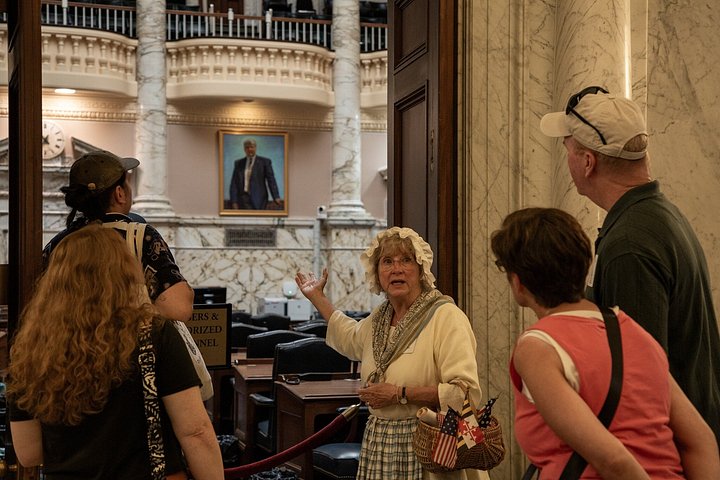
First, the Naval Academy: begin at the visitor center, take a guided walk and see Bancroft Hall, Tecumseh Court and the chapel with the crypt of John Paul Jones. Second, the Maryland State House, the oldest state capitol in continuous legislative use, where George Washington resigned his commission in 1783. Third, City Dock and Ego Alley, where boats parade and the Kunta Kinte-Alex Haley Memorial recalls the harbor's role in the slave trade. These three give you the military, political and maritime strands of the town.
Add a guided walk
A small-group historic walking tour is the single best way to understand the layout and the stories. If time is short, a combined tour that includes the Academy and the State House covers the headlines. For deeper themes, choose an African American heritage walk, a food tour or an evening ghost tour. Book ahead on weekends and event dates, and check start times, because small tours leave on schedule.
Get on the water
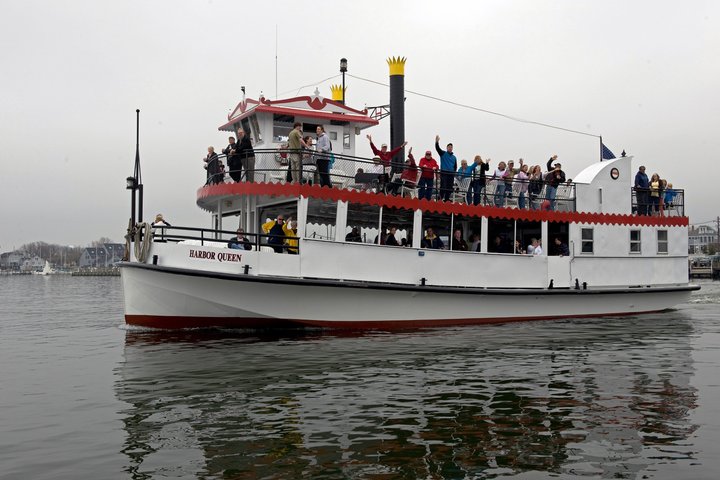
Annapolis calls itself the sailing capital of the United States, and the view from a boat is different from the view on foot. A one-hour harbor cruise suits most first-timers, a sunset cruise is the romantic option, and a longer trip to see Thomas Point Lighthouse or the Bay Bridge adds drama. In summer, boats run frequently and tickets are easy to find; in shoulder seasons, check schedules, as some trips run only on certain days.
Eat like a Marylander
Blue crabs, crab cakes, oysters and rockfish define the local menu. Crab season runs through the warm months, and many restaurants offer steamed crabs with Old Bay seasoning at casual tables. Cream of crab soup, Maryland-style crab cakes and a cold local beer are classic. Reserve for dinner at popular waterfront restaurants on weekends, and look for lunch spots on Main Street and in Eastport.
Plan around events
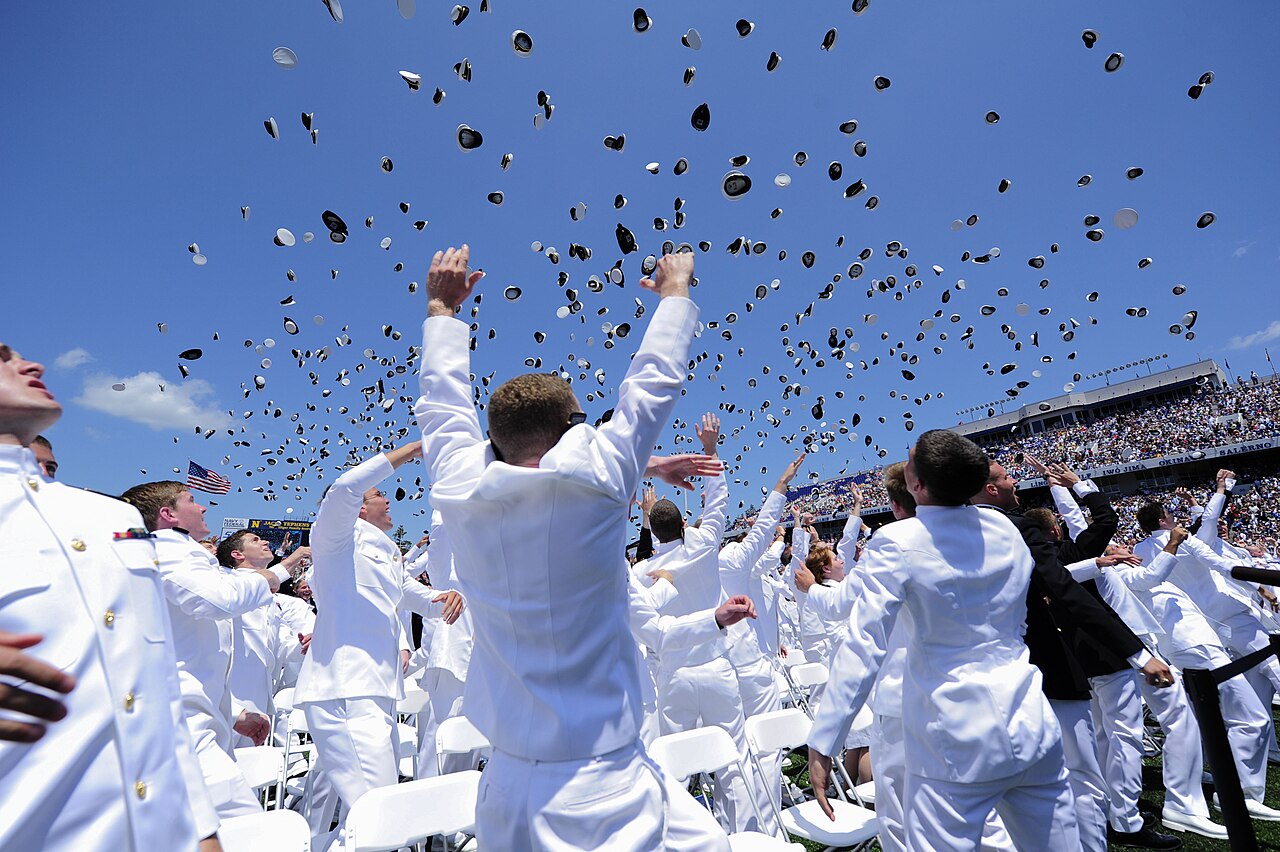
Annapolis has a busy calendar. Graduation week at the Academy in spring fills every hotel. The sailboat and powerboat shows, usually held in autumn, draw big crowds and raise prices. The legislative session from winter into spring brings lawmakers and extra traffic to State Circle. If you can choose your dates, late spring, early autumn and midweek stays give the best balance of weather, availability and calm streets.
Getting around
Park once and walk. Garages on the edge of the historic district are easier than hunting for street spaces. If you are staying outside the center, consider a ride service or shuttle for evenings. From Baltimore or Washington the drive takes roughly an hour in normal traffic, and Baltimore/Washington International Airport is the nearest major airport. In summer, water taxis can ferry you between City Dock and Eastport, and the walk over the Spa Creek bridge is pleasant.
What to skip
You do not need a car in town, you do not need to see every museum and you do not need to rush. A first visit that includes the Academy, the State House, a harbor cruise, one guided walk and two or three good meals is a full and satisfying trip. Everything else is a bonus. Stay one night if you can, because the town after the day-trippers leave is quiet and beautiful, with lamplight on the brick and masts silhouetted against the sky.
A word on etiquette and access
The Naval Academy is an active military installation, so expect security checks and observe posted rules. Be respectful in the chapel and crypt, in the State House and around memorials such as the Kunta Kinte-Alex Haley Memorial. Parking enforcement is strict, and downtown residents appreciate visitors who stay quiet late at night. Tip your guides and servers, who often depend on seasonal income, and remember to carry a little cash for small purchases and tips.