Antigua's churches and convents were built over vaulted cellars, burial chambers and passages, and some of them survived the earthquakes that brought the roofs down. The Crypts and Catacombs tour linked here is a guided walk of about three hours that takes you to selected underground spaces and the stories attached to them, from burial customs and religious orders to the legends that every colonial town collects. Guides combine history with local tales, so you learn why the dead were buried inside churches, how the earthquakes of 1773 changed the city and why some tunnels were sealed or forgotten. It is a good wet-weather plan, a good evening plan for people who enjoy atmosphere and a good choice for history lovers who have already walked the main ruins. Groups are small, the tone is more curious than frightening and the pace allows time for questions. The exact sites vary with access and the operator, so check the itinerary when you book.
What the tour covers
Expect a mix of above-ground and below-ground stops, with the underground spaces forming the main interest. Typical visits might include crypts beneath religious buildings, vaulted chambers and the stories of the people associated with them, though access changes, and sites can close for maintenance, services or events.
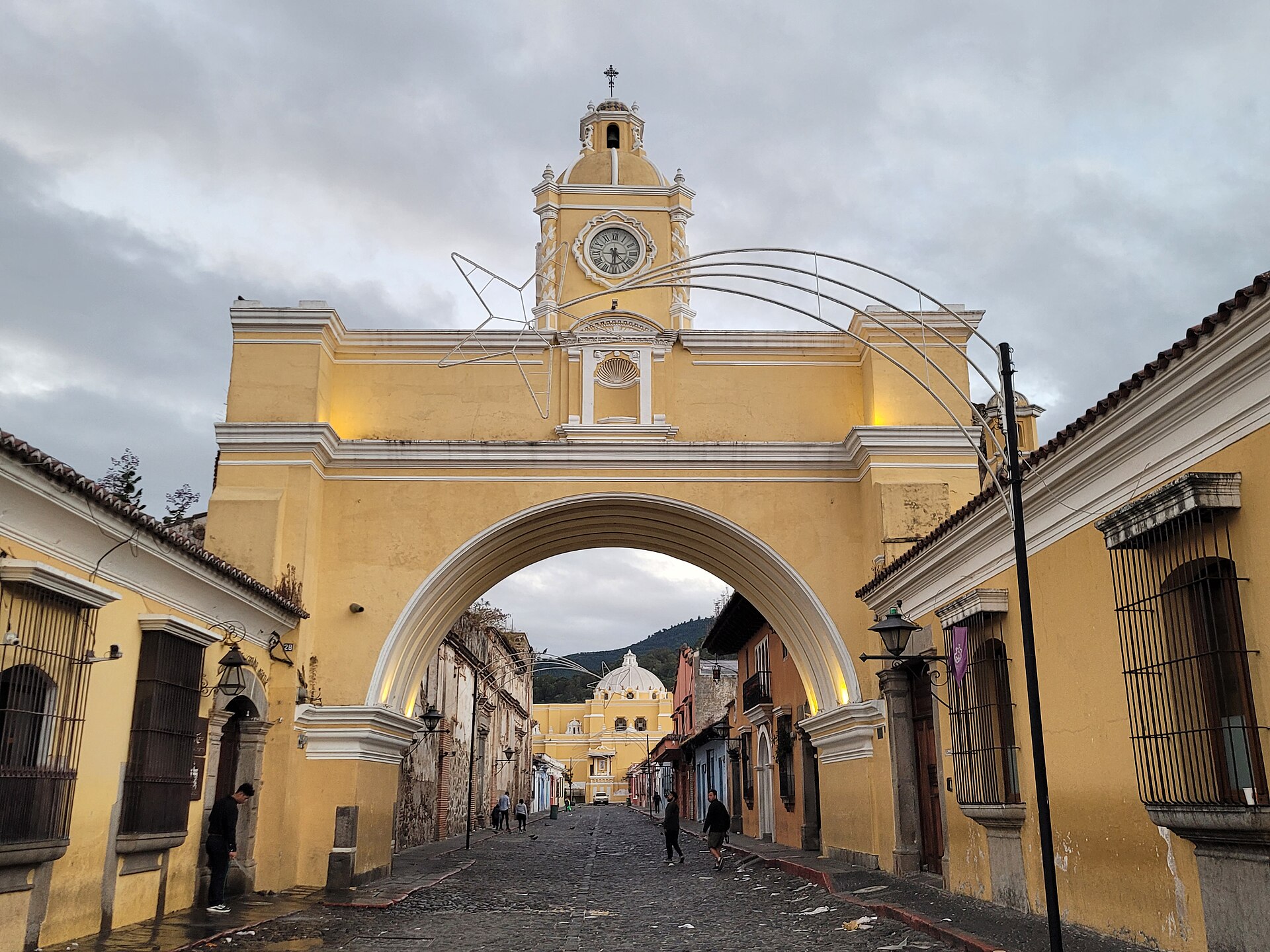
The guide explains how burial worked in the colonial period, what the religious orders did and how the 1773 earthquakes reshaped the city. You will also learn why Antigua's streets, walls and arches look the way they do, which makes the walk a useful companion to the main walking tour.
Who it suits
History and architecture lovers, curious teenagers and anyone who enjoys atmospheric places. It is not suited to people who are claustrophobic or have serious mobility problems, since some passages are narrow, low and uneven, with steps and damp floors. Children can enjoy it if they are not easily frightened, but the content includes burial and death, so use judgment.
Dress for cool, damp underground air, with closed shoes with grip, and bring a small torch if the operator suggests it. Photography rules vary by site, so ask your guide before you take pictures.
Making it work
Schedule the tour on a day when you want a gentler pace, perhaps after a volcano hike. It pairs well with the cathedral ruins and the Casa Santo Domingo museums, which show similar themes above ground. Since the tour runs for about three hours, eat beforehand and carry water.
Because sites may change, read the itinerary and recent comments, and contact the operator if a particular crypt matters to you. Hold on to a little flexibility, as the underground spaces are the sort of attraction that sometimes closes at short notice. If it does, the operator should offer an alternative or a refund under its policy.
One more suggestion is to ask your guide about the stories behind specific sites, because the best guides bring out personal details, local beliefs and anecdotes that you will not find on signs. Bring a small bottle of water, and consider leaving large bags at your hotel, since narrow passages are easier to navigate with your hands free. If you are sensitive to dust or damp air, take care with allergies and asthma.
What to expect
The experience
A guided walking tour of about three hours that includes underground crypts and chambers beneath colonial buildings, with history and local legends from the guide.
Best time
Any time of day works, and it is a good wet-weather option; evenings add atmosphere.
How long
About three hours.
Tips
Wear closed shoes with grip, bring a light layer for the cool air and check the itinerary for the sites included.
Quick picks
- Best for
- History lovers and curious travellers who want a different angle on the old town.
- Families
- Better for older children and teenagers who are comfortable in dark, narrow spaces.
- Couples
- An atmospheric, story-rich outing for people who like the unusual.
- Pair with
- The cathedral ruins, Casa Santo Domingo and the Capuchinas convent.
- Time needed
- Three hours.
Good questions
Are the crypts scary?+
The tone is more historical than frightening, but some spaces are dark and narrow.
Is it suitable for people with mobility issues?+
Probably not. Passages can be low and uneven, with steps. Ask the operator before you book.
Which sites are included?+
Sites vary with access and the operator. Check the itinerary when you book.
Can I take photographs?+
Rules differ by site. Ask your guide before you take pictures.
Is it suitable for children?+
Often for older children, but the subject is burial and death, so use judgment.