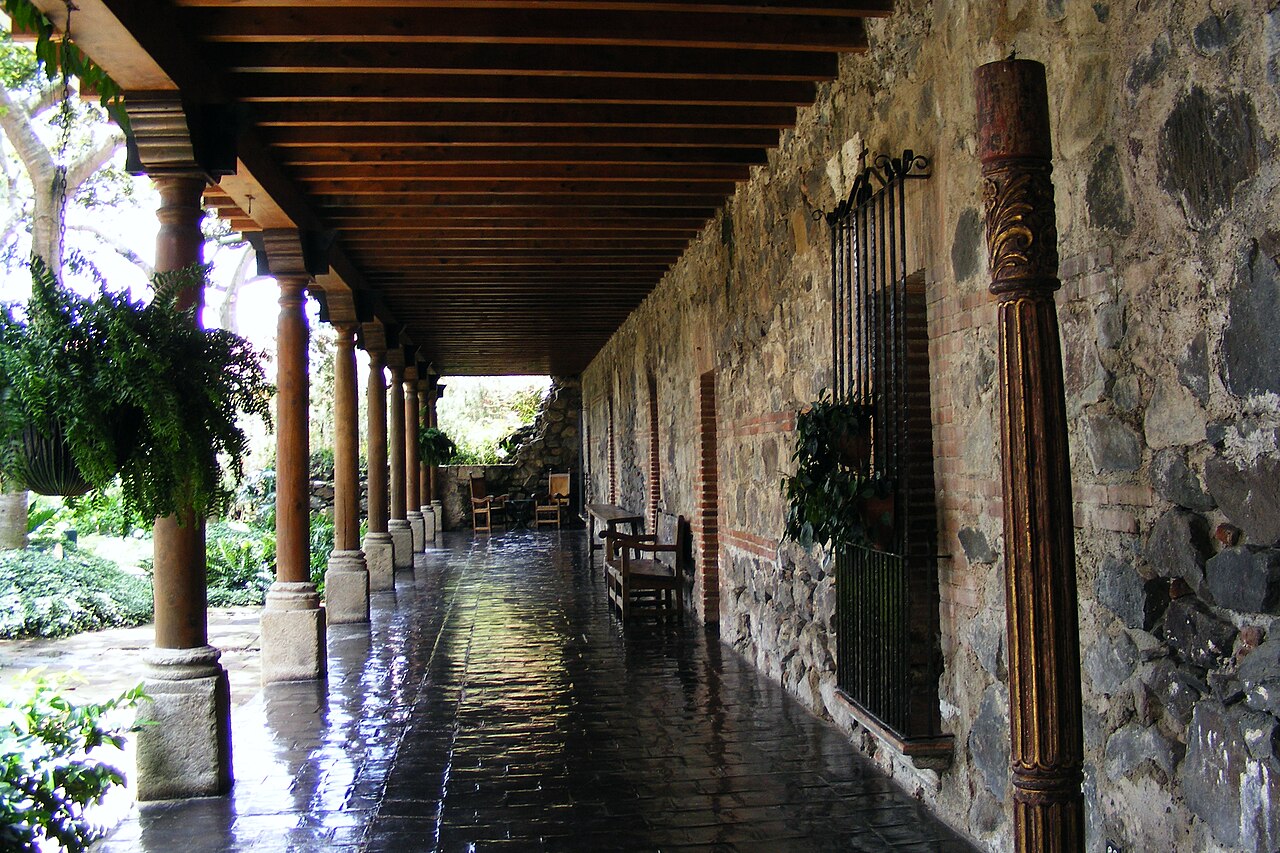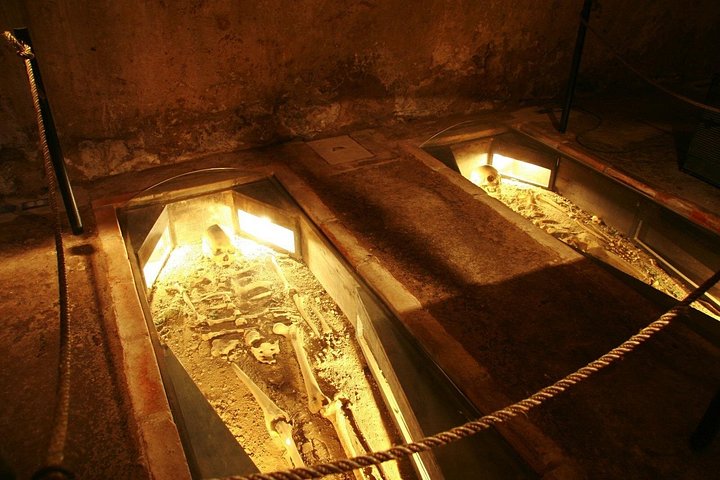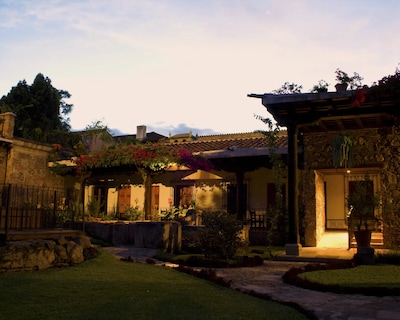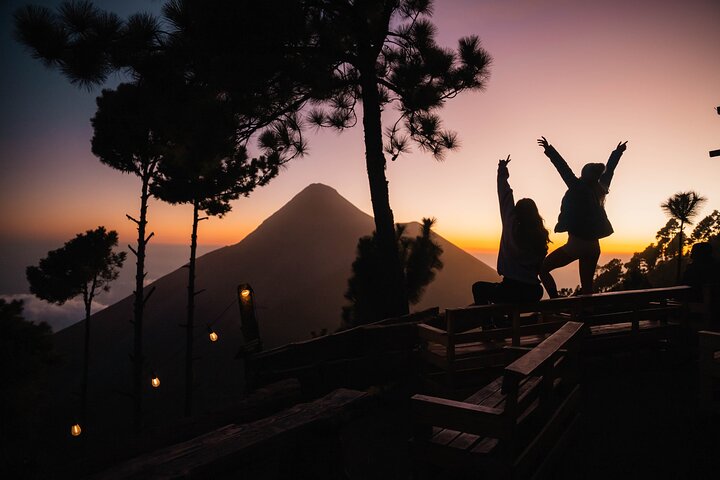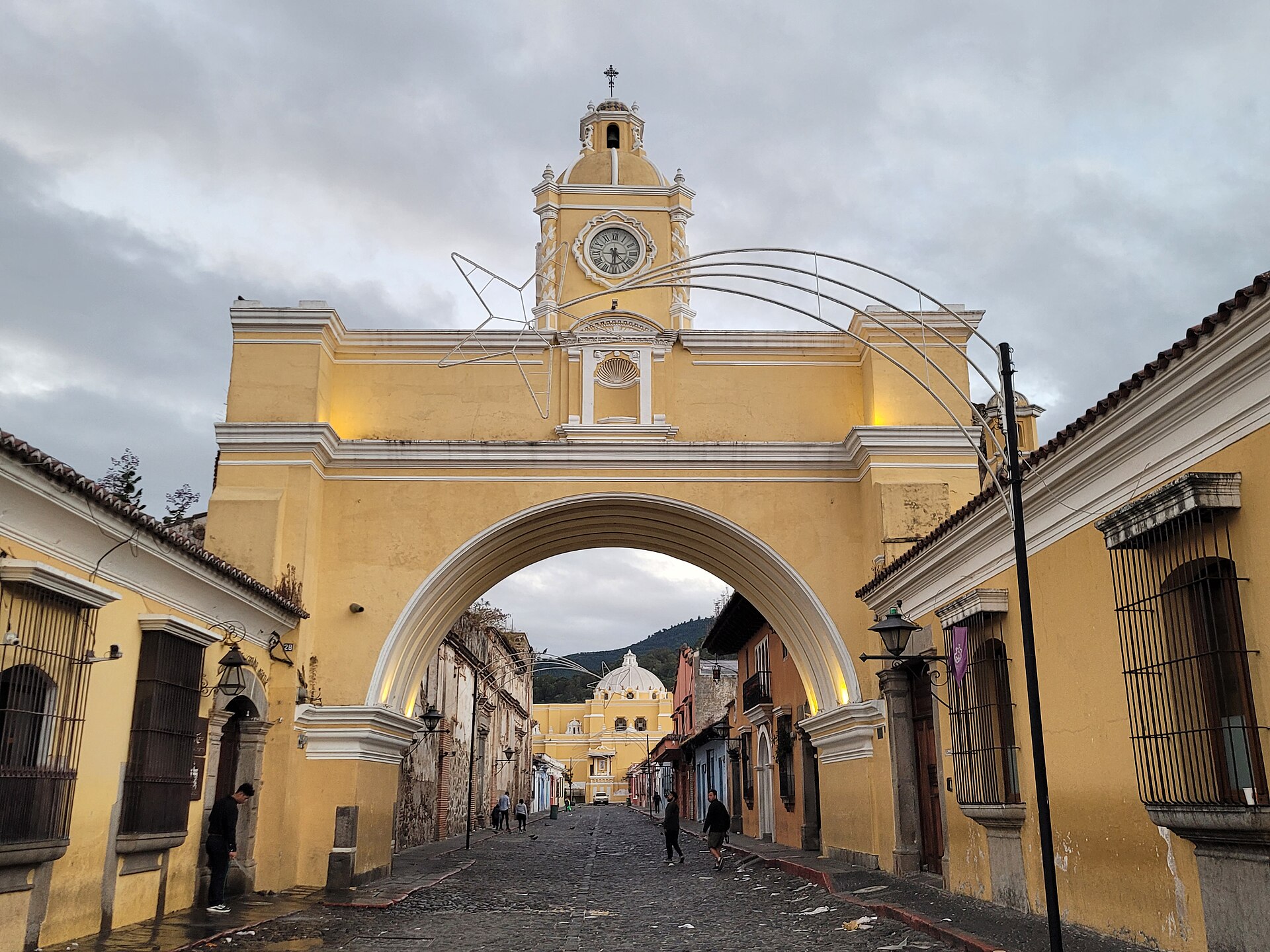
Colonial Antigua was a city of churches. The Catholic orders that settled here, including Franciscans, Dominicans, Mercedarians and Capuchins, built large convents and monasteries that dominated the skyline and shaped daily life. The 1773 earthquakes damaged or destroyed many of them, and some are still in ruins while others have been restored. This tour is built around those buildings: it walks you through the cloisters, courtyards, churches and ruined chambers, explains the role of each order and tells the stories that have grown up around them. It is a good way to deepen your understanding of Antigua beyond the obvious photo stops, and it suits visitors who have already walked the town once and want to understand what they were looking at.
What you learn
The guide explains how convents were organised, why they were so large, what daily life was like for monks and nuns, and how the religious orders influenced art, education and healthcare. You also hear about the earthquakes and the decision to move the capital, and about the legends and local stories attached to these buildings. The tour name suggests mysteries, so expect tales of hidden passages, ghosts and strange events, mixed with documented history. Treat the folklore as part of the colour rather than established fact.
What you see
The exact buildings depend on the operator and on what is open on the day, but a tour of this kind commonly includes churches and ruined complexes around the old town, with time for a closer look at details such as arches, fountains and carved facades. Some sites charge a separate entrance fee, and a few are closed on certain days, so check what is included when you book.
The walking is on cobbles with a few steps, and the tour is conducted at a gentle pace. Respectful dress is wise when entering churches, with shoulders and knees covered.
Making the most of it
Combine the tour with visits on your own to the Capuchinas convent, the Casa Santo Domingo museums and the cathedral ruins, which all feature in this history. Morning is best for light and fewer crowds, and the rainy season often brings afternoon showers. Bring water, a hat, comfortable shoes and a small amount of cash for entrance fees and donations.
A notebook is handy if you like to jot down names and dates. Because some sites are active places of worship, observe quiet and follow local rules about photography. If you are short on time, choose between this and the general walking tour: the walking tour covers more ground, while this one goes deeper into a single theme. Opening hours and access can change, so confirm them before you go.
Context for the stones
The orders did far more than pray. They ran schools and hospitals, taught crafts and kept records, and their buildings held libraries, gardens and workshops. When the 1773 earthquakes struck, the decision to move the capital to what is now Guatemala City left many of these complexes empty, and over time nature and neighbours reclaimed parts of them.
Understanding that background changes how you see the ruins, from mere picturesque piles of stone to the remains of a once busy community. Ask your guide which buildings were restored and which were left as found.
What to expect
The experience
A guided walking tour of Antigua's convents, monasteries and church ruins, with the history and legends of the religious orders.
Best time
Morning for light and fewer crowds.
How long
About two to three hours.
Tips
Cover shoulders and knees for churches, wear comfortable shoes and carry cash for entrance fees.
Quick picks
- Best for
- History lovers who want depth on a single theme.
- Families
- Better for older children who enjoy stories and can walk on cobbles.
- Couples
- A thoughtful, atmospheric tour with plenty of photo opportunities.
- Pair with
- The Capuchinas convent, the Casa Santo Domingo museums or the cathedral ruins on your own.
- Time needed
- Two to three hours.
Good questions
Which orders built Antigua's convents?+
Franciscans, Dominicans, Mercedarians, Capuchins and others, whose buildings shaped colonial Antigua.
Are entrance fees included?+
Some sites charge separately. Check what is included when you book and carry some cash.
Is the folklore true?+
Treat the legends as part of the atmosphere. The guide mixes documented history with local stories.
How does this differ from the general walking tour?+
The walking tour covers more of the city, while this one focuses on religious buildings and their stories.
What should I wear?+
Comfortable shoes and clothing that covers shoulders and knees for churches.