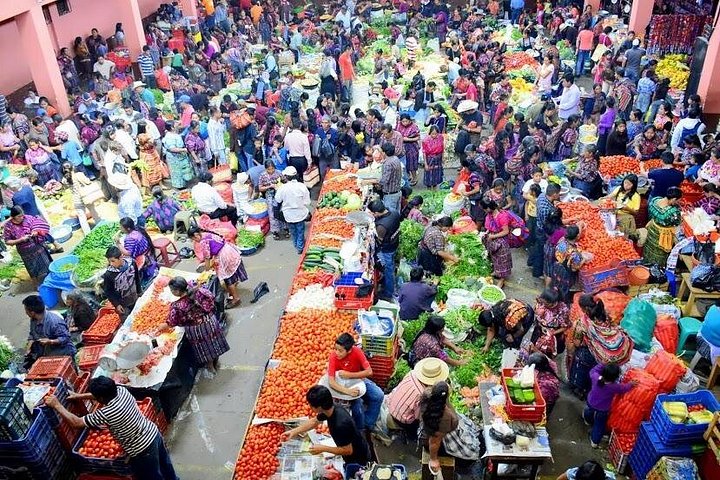
A cooking class is one of the best ways to understand Guatemalan food, which is quieter and more layered than its neighbours' cuisines. The highly rated class linked here takes small groups into the kitchen of a local cook to prepare a full meal from scratch, typically including a traditional recipe such as pepián, a roasted-seed and chile stew often described as the national dish, alongside tortillas, salsas and a drink or dessert. Classes of this kind commonly begin with a walk through Antigua's market to meet the produce, chiles, herbs and masa, then move to the kitchen, where you chop, grind, simmer and eat what you have made. You finish seated at a table, which turns the class into lunch or dinner as well as an activity. It suits couples, friends, families with older children and solo travellers who want to meet people, and it needs only curiosity and an appetite. Vegetarian adjustments are often possible if you ask when you book.
Why it works
Guatemalan cooking depends on techniques that are hard to learn from a menu, such as toasting seeds and chiles for a recado, shaping tortillas by hand and balancing a mild, earthy stew with fresh salsa. A guided class slows all of that down, explains the Maya and Spanish influences and gives you recipes you can repeat at home.
Reviewers consistently praise the hosts' warmth and the quality of the food, and many say it became the highlight of their stay. Expect to taste a lot, so arrive hungry and skip a large breakfast or lunch beforehand.
The format
Sessions usually last three to four hours, including the market visit if your chosen class offers it, and groups are kept small so that everyone gets time at the stove. You are given an apron, ingredients and tools, and the instructor leads each step. The pace is relaxed rather than competitive, and no experience is needed.
Because the market stage involves walking on uneven streets and standing for stretches, wear comfortable closed shoes. If you have dietary requirements, tell the operator in advance so that the menu can be adjusted, and ask about alcohol and drinks, which vary between classes.
Making the most of it
Choose a class slot that fits your plans, since a long lunch session is a natural break after a morning walking tour or a coffee farm visit. Evening sessions work well after a day of volcano hiking, when you want something warm, seated and sociable. The class pairs neatly with the street food evening tour if you want a food-focused stretch of your trip, but avoid doing both on the same day.
Book ahead in the busy months around Holy Week and the Christmas holidays. Bring a notebook or a phone to record recipes, and ask where to buy the key ingredients, such as dried chiles, pepitoria and the right masa, so that you can recreate the meal when you return.
One last tip
Ask whether the class includes printed or emailed recipes, because the techniques are easy to forget once you are home. Pack a small container if you want to take leftovers, and consider booking the class early in your stay so that you can recognise the dishes on menus afterward. It is also a lovely way to learn a few useful Spanish food words before you eat your way through the rest of Guatemala.
What to expect
The experience
A small-group, hands-on class where you prepare a Guatemalan meal from scratch, often with a market visit first, and then sit down to eat it.
Best time
Lunch and evening sessions both work; choose lunch for a relaxed midday break or evening after a hard hiking day.
How long
Roughly three to four hours.
Tips
Arrive hungry, wear closed shoes for the market walk and tell the operator about dietary needs when you book.
Quick picks
- Best for
- Food lovers and anyone who wants a deeper look at everyday Guatemalan culture.
- Families
- Good for children old enough to stand at a counter and handle simple tasks; check the age policy.
- Couples
- A shared meal you cooked yourselves is a memorable evening.
- Pair with
- The chocolate workshop, the street food tour and the coffee farm visit.
- Time needed
- Half a day.
Good questions
Do I need cooking experience?+
No. The class is designed for beginners, and the instructor guides each step.
What will I cook?+
Menus vary, but classes of this kind commonly feature pepián, tortillas, salsas and a dessert or drink. Check the current menu when you book.
Does the class include a market visit?+
Many classes begin with a market walk. Check whether your chosen session does.
Can vegetarians join?+
Often yes, with notice. Mention dietary needs when you book so the menu can be adjusted.
How long does it last?+
About three to four hours, ending with a meal of what you made.