The Maasai are semi-nomadic pastoralists whose communities live across northern Tanzania and southern Kenya, and many families around Arusha, Monduli and the parks welcome visitors to their villages, known as bomas. A typical visit lasts a few hours. You are greeted with singing and the famous jumping dance, shown how houses are built and how livestock are kept, and offered a chance to buy beadwork directly from the women who make it. The Tanzania Tourist Board's cultural tourism page describes the principle behind visits like this: that cultural tourism should benefit visitors and local people alike. It is worth choosing carefully. The best visits are small, unhurried and organised with the community, not squeezed into a ten-minute stop between game drives. Ask questions, respect photography requests and expect to pay a fee that supports the village.
Choosing a good visit
Ask your operator how the fee is shared and whether the village has agreed to host visitors. Smaller groups give you time to talk with people rather than watch a performance. Visits that include a meal, a walk with herders or a conversation with an elder tend to be more rewarding than quick demonstrations. Be wary of any visit that feels rushed or that pressures you to buy.
What to expect
You will probably meet the village chief or a spokesperson, hear about Maasai customs and see the circular enclosure of thorn branches that protects the livestock at night. Houses are low and dark inside, so be ready to duck. Buying a bracelet or necklace from the women's market is the most direct way to put money into the community, and prices are usually negotiable but the work is fine. Ask before you take photographs of people and children, and respect a no.
Practical points
The visit works well as a half-day add-on to a park day or as a stand-alone outing from Arusha. Wear closed shoes because of the livestock and the dust, and carry small notes for purchases and tips. Keep in mind that many Maasai live a modern life too, with mobile phones and school fees, so the best conversations are the honest ones. Because there is no single standard product for this visit, this guide points to the tourism board's cultural page for background and leaves the choice of host to you.
What to expect
The experience
A guided visit to a Maasai boma near Arusha, with a greeting song and dance, a tour of the homestead and a chance to buy beadwork.
Best time
Morning or late afternoon, when herds are moving and the light is soft; any season works.
How long
Three to four hours, including the drive from Arusha.
Tips
Ask how the fee is shared, wear closed shoes, ask before photographing people and carry small notes for beadwork.
Quick picks
- Best for
- Visitors who want a respectful cultural stop alongside their wildlife days.
- Families
- Children usually enjoy the dancing and the animals, but explain the customs first.
- Couples
- Quiet conversation and shared photographs, if people agree.
- Pair with
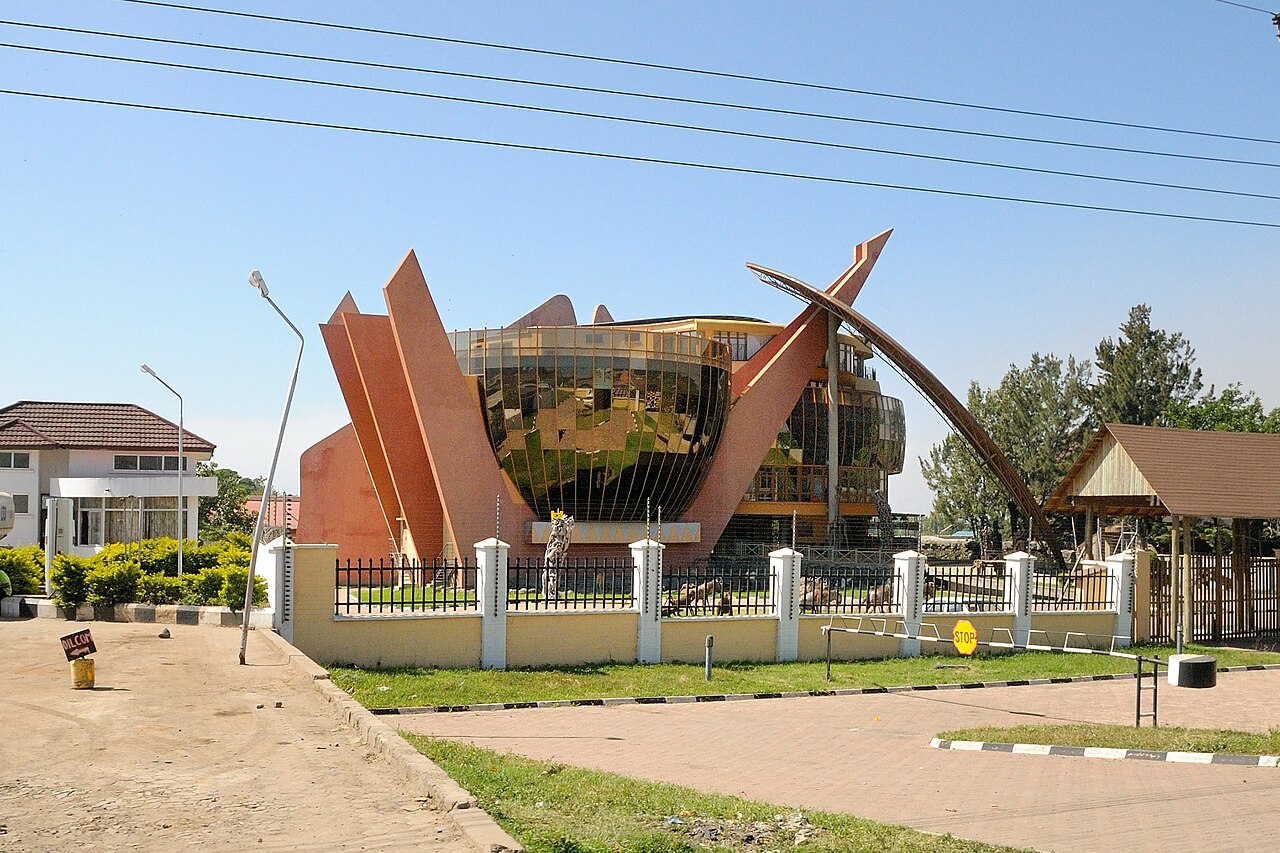
- Tarangire or Lake Manyara, or a day at Arusha Cultural Heritage Centre.
- Time needed
- Half a day.
Good questions
Is a Maasai village visit authentic?+
It depends on the host. Small, community-organised visits feel more genuine than quick staged stops, so ask your operator how it works.
Do I need to pay a fee?+
Yes, a fee usually applies and should support the village. Ask how it is shared before you go.
Can I take photographs?+
Ask permission before photographing people, especially children, and accept a refusal. Photographing houses and animals is usually fine.
Where do the visits happen?+
Villages around Arusha, Monduli and the safari routes host visitors. Your operator will choose a village and arrange transport.
What should I buy?+
Beadwork bought directly from the women who make it is the most direct way to help. Prices are negotiable but the craft is skilled.