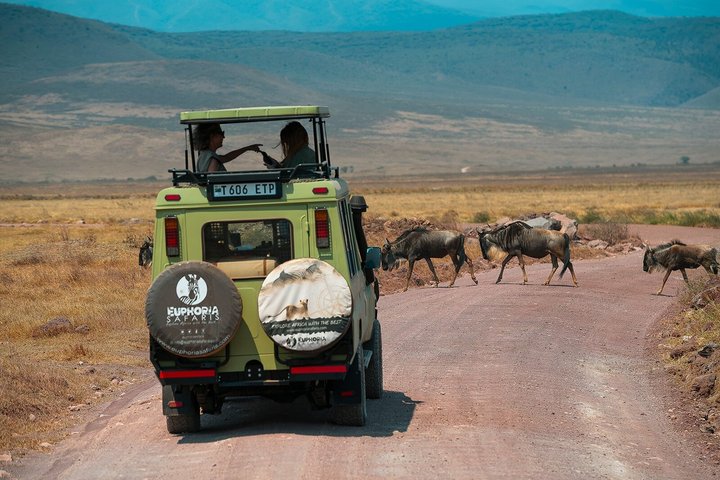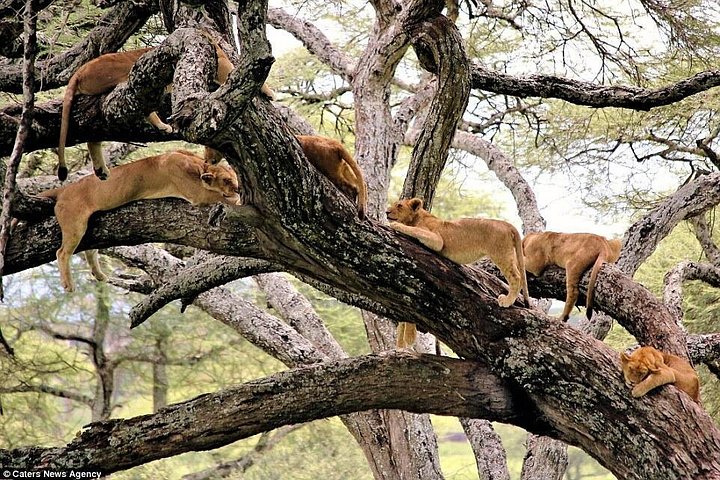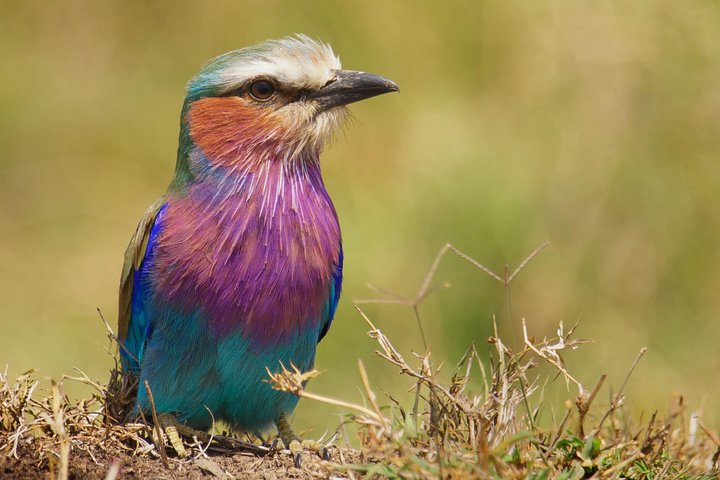
Arusha is the gateway to the northern safari circuit, the string of parks and highlands across northern Tanzania that includes Tarangire, Lake Manyara, Ngorongoro and, further west, the Serengeti. It is also the starting point for Mount Kilimanjaro, which rises above Moshi to the east. Most visitors arrive by air at Kilimanjaro International Airport, between Arusha and Moshi, then transfer by road. This guide is about the single-day experiences you can do from Arusha or Moshi, which is a smaller and simpler trip than the classic multi-night safari.
What this guide covers, and what it does not
Multi-day safaris and Kilimanjaro climbs are the classic Tanzanian trip, and they are the reason many people come. They are also out of scope here. We cover only things you can do in a single day and return from: Tarangire, Ngorongoro Crater, Lake Manyara, Arusha National Park, the Materuni waterfalls and coffee tour, Chemka hot springs, a Maasai village visit, the Arusha Cultural Heritage Centre and the Marangu Gate day hike to Mandara Hut. Zanzibar and multi-day Serengeti trips have no place in this plan.
How many days
Four to six days works well. Spend a day settling in Arusha, add two or three park days, one day for a Kilimanjaro-side outing and a rest day. A good order is Arusha National Park or Lake Manyara first, because they are the easiest, then Tarangire, then the crater, which is the longest day. Keep a day for Materuni or Chemka after your safari days, when you want to move less.
What to book ahead
Book your park days with a reputable operator a few weeks ahead in the dry season, roughly June to October, and in the Christmas and New Year period. The crater and Tarangire fill first. Park fees are charged per day and change, so ask every operator whether the price includes park fees and get the answer in writing. For the Kilimanjaro day hike, a licensed guide is required, so use an operator who arranges the gate formalities.
Getting around
Your safari operator handles transport on park days, with a 4x4 and a driver-guide who collects you from your hotel. Within Arusha, taxis and rideshare apps are common and inexpensive. Between Arusha and Moshi, a private driver is simplest. Do not plan to self-drive in the parks on a first trip. Roads outside towns can be rough, and a day with a guide is far more rewarding than a day spent navigating.
Where each day fits
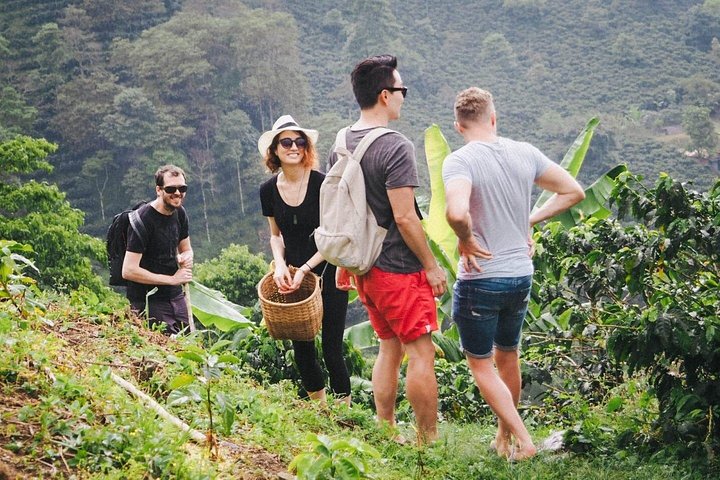
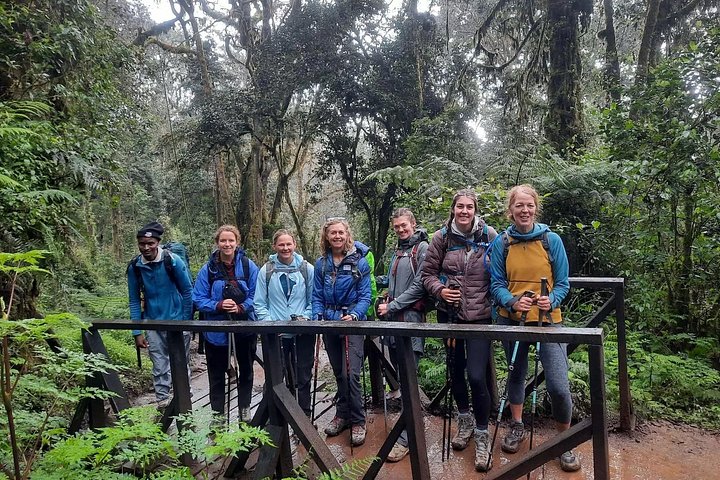
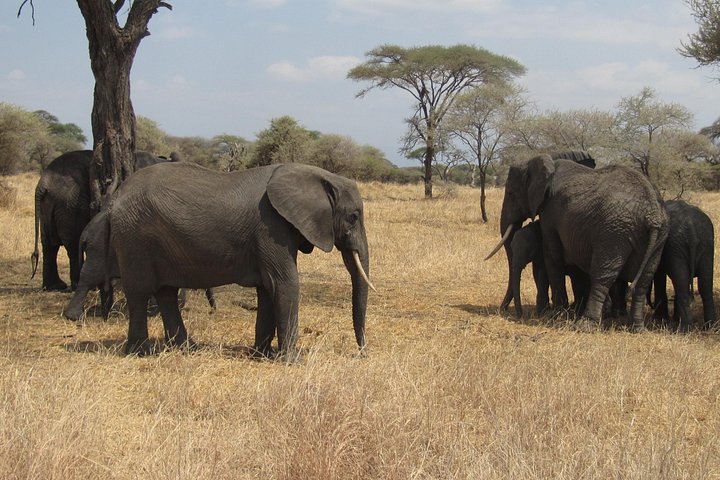
Tarangire is for elephants and baobabs, and is best in the dry season. Ngorongoro is the most dramatic, and the one to do if you do only one, ideally with a night near Karatu to avoid a dawn drive. Lake Manyara is close and varied, with forest and lake. Arusha National Park is the nearest and gentlest, with giraffe and colobus monkeys and optional walking and canoeing. On the Moshi side, Materuni gives you a waterfall walk and coffee, Chemka gives you a swim, and the Mandara hike gives you a taste of the mountain.
Culture and shopping
Pair your park days with a Maasai village visit or an hour at the Arusha Cultural Heritage Centre. Choose a host that shares its fee with the community, ask before photographing people and buy craft directly from makers where you can.
Where to stay
Base yourself in Arusha for park days, Moshi for the mountain-side trips and Karatu for the crater. The guide to where to stay sets out the five places we recommend. If you are short on time, one base in Arusha and a night in Karatu is enough.
Practical notes
Bring neutral clothes, a hat, sunscreen, a light waterproof and a warm layer for the crater rim. Carry some cash for tips and crafts, and keep passports safe. Check current entry rules, health advice and any vaccine requirements with your own government's travel advice before you go. Tip your guide and driver at the end of each day.