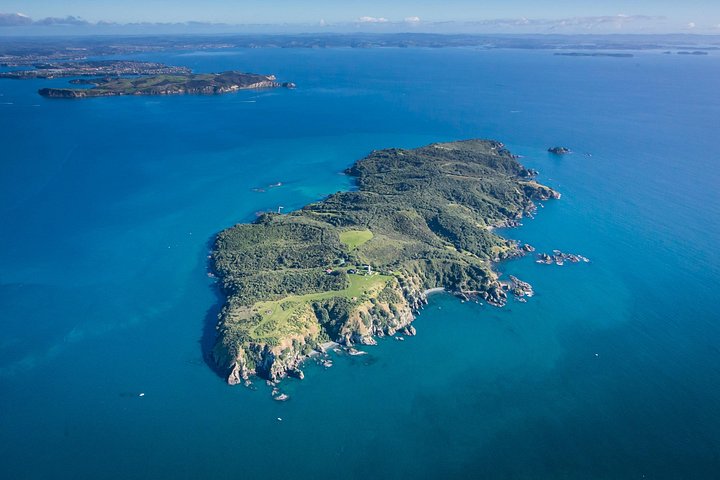
Tiritiri Matangi is the best place near Auckland to meet New Zealand’s native birds at close range. The island is an open sanctuary, which means visitors are welcome, but it has been cleared of introduced predators and replanted over decades by volunteers, so that endangered species that have almost vanished from the mainland now live and breed here in the open. Among them are the takahē, the large flightless blue-green bird once thought extinct, the stitchbird or hihi, and the tuatara, the ancient reptile that survives only in New Zealand. The island has several walking tracks of varying length, a lighthouse that dates from the nineteenth century, beaches and a visitor centre, and a day trip normally allows about five hours ashore after a ferry crossing of roughly an hour and a quarter across the Hauraki Gulf. The sanctuary is run with the help of volunteer guides, and an optional guided walk, offered with some tour options, is the best way to learn to recognise birdsong and understand the restoration story. Check whether your booking includes the guided walk or only the crossing and island time.
What to expect
You arrive at the wharf, receive a ranger orientation that explains the biosecurity and visitor rules, and then you are free to walk the tracks at your own pace. The paths are well formed but can be steep in places, and there are no shops or cafés on the island, so bring your own lunch, snacks and water. Tea and coffee are normally available at the visitor centre.
Biosecurity matters
Because the sanctuary depends on being predator-free, you should check your bags and shoes for seeds, insects and food before you leave the mainland, and follow the instructions on arrival. Pets are not allowed. The wildlife is wild and the birds move freely, so patience and quiet are rewarded, and the early part of the day is generally the most active for birdsong.
Planning the day
Wear sturdy shoes, take a rain jacket and sun protection, and carry a camera with a zoom lens if you are interested in birds. The ferry timetable fixes the length of your stay, so confirm the return time before you plan the rest of the day.
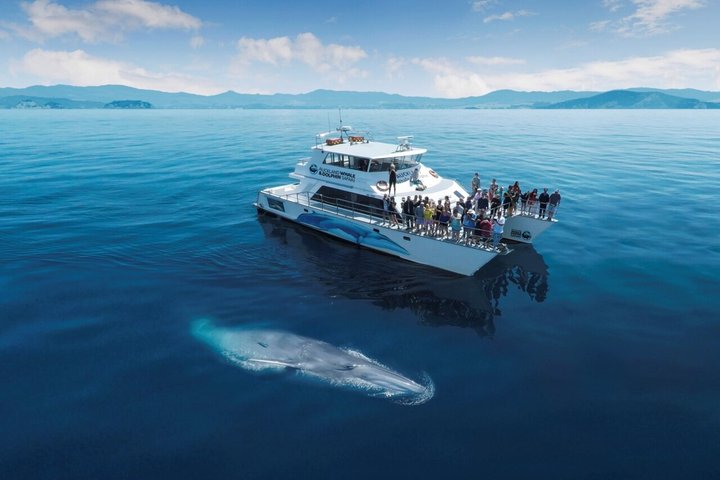
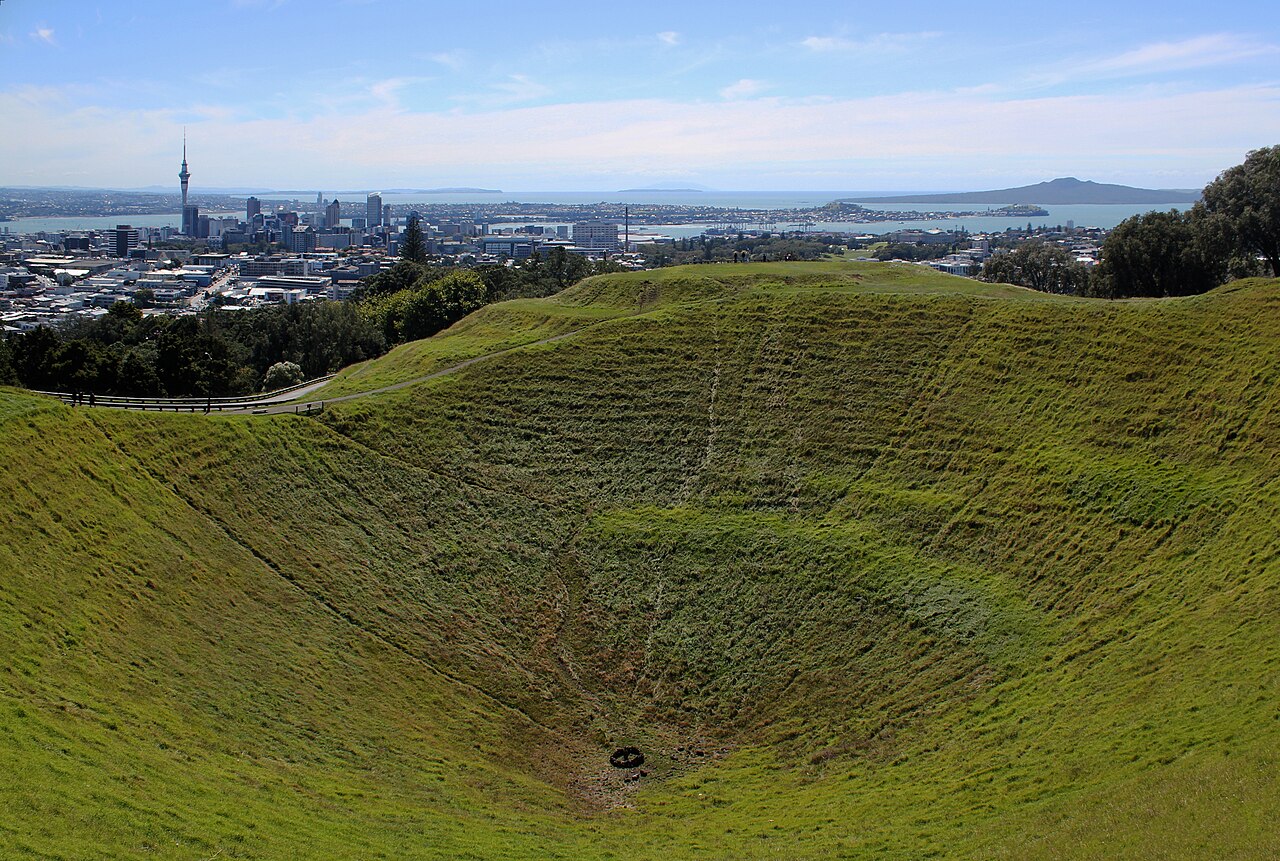
It suits families with children old enough for a long walking day, birdwatchers and couples who enjoy nature. For another gulf island with a very different character, Rangitoto is a volcanic island with lava fields, and for marine wildlife, the dolphin and whale cruise is a good complement.
What to expect
The experience
A ferry day trip to an open wildlife sanctuary, with a ranger orientation and free time to walk the island’s tracks.
Best time
Spring and summer for birdsong and settled sea crossings; the island is open through the year.
How long
About eight hours in total, with roughly five hours on the island.
Tips
Bring lunch, snacks and water as there are no shops, wear sturdy shoes, and check your bags for seeds and insects before boarding.
Quick picks
- Best for
- Birdwatchers, nature lovers and families who want close encounters with endangered native birds.
- Families
- Good for children who enjoy walking and wildlife, with a long day and a boat crossing.
- Couples
- A quiet, beautiful escape from the city that rewards patience.
- Pair with
- Rangitoto Island on another day, or the dolphin and whale cruise.
- Time needed
- A full day.
Good questions
What can I see on Tiritiri Matangi?+
The island is home to re-established populations of endangered native birds, including takahē and stitchbirds, and to tuatara. Sightings are never guaranteed.
How do I get to Tiritiri Matangi?+
By ferry from the downtown waterfront in Auckland, a crossing of about an hour and a quarter across the Hauraki Gulf.
Is there food on the island?+
There are no shops, so bring lunch, snacks and water. Tea and coffee are normally available at the visitor centre.
Is a guided walk included?+
A guided walk is an optional extra on some tours and is led by knowledgeable volunteers. Check what your booking includes.
Why are there biosecurity checks?+
The sanctuary is predator-free, so visitors are asked to check bags and shoes for seeds, insects and food to protect the birds and the island’s restoration.