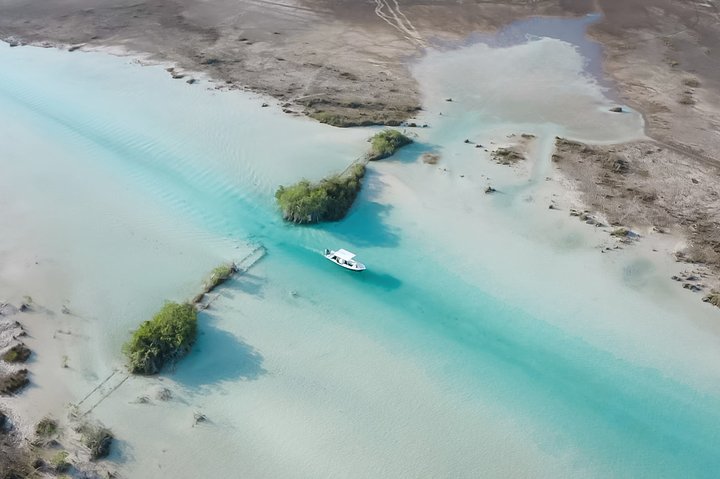
Bacalar is a small town on the western shore of a long freshwater lagoon in southern Quintana Roo, and a first visit is built around the water. The lagoon is known as the Lagoon of Seven Colors because its shades of blue and green change with depth and light, and the tourism board notes that it is calmest in the morning. Around it you will find open-air cenotes, living stromatolites, a pirate-era fort and Maya sites within about an hour. This guide covers Bacalar and its immediate surroundings, with Chetumal included only for its museum. Tulum, Cancún and the coast further north are separate trips and are not covered here.
Check current travel advisories
Conditions anywhere can change, so check the latest travel advisories from your own government before you book and again before you fly, and follow local guidance on arrival. The wet season runs through the autumn, so keep your plans flexible and allow for the occasional cancelled or rescheduled boat trip.
What to book ahead
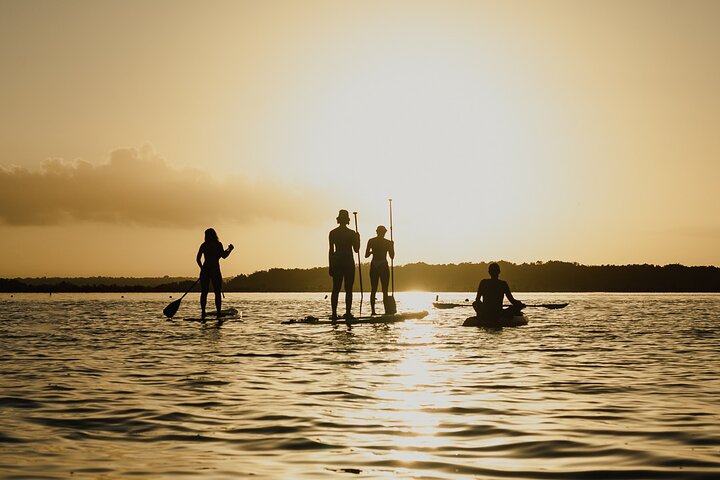
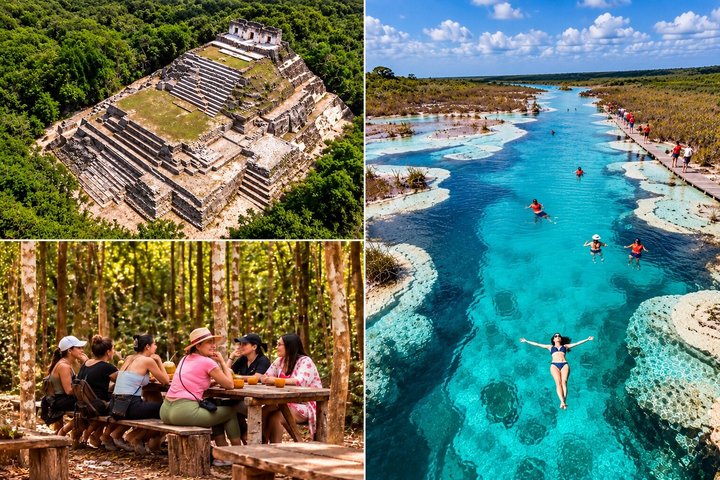
Reserve the lagoon boat tour first, since it is the busiest outing and the most reliable way to see the colours. A sunrise paddleboard tour is the quietest alternative and includes breakfast and photos. If you want something restorative, the private Janzu aquatic massage session is usually reserved about a month ahead. For ruins, the Ichkabal and Los Rápidos day trip includes hotel pickup and saves you arranging transport to a remote site. Everything else, including the cenotes, the fort and the town, you can do on the day.
How to get around
The nearest airport is at Chetumal, about 40 minutes by car from Bacalar, and the Tren Maya also has stations serving Bacalar and Chetumal. In town you can walk or cycle, and taxis cover the Costera, the cenotes and the hotels along the highway. A rental car is useful if you plan to see Dzibanché or stay at a hotel outside the centre, and tours with pickup are the alternative. Carry cash, because many cenote gates, craft stalls and small cafes only take pesos.
How many days
Two nights is enough for the lagoon, a cenote and the fort, but three or four nights lets you add a ruins day and a slow morning without rushing. A typical rhythm is an early start on the water, a swim at a cenote in the middle of the day and a walk around the square in the evening. If you only have one full day, take the boat tour in the morning, swim at Cenote Azul in the afternoon and finish at the fort.
Where the sights fit
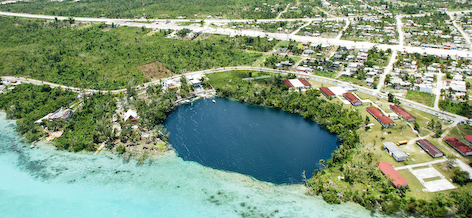
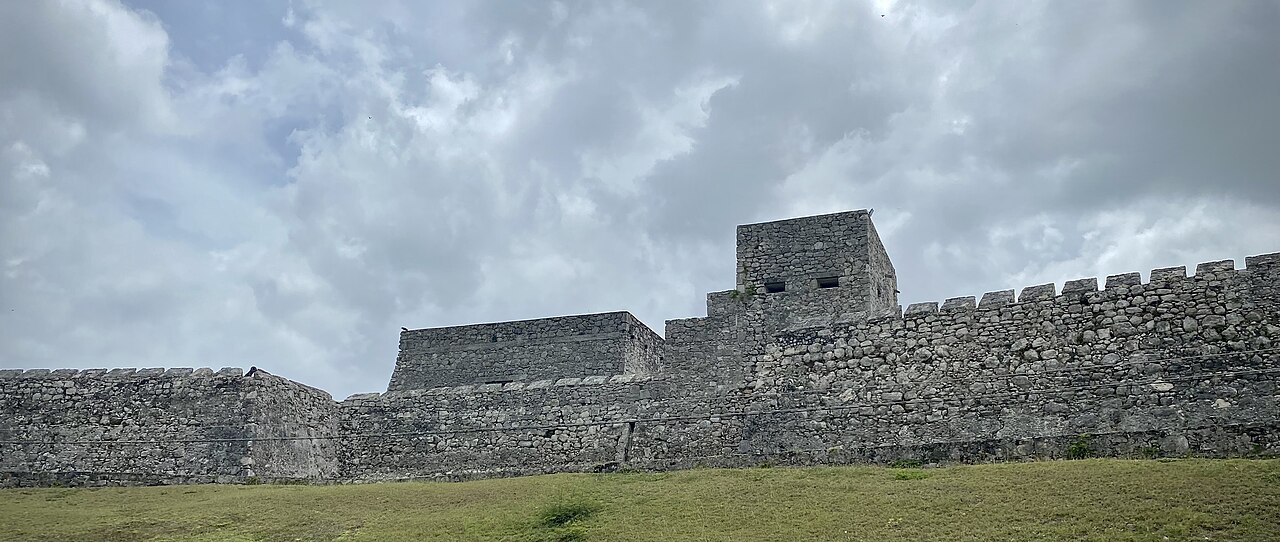
The Fuerte de San Felipe and the main square are in the town centre and take an hour or two on foot. Cenote Azul and Cenote Cocalitos are a few minutes south by car, taxi or bike, and pair well because one is deep and busy while the other is shallower and known for its stromatolites. Ichkabal is about 40 kilometres from town, Dzibanché about an hour away, and the Museo de la Cultura Maya in Chetumal about 40 minutes. The Costera road along the shore is best for strolling, cycling and finding a dock for a swim.
Protect the lagoon
Stromatolites are among the oldest life forms on Earth, and they are fragile. Never step on or touch them, avoid rubbing clay from the Pirates Channel banks on your skin, and use sunscreen sparingly or not at all in the water. Sunscreen, lotions and repellent are not allowed in Cenote Azul. A rash guard and hat are the best protection.
Where to stay
Choose between the town centre, the Costera and the lagoon-front hotels along the highway. The accompanying guide on where to stay compares the five hotels here, from a resort with a spa and marina to a budget hotel close to town. Book early for holidays and long weekends, when the cenotes and boats fill quickly.