Azerbaijani cooking is one of the great undiscovered cuisines of the region, built on herbs, saffron, dried fruit, lamb, fish from the Caspian and a pilaf tradition that takes real skill. A cooking class is the most direct way to understand it. You arrive in a kitchen with a local cook, put on an apron and start work on a menu that usually includes a stuffed vine-leaf dish, a soup or salad and a pilaf with its crisp rice crust. Smaller details come with the lesson: how to season the dumpling filling, how to layer the rice and why the tea comes in a pear-shaped glass. When the cooking is done, everyone sits down and eats together, and there is often a glass of wine on offer. It is friendly, practical and delicious, and you leave with recipes that really work back home.
How the class runs
Groups are small, so everyone gets a turn at the board. The cook demonstrates a step, you repeat it, and questions are encouraged. Expect to chop herbs, shape dough or fill dumplings by hand and to taste as you go. The pilaf is the centrepiece, and its slow steam-cooking technique shows why Azerbaijani rice dishes taste so different from quicker versions elsewhere. Vegetarian guests are usually catered for with notice.
Choosing a time
Lunch classes finish with a leisurely midday meal and leave the afternoon free for sightseeing. Evening classes feel more like a dinner party, with the wine option adding to the atmosphere. Either way, plan to arrive hungry and avoid a big meal beforehand.
Making the most of it
Ask about substitutions for ingredients that are hard to find at home, such as specific herbs or dried fruit, and write down the quantities that feel right. Photograph the technique as well as the dish, because the folding and layering steps are the ones that are easy to forget. If you have dietary requirements, tell the operator when you book so that the menu can be adapted.
Who it suits
Food lovers, couples, families with older children and solo travellers who want a social activity. It pairs naturally with a wine tasting or a street food tour, and a class early in the trip helps you order with confidence in restaurants afterwards. Confirm the menu, location and group size with the operator, since formats vary between hosts.
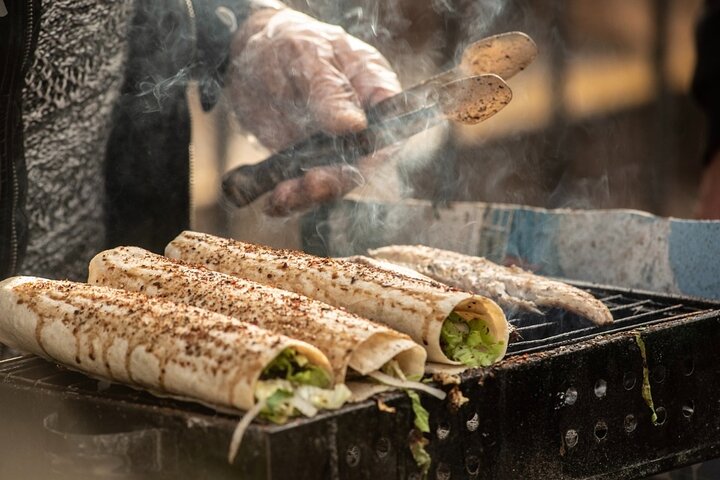
A little more about the dishes you might meet: pilaf in Azerbaijan is cooked in stages, with rice parboiled and steamed so that each grain stays separate, often with saffron, butter and a crust at the base called gazmag. Dolma can be made with vine leaves, cabbage or even aubergine and tomato, and each has its own regional character. Qutab, thin flatbreads filled with greens, meat or pumpkin, are fried on a convex griddle and make a fine snack.
Tea is served in small pear-shaped glasses with jam, sugar cubes or dried fruit on the side rather than milk. Learn the names of these dishes in class and you will find menus much easier to read later in the trip. If you want to bring spices home, ask the host where to buy fresh saffron, sumac and dried herbs.
What to expect
The experience
A hands-on cooking class in a local kitchen, preparing a few traditional dishes and eating them together, with an optional wine pairing.
Best time
Early in your trip, so the lessons help you read menus and order with confidence.
How long
Around three to four hours, including the shared meal.
Tips
Arrive hungry, tell the operator about dietary needs when you book and take notes on the pilaf technique.
Quick picks
- Best for
- Food lovers who want to take a skill home as well as a memory.
- Families
- Good for children old enough to handle dough and herbs; ask about the group mix when you book.
- Couples
- An evening class with the wine option makes a relaxed date night.
- Pair with
- A wine tasting, a street food tour or a visit to a bazaar.
- Time needed
- Three to four hours.
Good questions
Do I need cooking experience?+
No. Classes are designed for beginners as well as keen cooks, and the host guides every step.
What will I cook?+
A typical menu includes a stuffed dish, a soup or salad and a pilaf, but menus vary by host. Check the plan when you book.
Can vegetarians join?+
Usually yes, with notice. Tell the operator your dietary needs in advance.
Is wine part of the class?+
It is often offered as an option. Ask when you book, and check whether it costs extra.
Will I get recipes?+
Many hosts share recipes or notes, but it is worth writing down quantities and techniques as you go.