Gobustan is where Azerbaijan shows its oldest face. The Gobustan State Reserve, established in 1966 and covering about 537 hectares some 60 km south of Baku, protects more than 6,000 ancient petroglyphs scattered across boulders and caves, depicting people, warriors, animals, boats, dances, hunting scenes and camel caravans. The carvings date back roughly 5,000 to 20,000 years, and the reserve also holds caves, settlements and burial grounds used from the Upper Paleolithic to the Middle Ages. A first-century AD inscription left by a passing Roman soldier is described as the easternmost Roman inscription ever found, and a two-metre stone called the gaval dash rings like a tambourine when struck with a smaller stone. The site is UNESCO-listed and has a modern museum at the entrance. A short drive away, Azerbaijan's mud volcanoes belong to a landscape of low, grey cones where cold mud and gas bubble to the surface with a wet, popping sound. A half-day tour from Baku links the two, with a guide, transport and time at each stop.
How the trip works: most visitors join a half-day or full-day tour from Baku, because the reserve and the mud volcanoes sit on rough roads that are awkward to reach without a driver. A half-day group tour runs about three to four hours, with pickup from your hotel, a walk along the rock art trails with a guide, time in the museum and a stop at the mud volcano fields. A guide matters at Gobustan, because the carvings are easy to miss without someone pointing them out.
At the mud volcanoes: the landscape looks like another planet, with cones of dried grey clay and small pools that bubble. The mud is cold, not hot, and the volcanoes are small; the roads can be bumpy, and many operators use 4x4 vehicles for the last stretch. Wear closed shoes you do not mind getting dirty, because tracks can be muddy after rain and the clay clings to everything. Bring water, sun protection and a light layer for the wind.
When to go: spring and autumn are comfortable, and the Azerbaijan Tourism Board lists spring, summer and autumn as the peak season. Summer afternoons are hot with little shade. In November the conditions are cooler, but rain can make the mud tracks slippery and some operators change their route, so confirm your pickup and the route with the operator the day before. Entry fees to the reserve and the mud volcano complex may or may not be included in the tour price, so check the inclusions.
What to expect
The experience
A guided half-day trip with hotel pickup, a walk along the rock art trails and museum at Gobustan, and a stop at the bubbling mud volcano fields.
Best time
Morning departures for cooler temperatures and softer light on the rocks, in spring or autumn if possible.
How long
Around three to four hours from pickup to drop-off.
Tips
Wear closed shoes you can get dirty, carry water and a light layer, and confirm entry fees and the route with the operator beforehand.
Quick picks
- Best for
- Travellers who want something truly different from the city in a few hours.
- Families
- Children love the bubbling mud and the carvings, but the rough terrain needs supervision.
- Couples
- A scenic, offbeat half-day, ideally paired with an evening in the Old City.
- Pair with
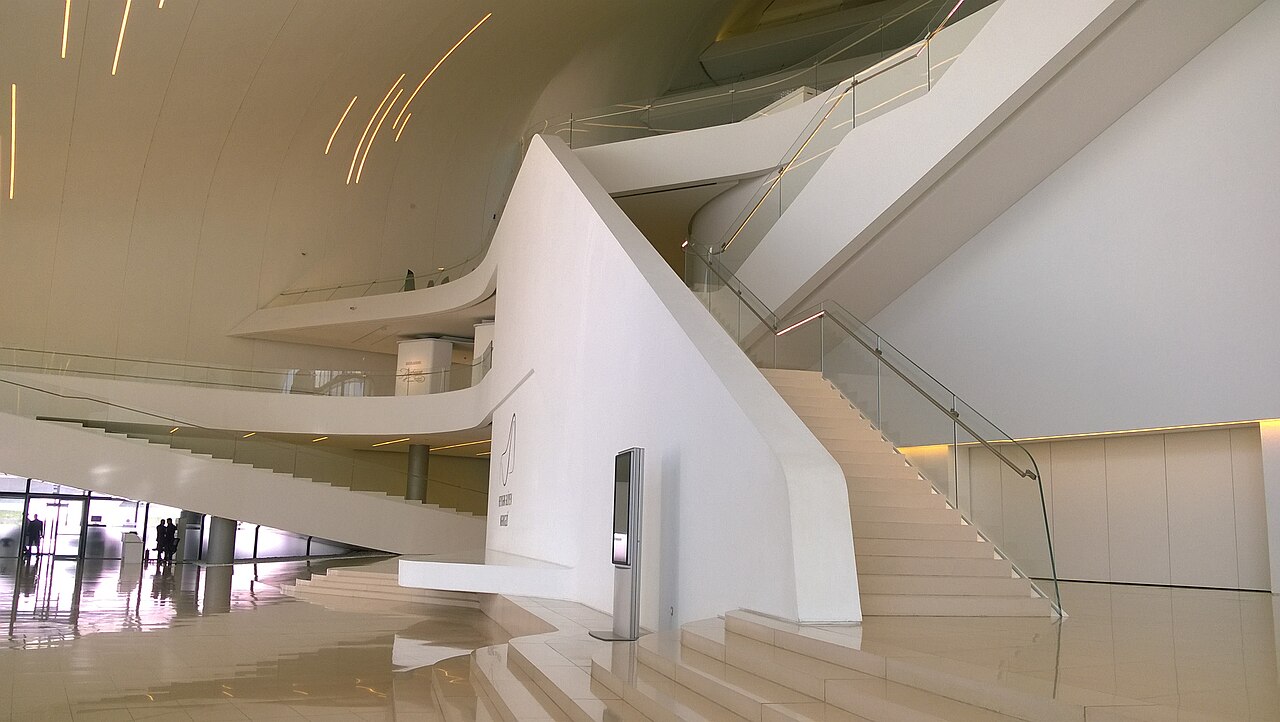
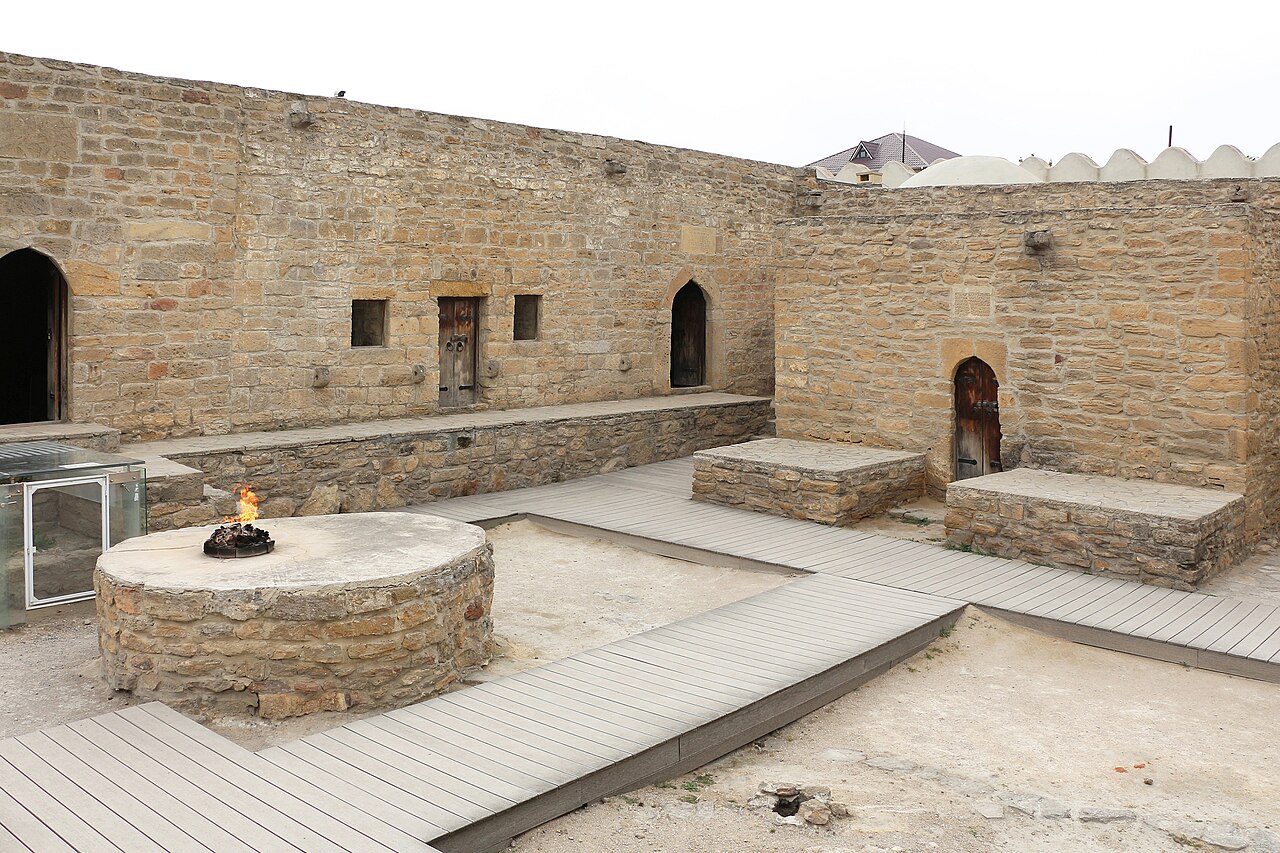
- The Ateshgah fire temple and Yanar Dag, or a Heydar Aliyev Center stop.
- Time needed
- Plan a half day, or a full day if you add the Absheron fire sites.
Good questions
How old are the Gobustan carvings?+
The petroglyphs date from roughly 5,000 to 20,000 years ago, and the reserve contains more than 6,000 of them. Camp and burial sites in the area were used from the Upper Paleolithic to the Middle Ages.
Is the mud hot?+
No, the mud in the cones is cold, and the bubbling is caused by gas rising through the clay. It is safe to watch, but follow your guide's instructions near the pools.
Can I go without a tour?+
You can hire a taxi or a driver, but the roads are rough and a guide adds a lot at the rock art site. Most visitors take a half-day group or private tour.
How far is it from Baku?+
The reserve is about 60 km south of Baku, roughly an hour's drive, with the mud volcanoes a short distance further. Hotel pickup is common.
Are entrance fees included?+
It depends on the tour, so check the inclusions on the booking page. Some tours bundle the reserve and mud volcano fees and others list them separately.