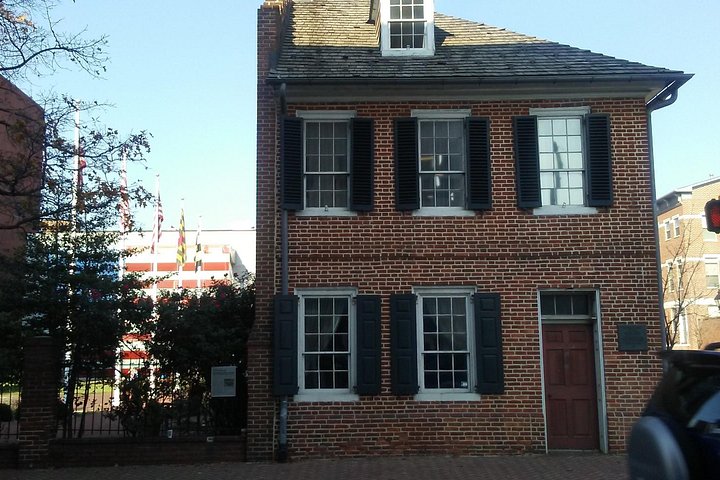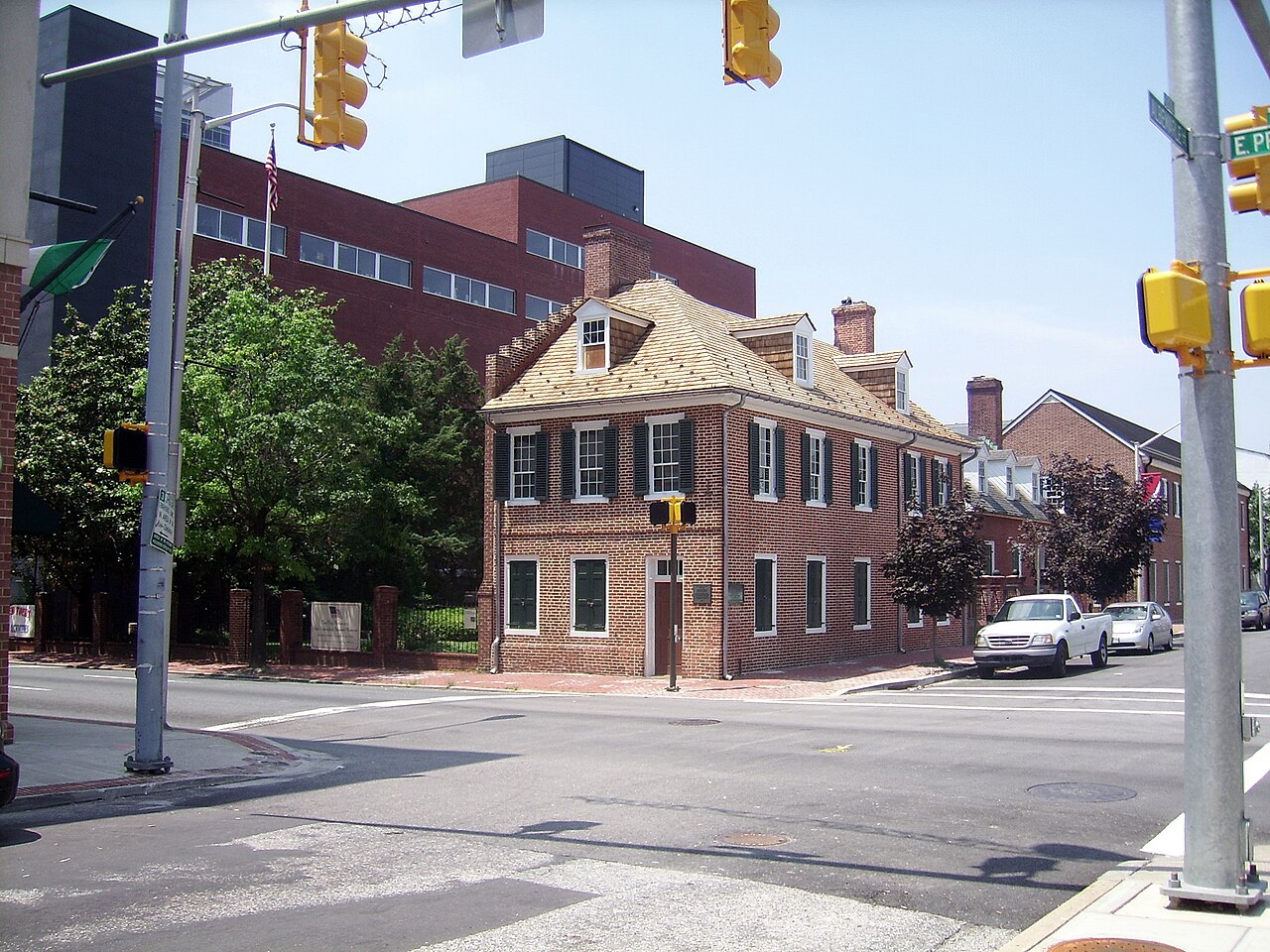
Fort McHenry is where the Star-Spangled Banner flew, but the Flag House is where it was made. In the summer of 1813 a Baltimore flagmaker named Mary Young Pickersgill took on a commission for a flag so large that she needed more floor space than her own house offered, and she is remembered for sewing the banner, roughly 30 by 42 feet, with help from the women of her household. Her home at 844 East Pratt Street survives in the Jonestown neighborhood, furnished to look as it did around 1813, and it tells the story of the women who worked on the flag and of the neighborhood around it. Next door, the Maryland House and its galleries hold exhibits that put the flag in the context of the War of 1812 and the Battle of Baltimore, including a Children’s Discovery Gallery for younger visitors. The flag itself now belongs to the Smithsonian, so this is the place to understand how it came to be rather than to see the fabric. It is a compact, rewarding museum that takes well under two hours and makes the visit to the fort mean more.
Planning your visit
The museum is open Tuesday to Friday during the day and on Saturday, and it is closed on Sunday and Monday, with shorter weekday hours than most Inner Harbor attractions, so check the calendar for holiday closures before you go. Admission is modest, with reduced rates for seniors, military and students and free entry for young children, and groups can arrange a discount by contacting the museum. The house is at the corner of East Pratt and Albemarle Streets, a short walk or ride from the Inner Harbor, Fells Point and Little Italy.
What to expect
Tours of the historic house are currently self-guided, and an audio tour is available for all visitors. Touring the house means climbing stairs, so it is not fully accessible, though the Children’s Discovery Gallery, the ballroom, public restrooms and the first floor of the Maryland House are wheelchair accessible. The rooms are small and domestic, which is part of the point: it was an ordinary working household, not a grand mansion, that produced a national symbol.
Making the most of it
Visit the Flag House before Fort McHenry so that the story of the commission, the size of the flag and the people who made it are fresh when you reach the ramparts. It combines well with lunch in Little Italy and a stroll to Harbor East. Families will like the hands-on gallery, and history lovers will appreciate the focus on the women and the neighborhood behind the famous banner rather than the battle alone.
What to expect
The experience
A self-guided visit to Mary Pickersgill’s furnished 1813 house, with an audio tour and museum galleries next door.
Best time
A weekday morning or Saturday, before heading to Fort McHenry.
How long
One to one and a half hours.
Tips
Check the calendar for holiday closures, expect stairs in the house and see it before Fort McHenry.
Quick picks
- Best for
- History lovers and anyone who wants the full story behind the Star-Spangled Banner.
- Families
- The Children’s Discovery Gallery is a good fit for younger visitors, though the house has stairs.
- Couples
- A quiet, thoughtful stop, easily paired with lunch in Little Italy.
- Pair with
- Fort McHenry, Historic Ships in Baltimore or the Fells Point food tour.
- Time needed
- About an hour to 90 minutes.
Good questions
Where is the Flag House?+
At 844 East Pratt Street, at the corner of Albemarle Street in the Jonestown neighborhood, just north of Little Italy.
When is it open?+
Tuesday to Friday and Saturday, with shorter hours on weekdays. It is closed on Sunday and Monday, so check the calendar for holidays.
Is the tour guided?+
Tours of the historic house are currently self-guided, and an audio tour is available to all visitors.
Is it wheelchair accessible?+
Partly. The Children’s Discovery Gallery, ballroom, restrooms and first floor of the Maryland House are accessible, but touring the historic house means climbing stairs.
Can I see the original flag here?+
No. The Flag House tells the story of how Mary Pickersgill and her household made the flag; the flag itself is kept by the Smithsonian.