Baltimore is a city where people argue cheerfully about the right way to cook a crab, and visitors who arrive hungry and curious will eat very well. The food here is shaped by the Chesapeake Bay, by waves of immigrants who settled around the harbor and by a working-class tradition of hearty, unfussy cooking. This guide covers the dishes worth looking for and the easiest ways to taste them without a long restaurant research project.
Start with the crab
The Maryland blue crab is the city’s signature, and it comes in two main forms. A crab cake is a mound of lump crabmeat held together with as little filler as the cook dares, broiled or fried, and served on its own, in a sandwich or with a side of fries. Steamed crabs are the other classic: whole crabs piled onto brown paper, covered in a generous coating of Old Bay seasoning and cracked open with a wooden mallet. Eating them is slow, messy and social, which is the point. Crabs are best from spring through autumn, with the heaviest crabs and the biggest crowds from midsummer, so if your trip falls in winter, expect crab cakes and crab soup to be the main way to meet the local favorite. Ask your server what is in season and where the crabmeat comes from, since the answer tells you a lot about the kitchen.
Beyond crab
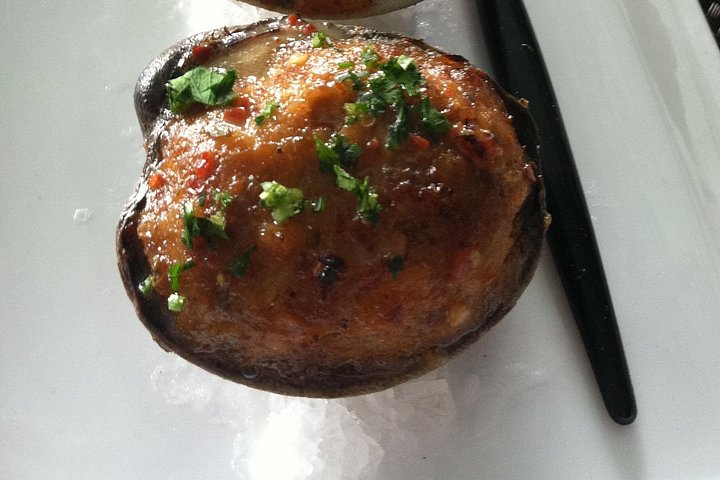
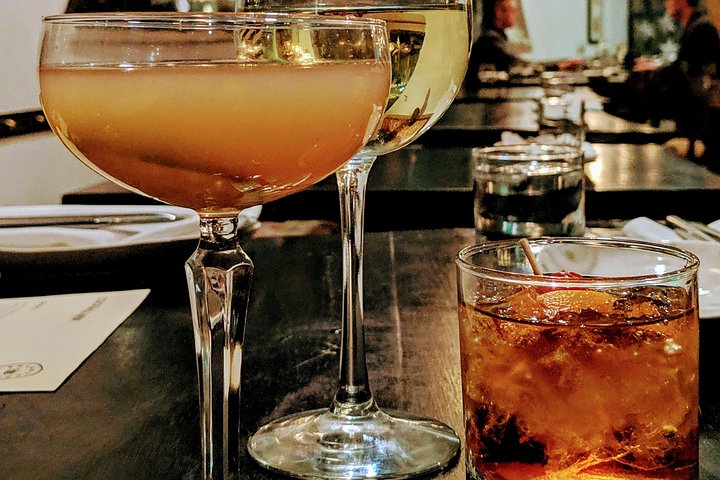
Baltimore’s other dishes are humbler and just as local. Pit beef is a roadside tradition of beef grilled over charcoal, sliced thin and piled on a roll, often with horseradish sauce and raw onion. A coddie is a fried potato and cod cake eaten between saltines with mustard, an old corner-store snack. Oysters, once the harbor’s great industry, remain a fixture on raw bar menus in the colder months. For something sweet, look for Berger cookies, soft shortbread rounds covered in thick fudge, and for a hot day, a snowball, which is shaved ice with syrup rather than a snow cone. To drink, the city’s old working-class beer is National Bohemian, known as Natty Boh, which you will find in bars across the city, alongside a lively craft beer and cocktail scene in the neighborhoods around the harbor.
The easiest way in: a food tour
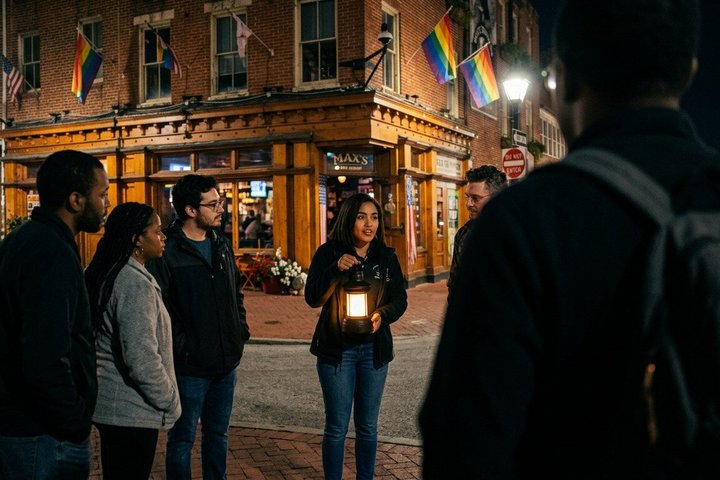
If you only do one organized tasting, make it the Fells Point walking food tour. A local guide leads a small group through the cobblestone streets of the old port, stopping at several places for tastings and telling the stories of the neighborhood between them. It is a good way to try more dishes than a single restaurant meal would allow and to learn where locals eat, and it is among the top-rated experiences in the city. Do it on your first full day, because it will give you a short list of places to return to. If you are visiting Annapolis, the Historic Annapolis food tour does the same thing as a progressive lunch through the colonial streets.
Neighborhoods to graze
Fells Point is the best place to wander between bars and seafood spots after dark, and it is also where the ghost walk and haunted pub tours end up. Little Italy, a short walk east of the harbor, keeps its old family restaurants and bakeries and is the place for a long pasta dinner. Federal Hill and Harbor East offer a more contemporary mix of restaurants and wine bars, and Mount Vernon has intimate dining rooms close to the museums. Eating is rarely far from the sights, so you can plan around them rather than the other way around.
Putting it together
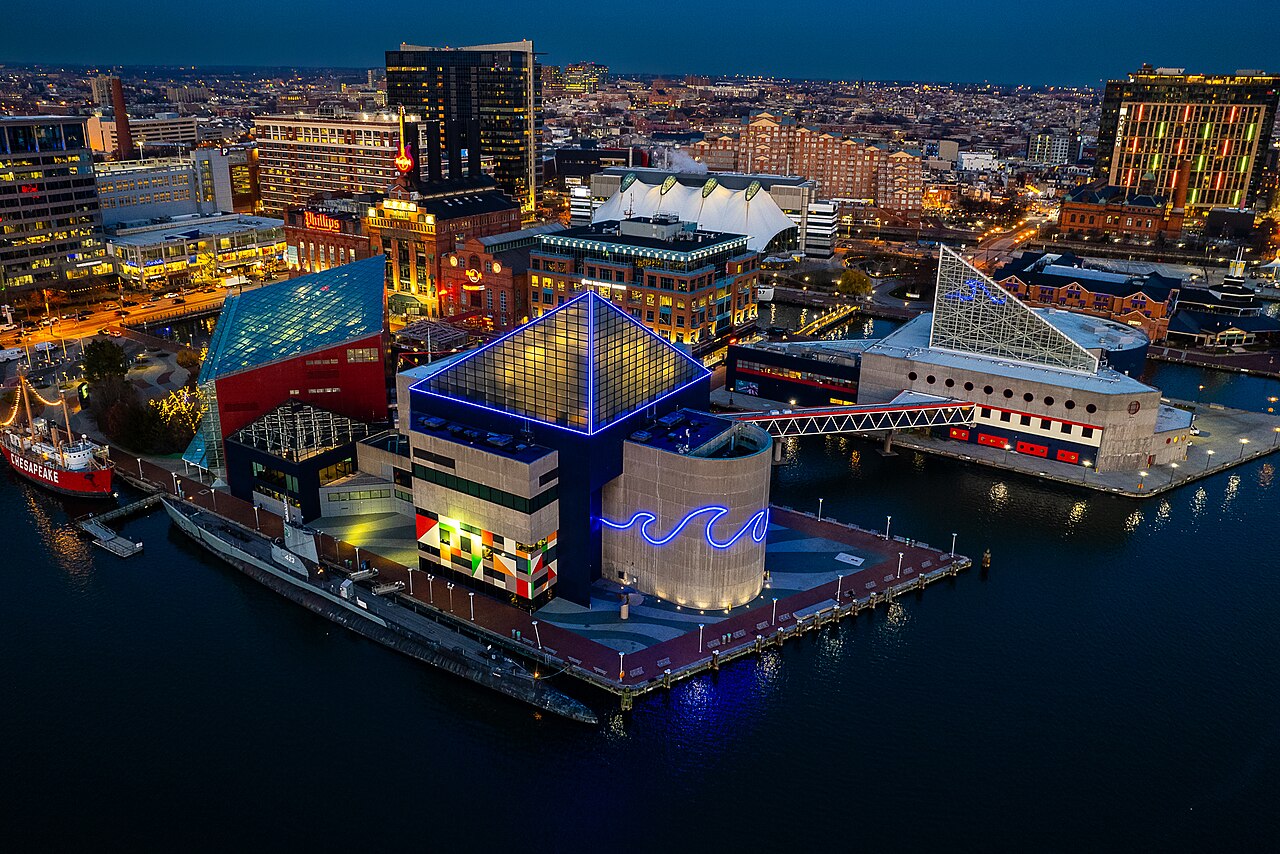
A simple plan for a first visit: crab cakes for lunch after the National Aquarium or the historic ships, the Fells Point food tour as your main tasting, steamed crabs on a warm evening if the season allows and a late bar stop before or after the ghost walk. On a wet day, the free art museums give you an easy gap between meals, and the Annapolis day trip makes a nice change of scene for lunch.
Practical tips
Reservations are wise for dinner on weekends and on Ravens and Orioles game days, when hotels and restaurants fill up. Steamed crabs are priced by size and market availability, so ask before you order. If you have a shellfish allergy, mention it clearly, as crab seasoning appears in surprising places, including fries and chips. Tipping follows the usual American custom, and many seafood houses add a service charge for large groups.