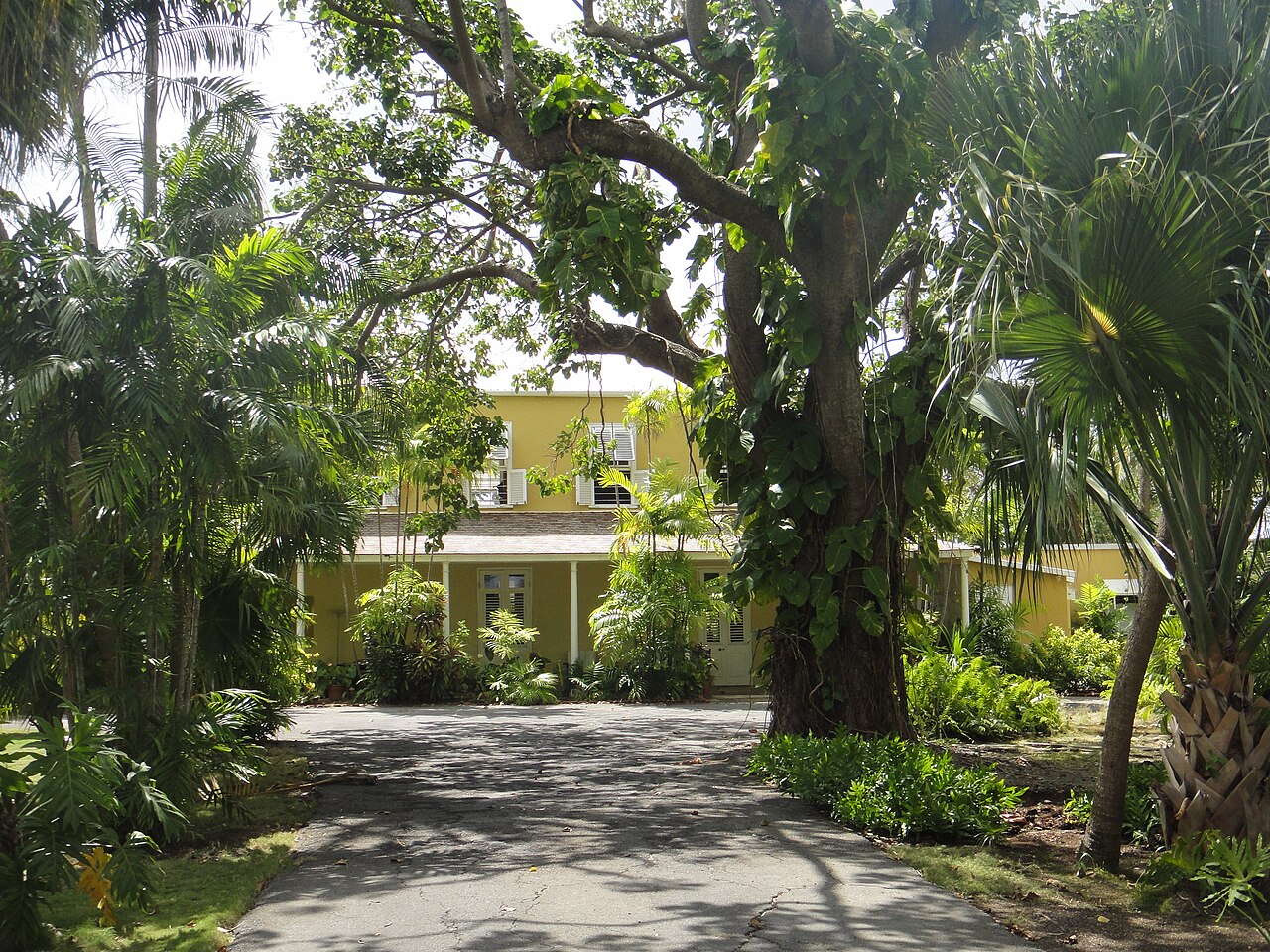
The Barbados Wildlife Reserve is a small, shaded woodland sanctuary in the north-west of the island, in the parish of St Peter, where animals live in semi-wild conditions and visitors walk among them on easy paths. The star attraction is the green monkey, a species brought to Barbados from West Africa during the colonial period that has since become part of the island's wildlife. Troops of monkeys move through the trees and across the paths, and watching them play, climb and squabble is a treat for visitors of all ages. Alongside the monkeys, the reserve is home to red-footed tortoises, which wander through the leaf litter, as well as iguanas, deer, agoutis, birds and other animals, some in open enclosures and some free to move around. A mahogany forest provides shade and keeps the temperature pleasant, and short loops make the reserve easy to explore in an hour. It is an ideal first stop on a day tour of the north, usually paired with a visit to St Nicholas Abbey, Cherry Tree Hill or Animal Flower Cave.
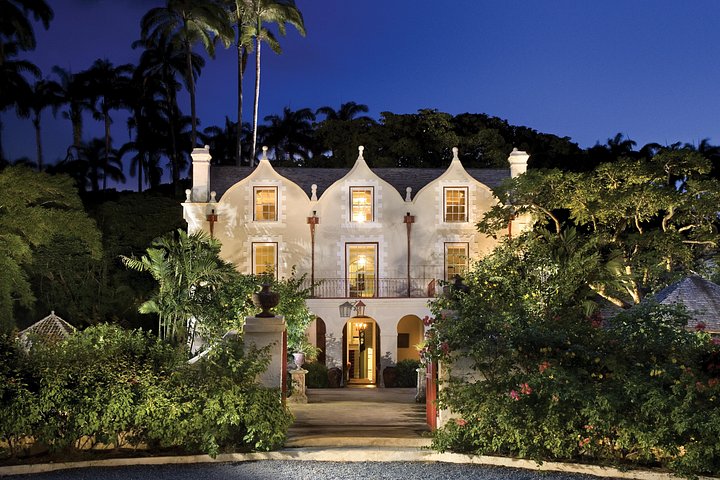
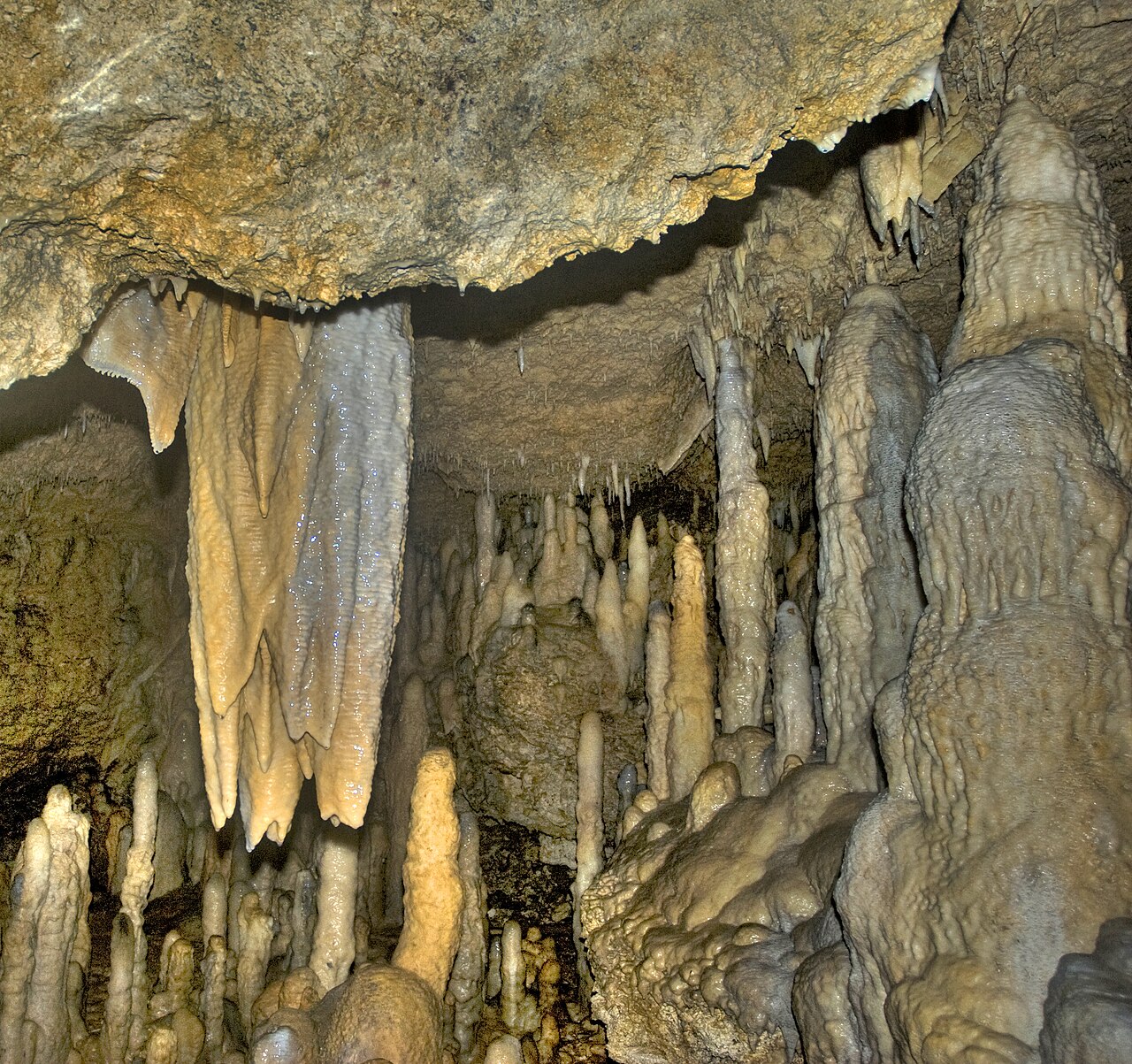
The tour linked here is an island tour that includes lunch and a visit to a wildlife sanctuary, and it is the simplest way to see the reserve with transport and a guide. Itineraries vary, so confirm the exact stops and whether admission is included when you book. If you are travelling independently, taxis can drop you at the entrance and collect you after an hour or two, and the reserve sits within easy reach of Speightstown and the west coast.
What to expect
The monkeys are the main draw and are used to people, so they are often close to the paths, especially around feeding times. Keep a respectful distance, never feed the animals yourself and follow the staff's guidance, as they are wild and can bite if provoked. Hold on to phones, sunglasses and bags, because monkeys are curious and quick.
The paths are mostly flat and shaded, with some uneven ground, and the reserve is suitable for most ages. Bring water, insect repellent and a hat, and wear closed shoes. Some enclosed animals are viewed from a distance, and facilities include a small shop and cafe.
Opening hours and admission can change, so check ahead, particularly in the quieter months. The best time to visit is in the morning, when the animals are most active and the air is cooler, or late in the afternoon. Combine the reserve with the nearby Farley Hill National Park or a lunch in Speightstown, and add St Nicholas Abbey or Animal Flower Cave to make a full day in the north.
For families, it is one of the easiest and most rewarding stops on the island, and it works well on days when the sea is too rough for a boat trip. Be respectful of the animals and the staff who care for them, and learn what you can about conservation and the island's introduced species.
The reserve is also a good place to talk with children about conservation and introduced species, and staff are often happy to explain how the animals are cared for. Visit early in the day to see the most activity, and take a moment to watch the monkeys' behaviour, from grooming to games, which says a lot about how they live. Leave plenty of time for the shop and the shade of the cafe.
What to expect
The experience
A walk on shaded woodland paths among monkeys, tortoises, birds and other animals, usually as one stop on a guided island tour.
Best time
Morning or late afternoon, when the animals are most active and the paths are cool.
How long
About one to two hours at the reserve, longer if you are on a full island tour.
Tips
Do not feed the animals, secure phones and sunglasses, wear closed shoes and carry water and repellent.
Quick picks
- Best for
- Families and animal lovers who want close encounters in a relaxed, shaded setting.
- Families
- One of the best stops for children, who love the monkeys and tortoises; supervise closely near the animals.
- Couples
- A light, fun stop on a northern drive, best before a long lunch.
- Pair with
- St Nicholas Abbey, Animal Flower Cave and a lunch in Speightstown.
- Time needed
- One to two hours, or a full day on an island tour.
Good questions
Will I really see green monkeys?+
Very likely. Troops live in and around the reserve and are often close to the paths, especially around feeding times.
Can I feed the animals?+
No. Follow the staff's guidance and keep food out of sight, because the animals are wild and can bite.
How long should I allow?+
Most visitors spend one to two hours on the paths, in the shop and at the cafe.
Is it good for young children?+
Yes, it is one of the most child-friendly outings on the island. The paths are shaded, though some ground is uneven.
How do I get there without a car?+
Take an island tour that includes the reserve, such as the one linked here, or ask a taxi driver to wait while you visit.