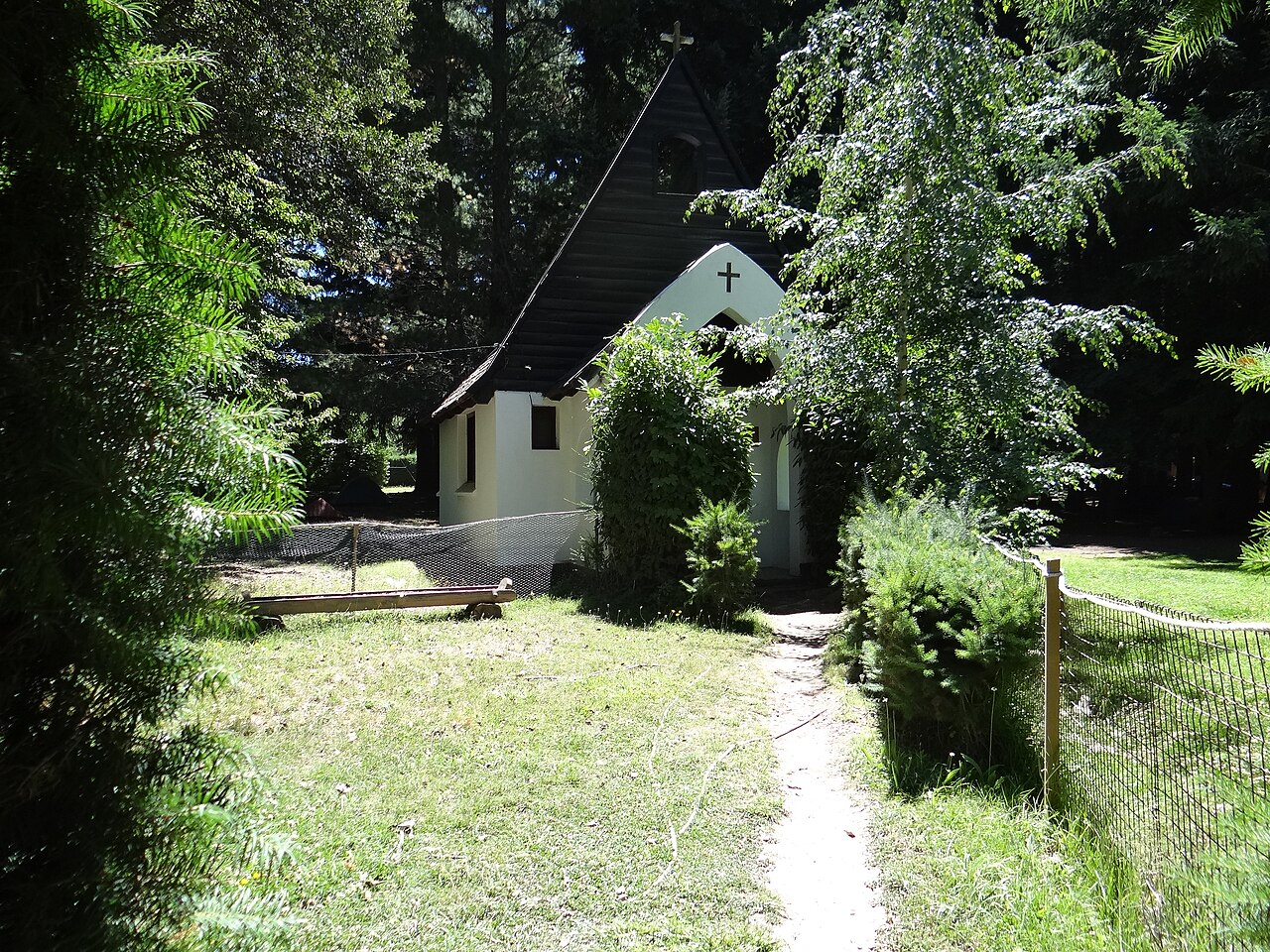
Colonia Suiza is a small settlement a short detour off the Circuito Chico, about 25 kilometres from downtown Bariloche, and it feels like a different place from the city. It was the first European settlement in the region, it is protected as cultural heritage and it has kept its late nineteenth-century look, with wooden buildings, small farms and tea houses along quiet lanes. Its main draw is the artisan fair on Wednesdays and Sundays, with craft stalls, tastings of regional products and, most famously, curanto, a traditional pit-cooked dish of meats and vegetables layered over hot stones. The cooking is best seen on Sundays before noon. Berry plantations nearby produce jellies, preserves and pastry ingredients that you can taste and buy, and the tea houses serve cakes and tarts with local fruit. Most visitors spend a half-day here as part of the Circuito Chico, with a long lunch and a stroll. Days and activities change with the season, so check ahead if the fair is the reason for your visit.
The settlement's character comes from its mix of Swiss and Patagonian traditions. The farms are small, the setting is calm and the surrounding hills and lakes provide a backdrop, so the place suits a slow afternoon more than a list of sights. Curanto, an Araucanian dish brought across the Andes from Chile, is the signature meal, and watching it prepared at the Sunday fair is part of the visit: stones heated in a fire, layers of meat, potatoes and other ingredients, a cover of leaves and earth, then a long wait.
Each year a national curanto festival is held here in the late summer, drawing large crowds, while the ordinary fair days are calmer and better for browsing.
Practicalities are simple. Colonia Suiza is reached from the Circuito Chico road by a turn after the bridge across Lake Moreno, and the same detour is part of many guided small-circuit tours, so you can see it as a stop rather than a separate trip. If you drive, parking is informal near the fair and the lanes are narrow, so go slowly.
On fair days arrive before noon to see the curanto and to find a table at lunch, which fill early, and bring cash because small stalls may not take cards. In November, spring, the fair is quieter than in summer, the gardens begin to bloom and the berry farms are waking up for the season, though some tea houses keep reduced hours, so call ahead.
What to buy and eat
Berry jellies and preserves make good gifts, and the fruit tarts and cakes served with tea are a highlight, especially with local berries. Handicrafts at the fair include wood carvings, knitted goods and leather. If you want more activity, there are walking tracks, cycling lanes and canopy ziplines in the area, and the village connects naturally with Campanario and the Llao Llao peninsula in a single day. Because Colonia Suiza is a living community rather than a theme park, be respectful of private farms and keep to public paths.
What to expect
The experience
A relaxed visit to a small heritage village with an artisan fair on Wednesdays and Sundays, pit-cooked curanto, tea houses and berry products.
Best time
Sunday before noon to see the curanto being cooked; weekday fair days are quieter.
How long
Two to three hours, or longer if you linger over lunch or tea.
Tips
Arrive before noon on fair days, bring cash for stalls, and check that the tea house you want is open if you visit in the shoulder season.
Quick picks
- Best for
- Visitors who like local food, crafts and a slow village afternoon.
- Families
- Open spaces, farm animals and sweet treats keep children content, and the lanes are quiet.
- Couples
- Tea and berry tart at a garden table, then a stroll through the fair.
- Pair with
- Cerro Campanario and the Llao Llao peninsula on the Circuito Chico.
- Time needed
- A half-day with lunch as part of the Circuito Chico.
Good questions
When is the Colonia Suiza fair?+
The artisan fair runs on Wednesdays and Sundays, with craft stalls, tastings of regional products and curanto preparation. Dates and activities can change, so check before you go.
What is curanto?+
It is a traditional dish of meats and vegetables cooked in a pit over hot stones, brought across the Andes from Chile. The cooking is best seen on Sunday mornings at the fair.
How far is Colonia Suiza from Bariloche?+
It is about 25 kilometres from downtown, reached by a detour from the Circuito Chico road after the bridge over Lake Moreno.
Is Colonia Suiza worth visiting in November?+
Yes, though it is quieter than in summer. The gardens begin to bloom, but some tea houses keep reduced hours, so call ahead.
Can I visit without a car?+
Yes. Many guided small-circuit tours include a stop here, and taxis and city buses along the lake road reach the junction.