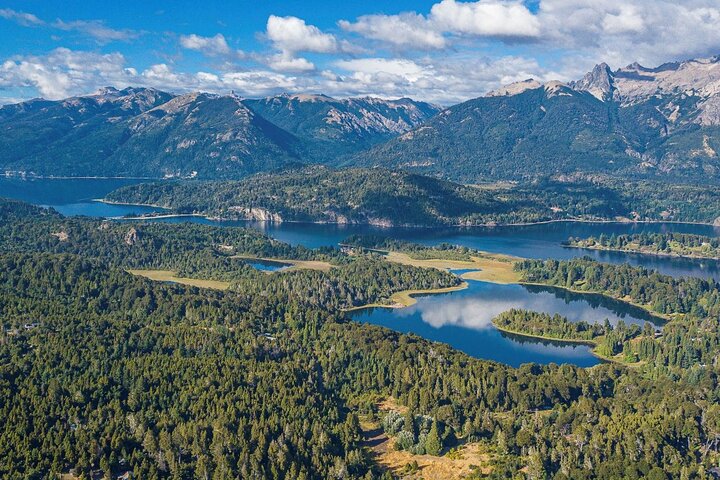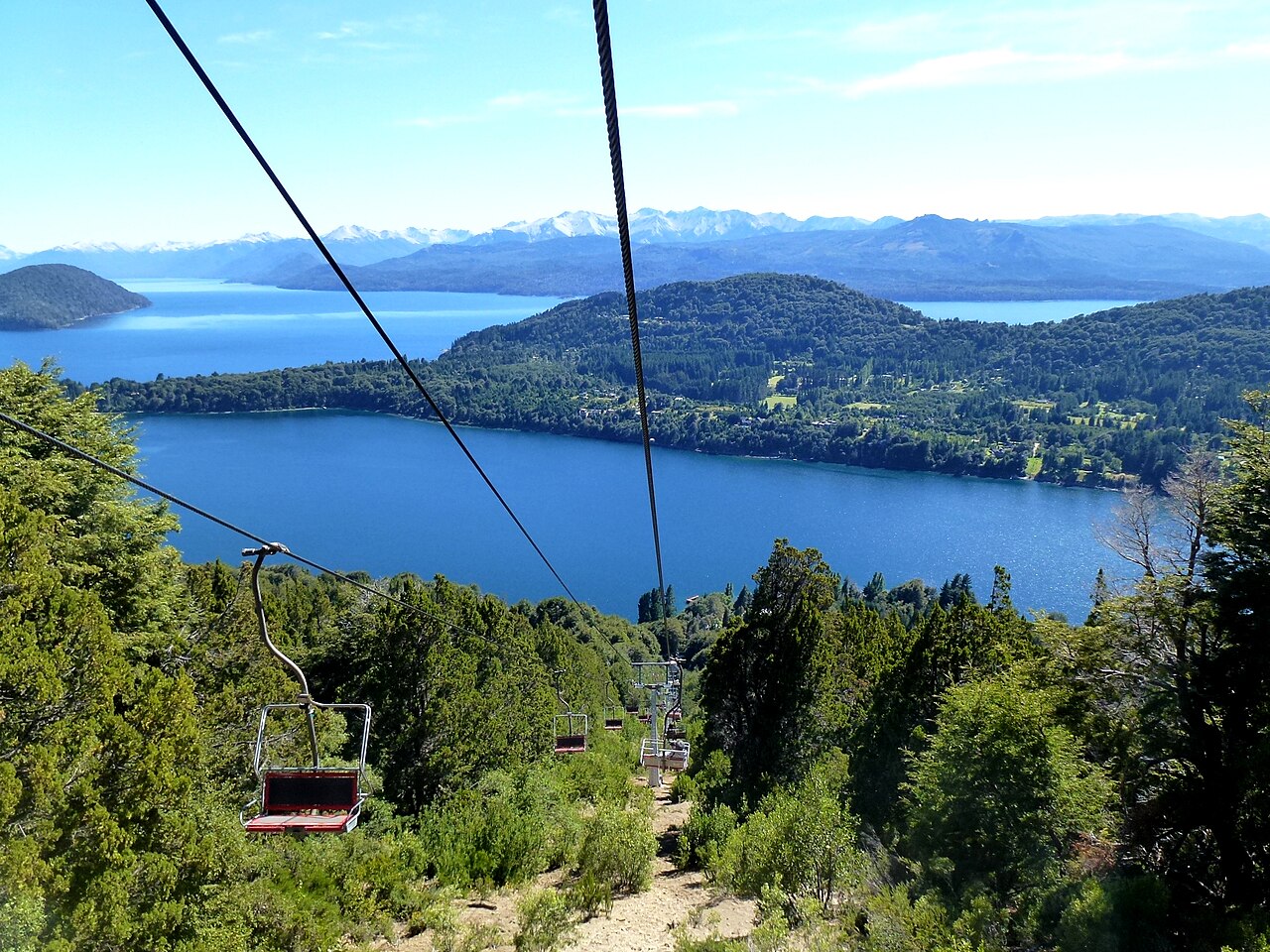
Nahuel Huapi National Park was created in 1934 and is the oldest national park in Argentina, and its trail network is among the best in the Andes. A guided day hike is the simplest way to experience it, because the mountains around Bariloche rise steeply from the lakes, trails are not always signed, and weather can change quickly. A guide meets you at your hotel, drives you to a trailhead and leads the group along a route chosen for the day's conditions and the group's fitness. Typical hikes climb through forest of lenga and coihue to ridges with views across Nahuel Huapi, with options that range from a few hours at a moderate pace to long days that reach mountain refuges and high lookouts. The pace is steady, and breaks are taken at viewpoints, streams and lakes, so you can photograph, snack and rest. A trekking day is a good fit for travellers who want real mountain scenery without the logistics of finding a trail and arranging transport themselves.
The choice of route matters. Hikes near Bariloche include trails on Cerro Llao Llao, Cerro López, Cerro Otto and the Catedral massif, each with its own character. Granite spires and alpine refuges are the highlight of the higher routes, while lower routes offer forest, waterfalls and lake views for those who prefer an easier day.
Many operators offer different difficulty levels, so describe your fitness honestly and ask what the walk involves in terms of distance, elevation and time. A guide who knows the terrain also adds value by explaining the plants, the geology and the history of the park, and by watching the weather so the group can turn back safely.
Preparation is straightforward. Wear layered clothing, because it can be cool at altitude even on a warm day, and bring a waterproof jacket, a hat, sunscreen and sturdy hiking shoes or boots. Carry plenty of water and a packed lunch or snacks unless the tour provides them, and confirm whether park entry or refuge fees are included. Trekking poles help on steep sections, and some operators lend them. Start early, since afternoon cloud and wind often build, and plan to finish with enough time for a hot drink in town.
Season shapes the experience. Late spring through autumn is the main hiking window, when trails are mostly snow-free, days are long and the forest is green in summer and gold in autumn. Early in spring and in winter, snow and ice cover the higher trails, and operators may switch to lower routes or snowshoe outings.
Because routes depend on conditions, flexibility is important, and a good guide will adjust the plan rather than push on in poor weather. A day on the trail pairs naturally with a relaxed evening of chocolate and dinner downtown, and it works well on a day when you want a break from vehicles and boats.
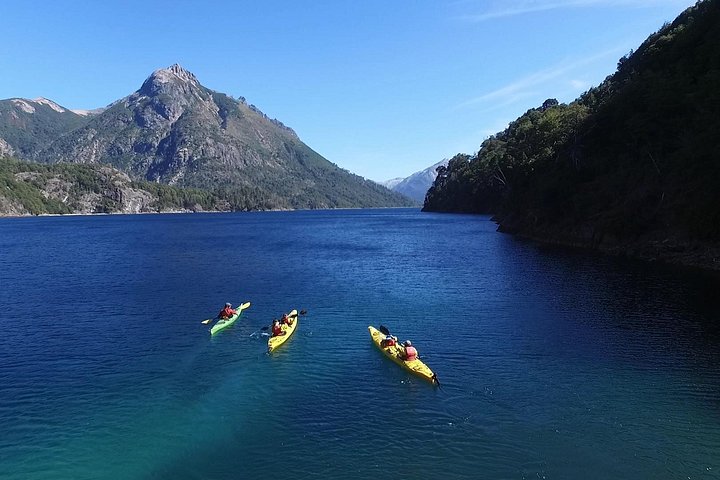
If you want an alternative on the water, consider a kayak trip on Nahuel Huapi, which gives a different view of the same mountains. On longer routes the reward is often the quiet: few other hikers, the sound of wind in the lenga trees and a lake that looks small from the ridge. Tell the guide about any knee, ankle or heart concerns so the route can be chosen sensibly, and carry a small first-aid kit if you are prone to blisters.
What to expect
The experience
A guided day of trekking in the mountains near Bariloche, with the route chosen for conditions and the group's fitness.
Best time
Late spring through autumn, when trails are mostly clear of snow; start early to beat afternoon cloud and wind.
How long
A full day, including transfers from Bariloche and breaks at viewpoints.
Tips
Wear layers and sturdy shoes, carry water and food, and ask about difficulty and what fees are included.
Quick picks
- Best for
- Active travellers who want real mountain scenery with a guide who handles route and logistics.
- Families
- Possible for older children with some hiking experience; ask for an easier route.
- Couples
- Quiet ridge views and a shared sense of achievement make for a memorable day.
- Pair with
- A relaxed evening on Mitre street, or a kayak outing on Nahuel Huapi on another day.
- Time needed
- One full day.
Good questions
How difficult are the hikes?+
It depends on the route and the operator. Options range from moderate forest walks to longer climbs to ridges and refuges, so describe your fitness when you reserve.
When is the best season for hiking?+
Late spring through autumn, when the trails are mostly free of snow. Early spring and winter may mean lower routes or snowshoeing.
What should I bring?+
Layers, a waterproof jacket, a hat, sunscreen, sturdy shoes, water and food. Trekking poles help on steep sections.
Do I need to hire a guide?+
Not for every trail, but a guide removes the logistics, knows the conditions and keeps you safe if the weather turns. Many routes are not clearly signed.
Is the national park old?+
Yes. Nahuel Huapi National Park was created in 1934 and is the oldest national park in Argentina.